Hallacas
Rate this recipeBe the first to rate
 By AprilPublished
 When it comes to traditional Venezuelan cuisine, few dishes are as iconic and beloved as hallacas.
 By AprilPublished
 When it comes to traditional Venezuelan cuisine, few dishes are as iconic and beloved as hallacas.
Heat 1/4 cup of oil in a large pot over medium heat. Add the onions and a pinch of salt. Cook for about 10 minutes until the onions start to become translucent.
Add the diced bell peppers, adobo, and bouillon cubes. If the pot looks dry, add another 1/4 cup of oil. Cook for about 10 minutes until the bell peppers start to break down and the mixture resembles a dark red-orange soup.
Add the leeks, scallions, 3 tablespoons of salt, and garlic. Cook for about 10 minutes until the vegetables break down and the mixture resembles a slaw in barbecue sauce.
Add both wines, mustard, Worcestershire, and dissolved panela. Stir together and bring to a boil. Then lower the heat and simmer. Taste and add more salt if needed.
Add the pork and beef to the vegetables. Stir to combine and bring to a low simmer. Cook covered for about 15 minutes.
Stir to combine everything evenly and redistribute the meat from the bottom to the top. Cover and cook at a low simmer for another 30 minutes. Check the tenderness of the beef and continue cooking if needed.
Transfer the guiso to a bowl to cool faster if cooking in one day. If spreading the process over multiple days, divide the guiso into smaller containers, let cool, cover, and refrigerate
When it comes to traditional Venezuelan cuisine, few dishes are as iconic and beloved as hallacas. These delightful parcels are bursting with flavor, rich in history, and are a staple during the holiday season. But what exactly are hallacas, and why are they so special? Let's dive into the world of hallacas and discover why they are a delicious tradition worth celebrating.
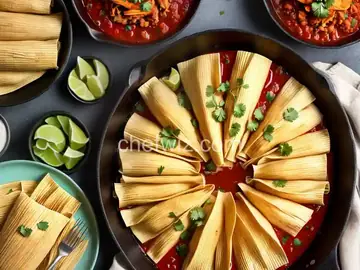
Imagine unwrapping a beautifully presented gift, only to find a tantalizing mixture of corn dough, stewed meat, olives, raisins, and other delectable ingredients. That's hallacas for you! These savory delights are similar to tamales, but with a unique Venezuelan twist.
Traditionally, hallacas are made by spreading a layer of corn dough on a plantain leaf, filling it with a flavorful stew of meats (such as beef, pork, or chicken), and adding a mixture of olives, raisins, and capers. The leaf is then carefully folded, creating a neatly wrapped parcel that is tied with a string before being boiled. The result is a harmonious blend of flavors and textures that is simply irresistible.
Preparing hallacas is no small feat. It requires time, patience, and the dedication of an entire family or community. Making hallacas is a labor of love that often involves multiple generations coming together to carry on this cherished tradition.
From the careful selection and preparation of the ingredients to the meticulous wrapping process, each step in making hallacas is done with care and attention to detail. It's a time-consuming process that can take hours, but the end result is well worth the effort.
Hallacas go beyond being just a delicious dish. They are a symbol of unity and togetherness. In Venezuela, making hallacas is a communal activity where family, friends, and neighbors gather to share in the joy of preparing these culinary delights.
As each person contributes to the process, whether it's chopping vegetables, stirring the stew, or wrapping the hallacas, a sense of camaraderie is fostered. It's a time for storytelling, laughter, and creating lasting memories. The act of making hallacas becomes a celebration of community and shared cultural heritage.
Hallacas are not just enjoyed for their taste; they are also an integral part of Venezuelan holiday traditions. During the Christmas season, families come together to make large batches of hallacas, which are then shared and gifted to loved ones.
These delectable parcels are often served as the centerpiece of festive meals, accompanied by other traditional dishes like pan de jamón (ham bread) and ensalada de gallina (chicken salad). It's a time of indulgence, where the flavors of tradition and the warmth of family fill the air.
Hallacas are more than just a dish; they are an embodiment of Venezuelan culture, tradition, and the spirit of togetherness. The process of making hallacas is a labor of love, symbolizing unity and the importance of shared experiences. These delicious parcels are not only a treat for the taste buds but also a celebration of heritage and the joy of coming together as a community.
Yes, hallacas can be frozen and enjoyed later. Freezing them allows you to savor their flavors even after the holiday season has passed. Simply wrap them tightly in plastic wrap or aluminum foil before placing them in the freezer.
While the traditional recipe for hallacas includes corn dough, some variations may contain wheat flour. If you have a gluten intolerance or allergy, it's best to check the ingredients or make your own gluten-free version.
Absolutely! Hallacas can be customized to suit your taste preferences. You can experiment with different meats, add extra vegetables, or even incorporate unique ingredients to create your own twist on this traditional dish.
Yes, there are vegetarian and vegan versions of hallacas available. Instead of meat, these versions use plant-based alternatives like tofu, seitan, or a medley of vegetables to create a delicious filling.
If you're unable to make hallacas yourself, you may be able to find them at Venezuelan restaurants or specialty food stores. However, making them from scratch is a wonderful way to experience the true essence of this traditional dish.
Hallacas are not typically spicy, but the level of heat can be adjusted according to personal preference. If you enjoy a kick of spice, you can add some chili peppers or hot sauce to the filling.
Hallacas are usually served as a main course due to their hearty nature. However, you can make smaller-sized hallacas and serve them as appetizers or finger food during gatherings or parties.
Hallacas are most commonly associated with the Christmas season in Venezuela. However, they can also be enjoyed throughout the year, especially during special occasions and gatherings.
AprilCook, recipe developer and the heart of Chefwiz. More about April