Guyanese Pepperpot
Rate this recipeBe the first to rate
 By AprilPublished
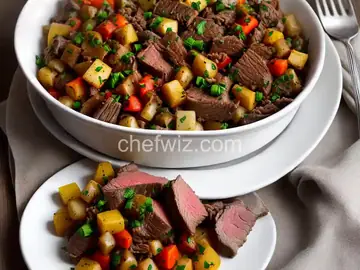
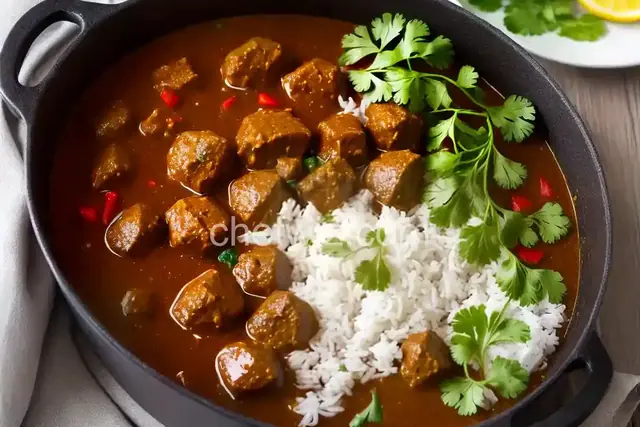
 When it comes to iconic dishes, Guyana's Pepperpot takes center stage.
 By AprilPublished
 When it comes to iconic dishes, Guyana's Pepperpot takes center stage.
Season the cow foot with salt and 1/2 teaspoon of chicken bouillon.
In a stovetop pressure cooker or electric multicooker, combine the cow foot with 1/2 cup of cassareep, 7 sprigs of thyme, 8 whole cloves, 1 cinnamon stick, and 4 cups of water.
Bring the mixture to high pressure and cook for 60 minutes.
Depressurize the cooker using the rapid release valve, then transfer the cow foot and cooking juices into a large pot or Dutch oven and set aside.
Season the oxtail with salt and 1/2 teaspoon of chicken bouillon.
Using the same pressure cooker, combine the oxtails with 1/2 cup of cassareep, 7 sprigs of thyme, 8 whole cloves, 1 cinnamon stick, and 2 cups of water.
Bring the mixture to high pressure and cook for 30 minutes.
Depressurize the cooker using the rapid release valve, then transfer the cooked oxtails and their cooking liquid into the pot with the cow foot.
Season the beef chuck with salt and 1/2 teaspoon of chicken bouillon.
Using the same pressure cooker, combine the beef chuck with 1/2 cup of cassareep, 7 sprigs of thyme, 8 whole cloves, 1 cinnamon stick,
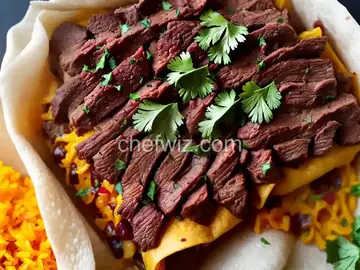
When it comes to iconic dishes, Guyana's Pepperpot takes center stage. This rich and aromatic stew is a culinary masterpiece that reflects the country's diverse cultural heritage and tantalizes the taste buds with its unique blend of flavors. Join me on a flavorful journey as we explore the history, ingredients, and preparation of this beloved Guyanese dish.
Like many traditional dishes, Guyanese Pepperpot has a fascinating history that intertwines with the country's past. It is believed to have originated from the Indigenous people of Guyana, who used cassareep, a thick sauce made from cassava, to preserve meat. Over time, this technique was adopted by the African slaves who were brought to Guyana, resulting in the birth of Pepperpot as we know it today.
What sets Guyanese Pepperpot apart from other stews is its rich and complex flavor profile. The dish is traditionally made with a combination of meats, such as beef, pork, and sometimes even game meats like wild boar or venison. The meats are slow-cooked in a pot with cassareep, which imparts a deep, smoky flavor. A medley of aromatics, including onions, garlic, cinnamon, and cloves, are added to enhance the taste and fragrance of the stew.
One of the secrets to achieving the perfect Guyanese Pepperpot lies in the slow cooking process. The meats are simmered for hours, allowing the flavors to meld together and the cassareep to tenderize the meat. This slow cooking method also results in a thick and luscious gravy that coats each piece of meat, creating a mouthwatering sensation with every bite.
Preparing Guyanese Pepperpot is a labor of love that requires patience and attention to detail. The process starts with marinating the meats in a mixture of aromatics and cassareep to infuse them with flavor. Once marinated, the meats are browned in a hot pot to seal in the juices before being simmered on low heat for several hours. The slow cooking process allows the flavors to develop and the meats to become tender and succulent.
Guyanese Pepperpot is traditionally served with a side of fluffy white rice or roti, a type of Indian flatbread. The combination of the rich and savory stew with the mild sweetness of the rice or the softness of the roti creates a harmonious balance of flavors and textures. The meal is often enjoyed with a refreshing glass of mauby, a traditional Guyanese drink made from the bark of the mauby tree.
Food has a way of bringing people together, and Guyanese Pepperpot is no exception. In Guyana, this dish is often prepared during special occasions and festive gatherings, where friends and family come together to share a hearty meal and create lasting memories. The aroma of the stew wafting through the air, the laughter of loved ones, and the warmth of the shared experience make Guyanese Pepperpot more than just a dish—it becomes a symbol of unity and love.
Guyanese Pepperpot is more than just a dish; it is a representation of Guyana's rich culinary heritage and the warmth of its people. This flavorful stew brings together diverse ingredients and cooking techniques to create a symphony of taste that is both comforting and satisfying. Whether enjoyed during special occasions or shared among loved ones, Guyanese Pepperpot is a true celebration of community and the joy of good food.
Yes, you can certainly use chicken as a substitute for beef and pork in Guyanese Pepperpot. The flavors may vary slightly, but it will still be delicious.
Cassareep can be found in specialty Caribbean or international grocery stores. Alternatively, you can make your own cassareep by boiling grated cassava and reducing the liquid until it thickens.
While Guyanese Pepperpot does have a depth of flavor, it is not typically spicy. However, you can add hot peppers or chili flakes if you prefer a spicier version.
Absolutely! Guyanese Pepperpot can be made in a slow cooker for convenience. Simply follow the recipe and cook on low heat for 6-8 hours or until the meat is tender.
Yes, Guyanese Pepperpot freezes well. Allow it to cool completely before portioning it into freezer-safe containers. It can be stored in the freezer for up to three months.
Definitely! Cooking is all about personal preference. Feel free to adjust the spices in Guyanese Pepperpot to suit your taste buds. Just remember to taste as you go.
Guyanese Pepperpot pairs well with a variety of side dishes, such as plantains, dhal, or pickled vegetables. These additions complement the flavors of the stew and add texture to the meal.
Yes, you can make a vegetarian version of Guyanese Pepperpot by substituting the meats with vegetables like eggplant, mushrooms, or tofu. The cassareep and spices will still infuse the dish with incredible flavor.
AprilCook, recipe developer and the heart of Chefwiz. More about April