Jjajangmyeon (Korean Black Bean Noodles) Recipe
Rate this recipeBe the first to rate
 By AprilPublished
 Are you craving a delicious and flavorful dish that will transport you straight to the streets of Seoul?
 By AprilPublished
 Are you craving a delicious and flavorful dish that will transport you straight to the streets of Seoul?
Heat oil in a wok until it reaches 350°F (180°C) on a thermometer. Place the wok's spatula in the oil to heat it as well, which will prevent the black bean sauce from sticking.
Fry the black bean sauce in the heated oil, stirring constantly, until it begins to look slightly curdled. Transfer the sauce and oil to a heatproof container. It's better to fry less if unsure, as over-fried sauce will clump up.
In a small saucepan of simmering water, poach the shrimp until just pink on the outside and slightly undercooked in the center (about 30 seconds). Drain, then peel and dice the shrimp into 1/4-inch pieces.
In a clean wok, heat about 3 tablespoons (45ml) of vegetable oil over high heat until smoking. (You can use some of the oil from frying the beans if you prefer.) Add pork belly and spread it evenly in the wok. Allow it to sear for 30 seconds, then stir and toss constantly until browned all over (about 30 seconds longer).
Add scallion, ginger, and about 3 tablespoons of diced onion. Cook and stir until fragrant (about 20 seconds). Pour soy sauce down the side of the wok to make it sizzle. Cook and stir for an additional 10 seconds.
Add potato and squid. Stir and
Are you craving a delicious and flavorful dish that will transport you straight to the streets of Seoul? Look no further than Jjajangmyeon, a popular Korean dish that is loved by locals and foreigners alike. In this article, we will explore the origins of Jjajangmyeon, the key ingredients that make it so special, and how you can make it at home to satisfy your cravings. So, put on your apron and get ready to embark on a culinary adventure!
Jjajangmyeon traces its roots back to China, specifically the Shandong region. It was introduced to Korea during the early 20th century and quickly became a staple in Korean cuisine. Over the years, Koreans have put their own spin on the dish, creating a unique and flavorful version that is loved by all.
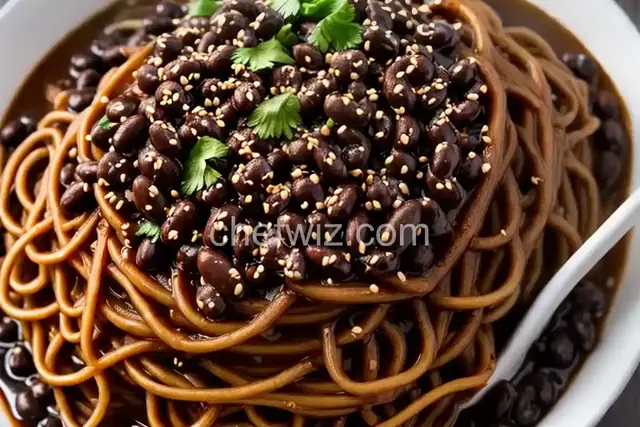
At the heart of Jjajangmyeon is the black bean sauce, which gives the dish its distinct flavor and rich color. The sauce is made by stir-frying diced pork, onions, and black bean paste until fragrant and caramelized. Other key ingredients include vegetables such as zucchini, potatoes, and carrots, which add a delightful crunch and freshness to the dish. Finally, the noodles used in Jjajangmyeon are thick and chewy, providing the perfect base for the flavorful sauce.
Now that you know the essentials, let's dive into how you can make Jjajangmyeon in the comfort of your own kitchen. Start by preparing the black bean sauce, sautéing the pork, onions, and black bean paste until fragrant. Next, add in the vegetables and stir-fry until they are cooked to your desired level of tenderness.
While the sauce is simmering, cook the noodles according to the package instructions. Once the noodles are cooked, drain them and plate them alongside the black bean sauce. Mix the noodles and sauce together, ensuring that every strand is coated in the rich and savory goodness.
Now, it's time to dig in! Take a bite of the chewy noodles, combined with the flavorful black bean sauce and crunchy vegetables. The combination of textures and flavors is simply divine, and you'll find yourself going back for seconds (and maybe even thirds!). Jjajangmyeon is the perfect comfort food, satisfying both your hunger and your taste buds.
Jjajangmyeon is a beloved dish that has captured the hearts and palates of people all over the world. Its unique flavor profile, thanks to the black bean sauce, combined with the chewy noodles and crunchy vegetables, makes it a truly delightful culinary experience. Whether you're a seasoned cook or a beginner in the kitchen, making Jjajangmyeon at home is a rewarding and enjoyable process. So, don your apron, gather your ingredients, and get ready to create a delicious bowl of Jjajangmyeon that will transport you to the vibrant streets of Seoul.
While traditionally Jjajangmyeon is made with thick and chewy noodles, you can experiment with other types of noodles such as udon or even spaghetti if you prefer.
No, Jjajangmyeon is not typically spicy. However, if you enjoy a bit of heat, you can add some chili flakes or a dash of hot sauce to the dish.
Absolutely! Simply omit the pork and use vegetable broth instead. You can also add tofu or mushrooms for additional protein and flavor.
The cooking time for Jjajangmyeon varies depending on your experience in the kitchen. On average, it takes about 30-45 minutes to prepare and cook the dish.
Yes, you can freeze leftover Jjajangmyeon. Simply place it in an airtight container and store it in the freezer for up to 2 months. When ready to eat, thaw it in the refrigerator overnight and reheat it in a pan or microwave.
Popular side dishes to serve with Jjajangmyeon include kimchi, pickled radish, and cucumber salad. These refreshing and tangy side dishes complement the rich flavors of the main dish.
While it's best to enjoy Jjajangmyeon fresh, you can make a larger batch and store it in the refrigerator for up to 3 days. Reheat it in a pan or microwave before serving.
Absolutely! Feel free to add or substitute vegetables according to your preferences. You can also adjust the seasoning and spice level to suit your taste.
AprilCook, recipe developer and the heart of Chefwiz. More about April