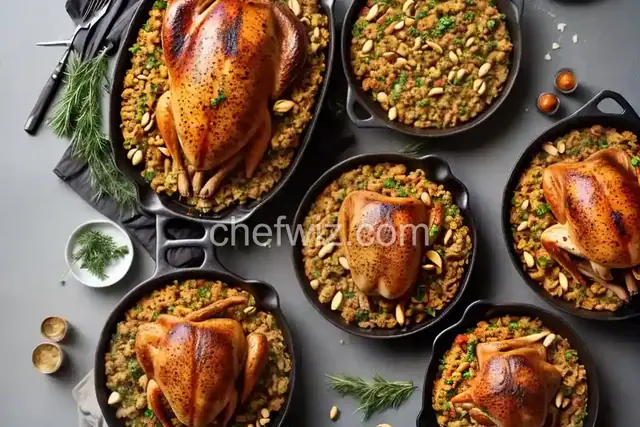
Are you ready to embark on a culinary journey to Greece? Get ready to tantalize your taste buds with the flavors of traditional Greek cuisine. One dish that stands out is the Greek Traditional Turkey with Chestnut and Pine Nut Stuffing. This mouthwatering dish combines succulent turkey with a delectable stuffing that is sure to impress your family and friends. So, let's dive into the world of Greek gastronomy and discover the secrets of this delightful dish.
The Art of Greek Cooking
Greek cuisine is known for its rich flavors and use of fresh ingredients. It is a harmonious blend of Mediterranean influences, characterized by the use of olive oil, herbs, and spices. The Greeks truly appreciate the simplicity and natural flavors of their food. Every dish is prepared with love and care, keeping the traditions alive for generations.
Turkey: A Symbol of Celebration
In Greek culture, turkey is a symbol of celebration and is often served during festive occasions. It represents abundance, prosperity, and togetherness. The Greeks believe that sharing a meal with loved ones brings people closer and strengthens the bonds of friendship and family ties.
The stuffing in this traditional Greek turkey recipe is the star of the show. It is a delicate balance of flavors and textures that elevate the dish to new heights. The combination of chestnuts and pine nuts adds a unique nutty taste and a delightful crunch. The stuffing is expertly seasoned with aromatic herbs and spices, enhancing the overall flavor profile of the dish.
Preparing the Greek Traditional Turkey
Now that we've set the stage, let's dive into the preparation process. The first step is to ensure you have a high-quality turkey. Look for a fresh, organic bird that is free-range and has been ethically raised. This will guarantee a tender, juicy result.
1Step 1Cleaning and Preparing the Turkey
Before you start, make sure to clean the turkey thoroughly. Remove any giblets or excess fat from the cavity. Rinse the turkey with cold water and pat it dry with paper towels. This will ensure that your turkey is clean and ready for the next steps.
Step 2: Preparing the Stuffing
Now it's time to prepare the stuffing. In a large bowl, combine the chestnuts, pine nuts, herbs, and spices. Mix everything together until well combined. This aromatic mixture will infuse the turkey with incredible flavors.
3Step 3Stuffing the Turkey
Gently stuff the cavity of the turkey with the prepared stuffing. Be careful not to overstuff, as this can affect the cooking time and result in unevenly cooked meat. Secure the opening with kitchen twine or skewers to prevent the stuffing from falling out during cooking.
Cooking the Greek Traditional Turkey
Now that your turkey is ready, it's time to cook it to perfection. Preheat your oven to the recommended temperature. Place the turkey on a roasting rack in a large roasting pan. This will allow the heat to circulate evenly around the bird, ensuring a crispy skin and moist meat.
1Step 1Roasting the Turkey
Cook the turkey according to the recommended cooking time. Baste the turkey with its own juices and melted butter every 30 minutes to keep it moist and flavorful. The delicious aroma will fill your kitchen, creating a warm and inviting atmosphere.
Step 2: Checking for Doneness
Use a meat thermometer to check for doneness. The internal temperature should reach 165°F (74°C) in the thickest part of the thigh. This will ensure that your turkey is cooked through and safe to eat.
Time to Serve and Enjoy!
Once your turkey is perfectly cooked, remove it from the oven and let it rest for a few minutes. This will allow the juices to redistribute, resulting in tender and juicy meat. Carve the turkey and serve it with your favorite side dishes, such as roasted potatoes, Greek salad, or tzatziki sauce.
In Conclusion
The Greek Traditional Turkey with Chestnut and Pine Nut Stuffing is a culinary masterpiece that showcases the rich flavors and traditions of Greek cuisine. It is a dish that brings people together, creating lasting memories and moments of joy. So, gather your loved ones, embrace the Greek spirit, and savor every bite of this delicious turkey feast.
Frequently asked questions
- Q1: Can I use a frozen turkey for this recipe?
A1: Yes, you can use a frozen turkey, but make sure to thaw it completely before cooking to ensure even cooking.
- Q2: Can I substitute the chestnuts with another type of nut?
A2: While chestnuts are traditional, you can experiment with other nuts like walnuts or almonds for a different flavor profile.
- Q3: How long should I let the turkey rest before carving?
A3: It is recommended to let the turkey rest for about 20 minutes before carving to allow the juices to redistribute.
- Q4: Can I use the leftover turkey for sandwiches?
A4: Absolutely! Leftover turkey can be used to make delicious sandwiches or added to salads for a quick and tasty meal.
- Q5: What other Greek dishes can I serve alongside the turkey?
A5: Greek cuisine offers a wide range of delicious side dishes, such as spanakopita, moussaka, or baklava, to complement your turkey feast.
- Q6: Can I brine the turkey before cooking?
A6: Yes, brining the turkey can help to enhance its flavor and keep it moist during cooking. Just make sure to adjust the seasoning accordingly.
- Q7: Can I stuff the turkey a day in advance?
A7: It is not recommended to stuff the turkey in advance as it can increase the risk of bacterial growth. It is best to prepare and stuff the turkey just before cooking.
 By AprilPublished