Grecian Baklava
Rate this recipeBe the first to rate
 By AprilPublished
 Have you ever tasted a dessert that instantly transports you to a different place and time?
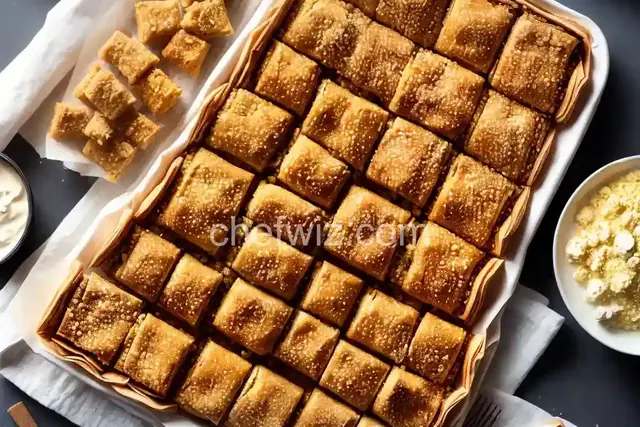 By AprilPublished
 Have you ever tasted a dessert that instantly transports you to a different place and time?
Prepare the syrup by combining water, 3/4 cup sugar, orange juice, honey, and 1 tablespoon cinnamon in a saucepan. Bring the mixture to a boil over medium-high heat.
Reduce the heat to medium-low and let it simmer for 10 minutes.
Remove the saucepan from the heat and let the syrup cool down to room temperature.
Preheat the oven to 325 degrees F (165 degrees C) and grease a 10x15 inch baking dish with butter.
In a separate bowl, mix together 3/4 cup sugar, 1/2 teaspoon cinnamon, nutmeg, and ground walnuts until well combined. Set this mixture aside.
Place 2 sheets of phyllo dough onto the greased baking dish and brush them with melted butter.
Layer more sheets of phyllo dough onto the dish, brushing each pair with butter until you have a total of 12 sheets.
Sprinkle 1/3 of the walnut mixture evenly over the phyllo dough.
Add another 6 sheets of phyllo dough, brushing each pair with butter.
Sprinkle 1/2 of the remaining walnut mixture evenly over the phyllo dough.
Layer another 6 sheets of buttered phyllo dough on top.
Sprinkle the remaining walnut mixture onto the phyllo dough.
Place the remaining sheets of ph
Have you ever tasted a dessert that instantly transports you to a different place and time? Grecian Baklava does just that. With its delicate layers of phyllo pastry, crunchy nuts, and sweet honey syrup, this traditional Greek dessert is a true masterpiece of flavors and textures. Join me on a journey to discover the enchanting world of Grecian Baklava, where each bite tells a story of Greek heritage and culinary excellence.
Like many ancient recipes, the true origins of Grecian Baklava are shrouded in mystery. Some believe it was created in the kitchens of the Ottoman Empire, while others trace its roots back to ancient Persia. Regardless of its exact origins, one thing is certain: Grecian Baklava has become an integral part of Greek cuisine and a symbol of Greek culture.
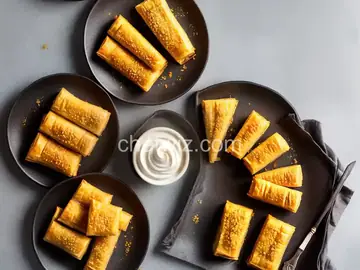
One of the most distinctive features of Grecian Baklava is its intricate layers of phyllo pastry. Imagine the delicate process of layering one thin sheet of phyllo on top of another, brushing each layer with melted butter to create a crisp and golden crust. The result is a dessert that is both visually stunning and incredibly delicious.
As you take a bite of Grecian Baklava, you'll be greeted by a symphony of flavors. The nutty crunch of walnuts, pistachios, or almonds provides a perfect contrast to the tender layers of phyllo pastry. And let's not forget about the sweet honey syrup that bathes each piece, adding a touch of decadence to every bite.
Grecian Baklava is all about balance. The delicate sweetness of the honey syrup is balanced by the richness of the nuts and the crispness of the phyllo pastry. It's a harmonious combination that keeps you coming back for more.
Grecian Baklava is not just a dessert; it's a cultural symbol. In Greece, it is often served on special occasions and celebrations, such as weddings and religious festivals. It's a way to honor tradition and bring people together, just like the layers of phyllo pastry that bind this dessert together.
Ready to embark on a culinary adventure? Grecian Baklava is the perfect starting point. Whether you enjoy it at a Greek restaurant or try your hand at making it yourself, each bite will transport you to the sun-drenched shores of Greece, where time stands still and flavors come alive.
Grecian Baklava typically consists of phyllo pastry, nuts (such as walnuts, pistachios, or almonds), butter, sugar, and a honey syrup.
While the process of making Grecian Baklava may seem daunting at first, with a bit of practice and patience, anyone can master it. The key is to take your time when layering the phyllo pastry and to brush each layer with melted butter.
Absolutely! Feel free to experiment with different types of nuts to suit your taste. Some popular alternatives include pistachios, almonds, and even hazelnuts.
To keep Grecian Baklava fresh, store it in an airtight container at room temperature. It can last for several days, allowing you to savor its flavors over time.
Yes, Grecian Baklava can be frozen. Simply wrap it tightly in plastic wrap and place it in the freezer. When you're ready to enjoy it, thaw it at room temperature for a few hours before serving.
While butter is traditionally used to brush the layers of phyllo pastry, you can substitute it with melted margarine or olive oil for a dairy-free or vegan version of Grecian Baklava.
No, Grecian Baklava is not gluten-free. The phyllo pastry used in this dessert contains wheat flour. However, there are gluten-free alternatives available in the market that you can use to make a gluten-free version of Grecian Baklava.
Absolutely! The combination of warm Grecian Baklava and a scoop of creamy vanilla ice cream is a match made in heaven. The cold and creamy ice cream complements the warm and sweet flavors of the baklava beautifully.
In conclusion, Grecian Baklava is more than just a dessert. It's a journey to the heart of Greece, where flavors and traditions intertwine. So, why not indulge in a slice of this sweet delight and let it transport you to the sun-kissed shores of the Mediterranean?
AprilCook, recipe developer and the heart of Chefwiz. More about April