Baklava I
Rate this recipeBe the first to rate
 By AprilPublished
 Have you ever tasted a dessert that feels like a burst of joy in your mouth?
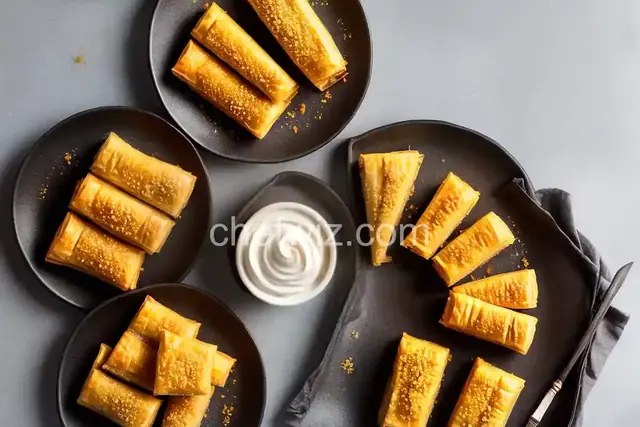 By AprilPublished
 Have you ever tasted a dessert that feels like a burst of joy in your mouth?
Preheat the oven to 350 degrees F (175 degrees C).
Grease a 9x13-inch baking pan.
Cut the phyllo dough to fit the size of the pan.
Place half of the sheets in the bottom of the pan.
Grind the walnuts with 1/2 cup sugar and cinnamon using a food processor or blender.
Spread the ground walnut mixture evenly over the phyllo in the pan.
Place the remaining phyllo sheets on top of the walnut mixture.
Melt the margarine with oil in a small saucepan over low heat or in the microwave.
Brush the melted margarine and oil mixture over the top layer of phyllo.
Use a sharp knife to cut the top layers of phyllo into diamond shapes.
Bake the baklava on the center rack of the preheated oven until golden brown, around 30 minutes.
While the baklava is baking, make the syrup by combining 3 1/2 cups sugar, water, and lemon juice in a large saucepan over medium-high heat.
Bring the syrup mixture to a boil, then remove from heat and let it cool slightly.
Remove the baklava from the oven and pour the syrup over the hot pastry.
Allow the baklava to cool completely before serving.
Have you ever tasted a dessert that feels like a burst of joy in your mouth? Baklava is one such treat that tantalizes your taste buds with its delicate layers of phyllo pastry, sweet honey, and crunchy nuts. This Middle Eastern delicacy has gained popularity around the world for its unique combination of flavors and textures.
Like most culinary delights, Baklava has a fascinating history. Its origin can be traced back to the mighty Ottoman Empire, where it was considered a symbol of wealth and indulgence. Over time, the recipe traveled across borders, adapting to local flavors and techniques. Today, you can find various versions of Baklava in different parts of the world.
Creating the perfect Baklava requires skill and precision. The process starts with layering thin sheets of phyllo pastry, which are brushed generously with melted butter. Each layer adds a delicate crispness to the final product. Between the layers, a mixture of finely chopped nuts, such as almonds, walnuts, or pistachios, is sprinkled generously. The final touch is a drizzle of sweet honey, infusing the dessert with its signature flavor.
When you take a bite of Baklava, the flavors dance on your tongue. The crispness of the pastry blends harmoniously with the sweetness of the honey, while the nuts add a satisfying crunch. It's a symphony of textures and tastes that leave you craving for more.
Baklava is not just a dessert; it's a celebration. It is often served on special occasions and festivals, symbolizing happiness and prosperity. Its intricate layers and rich flavors make it a centerpiece of festive feasts, bringing people together in joyous moments.
Baklava is more than just a dessert. It's a testament to the rich culinary heritage and the joy of indulging in a delightful treat. With its layers of flaky pastry, sweet honey, and crunchy nuts, Baklava offers a symphony of flavors that leave a lasting impression. Whether you enjoy it on special occasions or as a sweet everyday indulgence, Baklava is sure to transport you to a world of pure delight.
While making Baklava requires some patience and attention to detail, it is not overly complicated. With the right recipe and technique, you can create a delicious batch of Baklava in your own kitchen.
Yes, you can experiment with different nuts or even use a combination of nuts to suit your taste. However, traditional Baklava is typically made with almonds, walnuts, or pistachios.
Traditional Baklava is made with butter and honey, which are not vegan. However, you can adapt the recipe by using plant-based alternatives such as vegan butter and agave syrup.
Baklava is best stored in an airtight container at room temperature. It can stay fresh for up to a week. However, it is unlikely to last that long once you discover its irresistible taste!
Yes, Baklava can be frozen for future enjoyment. Place the individual pieces in a freezer-safe container or wrap them tightly in plastic wrap and aluminum foil.
While traditional Baklava is made with nuts and honey, you can experiment with other flavors. Some variations include adding spices like cinnamon or cardamom, or even incorporating dried fruits.
Absolutely! Mini Baklava bites are a delightful twist on the classic dessert. Simply cut the phyllo pastry into smaller squares or roll them into bite-sized cylinders for a cute and irresistible treat.
Baklava is traditionally served at room temperature. However, some people prefer to enjoy it slightly warmed, which enhances the aromas and flavors.
AprilCook, recipe developer and the heart of Chefwiz. More about April