Gluten-Free Pita Flatbread
Rate this recipeBe the first to rate
 By AprilPublished
 Are you tired of missing out on delicious pita bread because of your gluten intolerance?
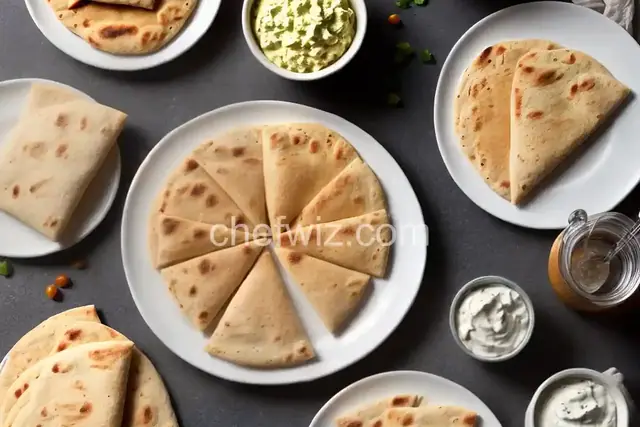 By AprilPublished
 Are you tired of missing out on delicious pita bread because of your gluten intolerance?
Preheat the oven to 100 degrees F (38 degrees C).
Mix yeast and honey with 1/2 cup lukewarm water. Set aside for 5 to 10 minutes to proof.
In a stand mixer fitted with a dough hook, combine both gluten-free flours. Turn the mixer to low and add oil and salt while mixing.
Slowly pour in the yeast mixture while allowing it to mix. Gradually add the remaining lukewarm water until the flour comes together. Adjust the amount of water as needed to create a soft dough.
Once a ball forms, knead the dough on low speed for exactly 1 minute. The dough will be sticky but manageable.
Use your hands to shape the dough into a ball and place it back into the mixing bowl. Cover the bowl with a warm, damp towel.
Turn off the oven and place the covered bowl inside. Allow the dough to rise until it almost doubles in size, approximately 45 minutes.
Use a kitchen scale to divide the dough into 6 equal balls. Cover the balls with the damp towel and return them to the turned-off oven for another 15 minutes of rising.
Roll out one dough ball between 2 sheets of parchment paper to form a 6-inch round pita. Avoid using flour to prevent drying or burning.
Peel the parchment paper away from the dough, not the dough away from the parchment paper
Are you tired of missing out on delicious pita bread because of your gluten intolerance? Well, fret no more! In this article, we will explore the world of gluten-free pita flatbread and how you can enjoy this delightful treat without any worries. Whether you have celiac disease or simply choose to follow a gluten-free diet, this article is for you.
Before we dive into the world of gluten-free pita flatbread, let's quickly understand why some people choose to go gluten-free. Gluten is a protein found in wheat, barley, and rye. For individuals with celiac disease, consuming gluten can cause damage to the small intestine, leading to various health issues. Additionally, some people may have non-celiac gluten sensitivity, which means they experience symptoms similar to celiac disease without the intestinal damage. Going gluten-free can alleviate these symptoms and promote overall well-being.
Now that we understand the importance of going gluten-free, let's embark on the quest for the perfect gluten-free pita flatbread. Just like finding a needle in a haystack, finding a gluten-free alternative to traditional pita bread can be quite challenging. But fear not! With the growing demand for gluten-free products, there are now numerous options available in the market.
One popular gluten-free option is rice flour pita flatbread. Rice flour is made from finely milled rice and provides a great gluten-free substitute for traditional wheat flour. It has a mild flavor and a light, fluffy texture that is perfect for pita bread. You can find ready-made rice flour pita flatbread in stores or even try making your own at home.
Another fantastic gluten-free alternative is chickpea flour pita flatbread. Chickpea flour, also known as gram flour, is made from ground chickpeas and offers a nutty flavor and a dense texture. This type of flatbread is not only gluten-free but also high in protein and fiber, making it a nutritious choice for your pita bread needs.
For those looking for a low-carb option, cauliflower pita flatbread is an excellent choice. This unique alternative replaces traditional flour with finely grated cauliflower, resulting in a light and crispy flatbread. It's not only gluten-free but also packed with vitamins and minerals, making it a guilt-free indulgence.
Now that you're familiar with some gluten-free pita flatbread options, let's explore how you can make your own at home. Making gluten-free pita bread from scratch can be a rewarding experience, allowing you to customize the flavors and ingredients to suit your preference.
The first step in making gluten-free pita flatbread is gathering your ingredients. Depending on the recipe you choose, you may need gluten-free flour (such as rice flour, chickpea flour, or cauliflower), yeast, water, salt, and any additional flavorings or seasonings you desire.
Once you have your ingredients ready, it's time to mix and knead the dough. Follow the recipe instructions carefully, ensuring all the ingredients are well combined and the dough is smooth and elastic.
After kneading the dough, allow it to rise in a warm place for a specific duration. This step is crucial as it helps the dough develop the desired texture and flavor.
Once the dough has risen, it's time to shape and bake your gluten-free pita flatbread. Roll out the dough into circles and place them on a preheated baking sheet or stone. Bake the flatbread until it puffs up and turns golden brown.
Going gluten-free doesn't mean giving up on your favorite bread, especially when it comes to pita flatbread. With the wide variety of gluten-free options available, you can still enjoy the same delicious flavors and textures. Whether you choose rice flour, chickpea flour, or cauliflower, gluten-free pita flatbread is a tasty and nutritious alternative that will satisfy your cravings.
A1: Absolutely! Gluten-free pita flatbreads can be just as delicious as their traditional counterparts. With the right ingredients and techniques, you won't even notice the difference.
A2: Yes, you can freeze gluten-free pita flatbread. Just make sure to wrap them tightly to prevent freezer burn, and they will stay fresh for several months.
A3: Of course! Gluten-free pita flatbread is versatile and can be used to make delicious sandwiches, wraps, or even as a pizza base.
A4: While there are many gluten-free flours available, rice flour and chickpea flour are popular choices for making gluten-free pita flatbread due to their texture and flavor.
A5: Absolutely! Adding herbs or spices to your gluten-free pita flatbread can enhance the flavor and make it even more delicious. Get creative and experiment with different combinations.
A6: Gluten-free pita flatbread can be a healthier option as it is often made with nutrient-dense flours and is naturally lower in carbohydrates. However, it's essential to choose whole grain gluten-free flours for added nutritional benefits.
AprilCook, recipe developer and the heart of Chefwiz. More about April