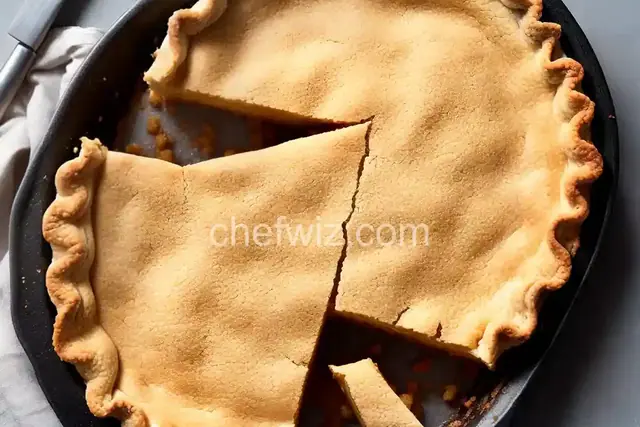
Gluten-Free Pie Crust
Rate this recipeBe the first to rate
 By AprilPublished
 Are you tired of missing out on delicious homemade pies because of a gluten intolerance or allergy?
 By AprilPublished
 Are you tired of missing out on delicious homemade pies because of a gluten intolerance or allergy?
In a food processor, combine 3/4 cup arrowroot starch, white rice flour, brown rice flour, and sugar. Pulse until the ingredients are well blended.
Add the cold butter to the flour mixture in the food processor. Pulse until the mixture resembles the consistency of oatmeal.
Transfer the flour-butter mixture to a bowl and add the eggs and vinegar. Gently knead the mixture until everything is well blended.
Gradually add water, 1 tablespoon at a time, to the dough if it is too dry. Continue adding water until the dough holds together.
Divide the dough into 2 equal-sized balls. Wrap each ball in plastic wrap and refrigerate for about 1 hour, until chilled.
Place a piece of plastic wrap on a work surface and sprinkle it with arrowroot starch.
Take one of the dough balls and place it on the plastic wrap. Use your hands to flatten the dough.
Dust a rolling pin with arrowroot starch and roll it over the dough until it is even in thickness and approximately 9 inches in diameter.
Repeat the rolling process with the second ball of dough.
For more accurate and precise measurements, use the following weights: 100 grams of white rice flour, 100 grams of brown rice flour, 100 grams of arrowroot flour, and 200 grams of cold butter.
Are you tired of missing out on delicious homemade pies because of a gluten intolerance or allergy? Look no further! In this article, we will explore the world of gluten-free pie crusts and discover how you can still enjoy all your favorite pies without compromising your dietary needs.
Gluten, a protein found in wheat, barley, and rye, is the culprit behind the chewy and elastic texture of traditional pie crusts. However, with the rise in popularity of gluten-free diets, there are now numerous alternatives available that can mimic the same texture and taste without the gluten.
One such alternative is almond flour, which not only adds a nutty flavor but also creates a crumbly and delicate crust. Another option is using a combination of gluten-free flours such as rice flour, tapioca flour, and potato starch to achieve a similar texture. The key is to experiment with different combinations until you find the perfect blend for your taste buds.
Creating a gluten-free pie crust can be a bit tricky, but with the right techniques, you can achieve a flaky and delicious crust. Here are some tips to help you along the way:
Gluten-free pie crusts are not limited to sweet pies. They can be used to create a wide range of savory dishes as well. From quiches to pot pies, the options are endless. So, don't hesitate to get creative and explore new flavors with your gluten-free crust.
With the availability of various gluten-free flours and techniques, creating a delicious gluten-free pie crust is no longer a challenge. Whether you're a seasoned baker or a novice in the kitchen, you can now enjoy all your favorite pies without worrying about gluten. So, roll up your sleeves, gather your ingredients, and bake away!
Yes, you can substitute all-purpose flour with almond flour in most pie crust recipes. However, keep in mind that almond flour has a higher fat content, so you may need to adjust the recipe accordingly.
Absolutely! Just like regular pie crusts, gluten-free pie crusts can be frozen for later use. Wrap them tightly in plastic wrap or store them in a freezer bag to maintain their freshness.
To prevent a soggy crust, you can blind bake your gluten-free pie crust before adding the filling. This involves pre-baking the crust for a few minutes to create a barrier between the crust and the filling.
Yes, you can use store-bought gluten-free flour blends as a convenient alternative. However, keep in mind that different blends may produce different results, so it's best to experiment and find one that suits your taste and texture preferences.
To achieve a flakier texture, you can add a small amount of vinegar or lemon juice to your gluten-free pie crust dough. The acid helps to relax the dough and create pockets of air, resulting in a flakier crust.
Absolutely! Gluten-free pie crusts can be used for both single and double-crust pies. Just make sure to follow the recipe instructions and handle the dough with care.
Yes, you can make a gluten-free pie crust without xanthan gum. However, keep in mind that xanthan gum helps to bind the dough together and add elasticity, so the texture may be slightly different without it.
Absolutely! Using a gluten-free pie crust mix can be a convenient option if you're short on time or prefer a foolproof approach. Just follow the instructions on the package for best results.
AprilCook, recipe developer and the heart of Chefwiz. More about April