German Wiener Schnitzel
Rate this recipeBe the first to rate
 By AprilPublished
 Are you a fan of crispy, golden-brown breaded cutlets? Look no further than the German Wiener Schnitzel!
 By AprilPublished
 Are you a fan of crispy, golden-brown breaded cutlets? Look no further than the German Wiener Schnitzel!
Begin by cutting the veal into steaks, ensuring they are approximately the thickness of your finger.
Coat the veal steaks in flour, ensuring they are evenly covered.
In a shallow dish, whisk together the eggs, 1 tablespoon of oil, salt, and pepper.
Dip each flour-coated veal steak into the egg mixture, ensuring it is fully coated.
Next, coat each steak with bread crumbs, ensuring they are evenly covered.
In a heavy skillet, heat 1/4 cup of oil over medium heat.
Carefully place the coated veal steaks into the skillet and fry them until they turn golden brown, approximately 5 minutes on each side.
It is important to note that the nutritional value of the frying oil may vary based on factors such as cook time, temperature, ingredient density, and the specific type of oil used.
Are you a fan of crispy, golden-brown breaded cutlets? Look no further than the German Wiener Schnitzel! This traditional dish has been delighting taste buds for centuries, and it's not hard to see why. It's a timeless classic that combines simplicity, flavor, and texture in one mouthwatering package. So, let's dive in and explore the wonders of this culinary masterpiece!
If you're curious about the history of this dish, you're not alone. The Wiener Schnitzel can be traced back to the 19th century, originating in Vienna, Austria. It quickly gained popularity and spread throughout Central Europe, becoming a staple in German cuisine. Legend has it that the dish was inspired by Italian immigrants who brought a similar recipe to Vienna, which was then adapted and perfected by the locals.
The key to a delicious Wiener Schnitzel lies in the choice of meat. Traditionally, veal is used, as it offers a tender and delicate flavor. However, variations using pork or chicken are also popular and equally mouthwatering. The meat is thinly pounded to ensure quick and even cooking, resulting in a crispy exterior and a juicy interior.
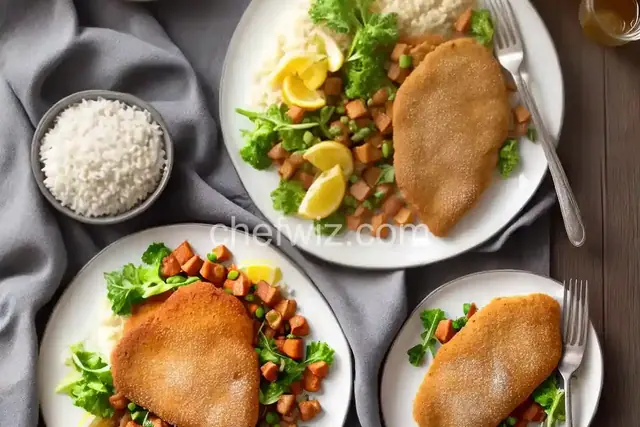
To achieve that irresistible crunch, a perfectly balanced breadcrumb coating is essential. The meat is first dipped in flour, then in a beaten egg mixture, and finally coated with breadcrumbs. This combination creates a protective layer that seals in the juices and prevents the meat from becoming dry. The result? A tantalizingly crispy and golden crust that is sure to make your taste buds dance with joy!
After the cutlets are breaded, they are gently fried in hot oil or clarified butter. This method ensures that the meat cooks quickly while maintaining its succulence. The Wiener Schnitzel is typically cooked until it reaches a beautiful golden color and is served immediately to preserve its crispy texture. It's a feast for both the eyes and the palate!
Wiener Schnitzel is often served with classic side dishes that complement its flavors. A squeeze of fresh lemon juice over the cutlet adds a tangy brightness, while a side of potato salad or warm buttered noodles provides a satisfying contrast. And let's not forget the traditional garnish of lingonberry jam, which adds a touch of sweetness to balance the savory flavors.
When it comes to savoring the Wiener Schnitzel, it's not just about the taste—it's about the experience. Imagine cutting into that crispy exterior, revealing the succulent meat inside. The first bite is an explosion of flavors and textures that transports you to a world of culinary delight. It's a dish that evokes memories of cozy family gatherings or leisurely meals in charming European cafes.
No, traditional Wiener Schnitzel is made with breadcrumbs, which contain gluten. However, you can explore gluten-free alternatives using gluten-free breadcrumbs or other coatings.
Absolutely! While veal is the traditional choice, you can use pork or chicken for a different flavor experience. Just remember to adjust the cooking time accordingly.
While pan-frying is the traditional method, you can certainly bake the breaded cutlets for a healthier alternative. However, keep in mind that the texture may differ slightly from the classic version.
If you're looking for a vegetarian twist, you can try using tofu or seitan as a substitute for the meat. The breading and frying process will remain the same, resulting in a crispy and flavorful dish.
While it's best to enjoy Wiener Schnitzel fresh, you can freeze the breaded cutlets before frying them. This allows for easy meal preparation, as you can simply thaw and cook them whenever you're in the mood for a delicious treat.
Alongside the classic potato salad and buttered noodles, Wiener Schnitzel pairs well with a variety of sides. Some popular options include roasted vegetables, creamy mashed potatoes, or a fresh green salad.
To maintain its crispy texture, it's best to reheat Wiener Schnitzel in the oven rather than the microwave. Preheat the oven to a low temperature, place the cutlets on a baking sheet, and warm them for a short time until heated through.
If you have any leftovers (which is rare!), store them in an airtight container in the refrigerator. Consume within a day or two for the best flavor and quality.
In conclusion, the German Wiener Schnitzel is a culinary masterpiece that continues to captivate food enthusiasts worldwide. Its simplicity, crispy texture, and delightful flavors make it a timeless favorite. Whether you're savoring it at a traditional German restaurant or trying your hand at making it at home, this dish is sure to leave you craving for more. So, why not embark on a gastronomic adventure and indulge in the magic of Wiener Schnitzel today?
AprilCook, recipe developer and the heart of Chefwiz. More about April