German Buttercream (Whipped Vanilla Custard Frosting) Recipe
Rate this recipeBe the first to rate
 By AprilPublished
 Are you tired of the same old buttercream frostings that lack the flavor and creaminess you desire?
 By AprilPublished
 Are you tired of the same old buttercream frostings that lack the flavor and creaminess you desire?
In a 3-quart stainless steel saucier, combine milk and split vanilla bean (or other flavorings) over medium heat.
When milk is steaming hot, remove from heat, cover, and steep for at least 1 hour.
Proceed as directed below, or refrigerate for up to 24 hours to extract a deeper flavor before proceeding.
Whisk sugar and cornstarch together in a medium bowl, followed by eggs.
Return milk to a simmer and discard vanilla bean after scraping out the flavorful seeds and pulp inside (or remove other flavoring elements, and scrape them as best you can, if possible).
Ladle 1/2 cup hot milk into the eggs and whisk to combine. Repeat with two more 1/2-cup additions, then pour the warmed eggs into the pot.
Cook over medium heat, whisking constantly, until custard turns thick and lumpy, about 3 minutes.
As soon as custard begins to bubble, set a timer and continue cooking and whisking for exactly 2 minutes longer.
Off heat, stir in vanilla extract, then pour custard into a large baking dish to speed the cooling process.
Press a sheet of plastic against the surface and refrigerate until thick and cool, about 1 hour, or to roughly 68째F (20째C).
Alternatively, refrigerate up to 1 week, then
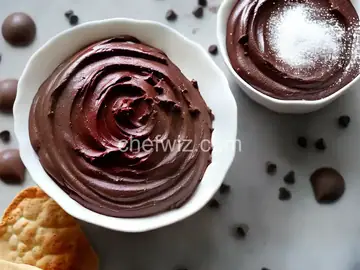
Are you tired of the same old buttercream frostings that lack the flavor and creaminess you desire? Look no further! German Buttercream, also known as whipped vanilla custard frosting, is here to revolutionize your baking experience. This delightful frosting is rich, velvety, and bursting with the goodness of vanilla. Let's dive into the world of German Buttercream and discover why it's the perfect topping for your cakes and pastries.
German Buttercream is a luscious combination of butter, egg yolks, sugar, and vanilla, blended together to create a smooth and creamy texture that will melt in your mouth. Unlike traditional American buttercream, which is made with powdered sugar, German Buttercream offers a more sophisticated and nuanced flavor profile.
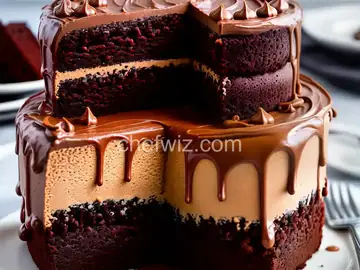
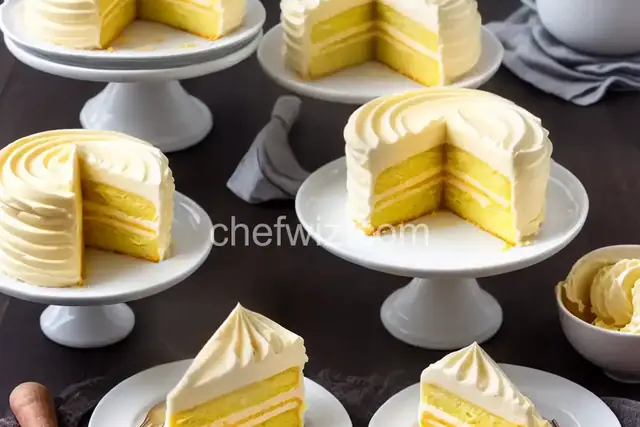
Picture this: a slice of moist cake with a generous layer of German Buttercream, each bite taking you on a journey through a cloud of creamy goodness. The silky smoothness of the frosting paired with the subtle sweetness of the vanilla creates a harmonious balance that will leave your taste buds dancing with delight.
German Buttercream is not your average frosting. It stands out for several reasons:
With German Buttercream, you can truly elevate your desserts to the next level, turning them into works of art that will impress your friends, family, and anyone lucky enough to taste your creations.
Creating German Buttercream requires a bit of time and effort, but the results are well worth it. It involves making a custard base by whisking together egg yolks, sugar, and milk over gentle heat until thickened. Once the custard has cooled, it is blended with butter and vanilla, resulting in a velvety smooth frosting that's perfect for spreading and piping.
Just like any masterpiece, German Buttercream takes patience, precision, and a tender touch. But fear not! With a little practice and a lot of love, you'll master the art of creating this delectable frosting.
German Buttercream is the epitome of frosting perfection. Its rich flavor, velvety texture, and versatility make it a dream frosting for any baker. Whether you're decorating a cake, filling macarons, or simply enjoying a spoonful straight from the bowl, German Buttercream will elevate your desserts to new heights.
So, take a leap into the world of German Buttercream and let your taste buds indulge in the wonders of this whipped vanilla custard frosting. Your desserts will thank you, and your friends and family will be begging for more!
Absolutely! German Buttercream is an excellent choice for piping intricate designs. Its light and creamy texture make it ideal for creating delicate details on cakes and pastries.
Yes, you can make German Buttercream in advance. Simply store it in an airtight container in the refrigerator for up to a week. When you're ready to use it, let it come to room temperature and give it a good whisk to restore its creamy consistency.
While German Buttercream can be frozen, it's important to note that the texture may slightly change upon thawing. To freeze, place the buttercream in a freezer-safe container and store for up to three months. Thaw it overnight in the refrigerator and give it a gentle stir to restore its smoothness.
Although butter is the traditional choice for German Buttercream, you can substitute margarine if needed. However, keep in mind that the flavor and texture may be slightly different compared to using butter.
German Buttercream contains egg yolks, which may pose a risk for individuals with egg allergies. If you or your loved ones have egg allergies, it's best to choose an alternative frosting option.
Absolutely! German Buttercream can be easily colored using gel food coloring. Add a small amount at a time until you achieve your desired hue. Remember, a little goes a long way!
Yes, German Buttercream makes a divine filling for macarons. Its smooth and creamy texture complements the delicate shells, creating a heavenly bite-sized treat.
Definitely! German Buttercream is a blank canvas waiting to be infused with a variety of flavors. Add a touch of cocoa powder for a chocolatey twist, or mix in fruit purees for a burst of fruity goodness. Let your imagination run wild!
AprilCook, recipe developer and the heart of Chefwiz. More about April