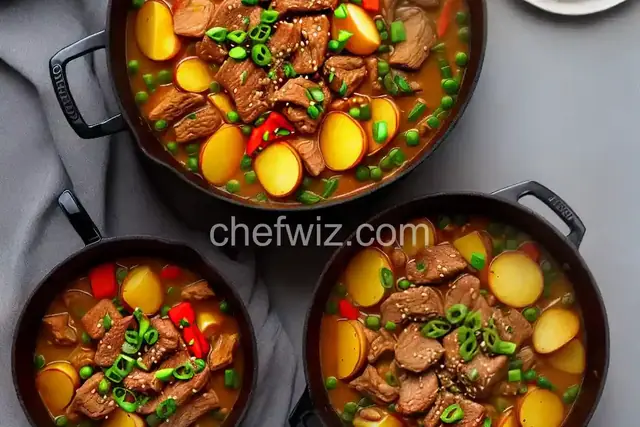
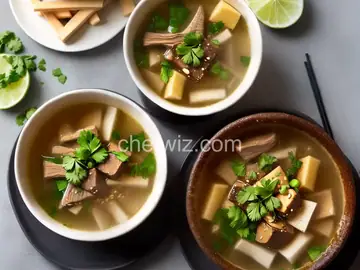
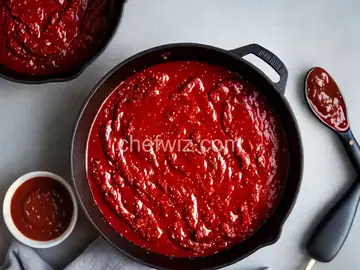
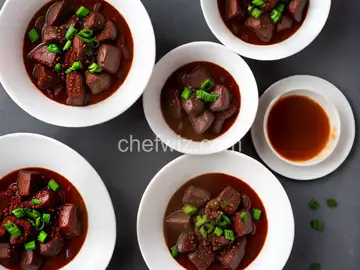
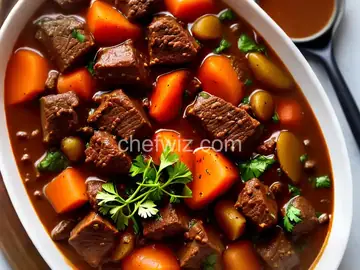
Are you in the mood for a hearty and flavorful stew? Look no further than Gamja-tang, a delicious Korean dish that combines tender pork and potatoes with a rich and spicy broth. In this article, we'll take a closer look at this mouthwatering stew and explore its origins, ingredients, and cooking methods. Get ready to tantalize your taste buds with a bowl of Gamja-tang!
The Origins of Gamja-tang
Gamja-tang has its roots in Korean cuisine and is considered one of the country's most beloved dishes. The name itself translates to "potato stew," highlighting the star ingredient of this flavorful concoction. Originally, Gamja-tang was a humble peasant dish, but it has since gained popularity and is now enjoyed by people from all walks of life.
The Key Ingredients
What makes Gamja-tang so special? It's the combination of a few key ingredients that work together to create a burst of flavors. The star of the show is undoubtedly the pork, which is simmered until tender and succulent. The meat is then cooked with potatoes, garlic, onions, and various vegetables such as carrots and green onions. The stew is spiced up with gochugaru (Korean chili flakes) and gochujang (Korean chili paste), adding a fiery kick to the broth.
Cooking Gamja-tang
Now that we know what goes into Gamja-tang, let's dive into the cooking process. To start, the pork is usually browned in a pot to enhance its flavor. Then, the vegetables and spices are added, along with water or broth, and simmered until everything is cooked through and the flavors have melded together. The result is a thick and hearty stew that is perfect for chilly days or when you're craving something comforting.
Pro tip:
If you want to take your Gamja-tang to the next level, consider adding some additional ingredients such as mushrooms, tofu, or even kimchi. These additions can add extra depth and complexity to the stew, making it even more satisfying.
Enjoying Gamja-tang
When it comes to enjoying Gamja-tang, there are a few ways to make the most of this delectable dish. Traditionally, the stew is served with a bowl of steamed rice, which helps to balance out the spiciness and adds a nice texture contrast. You can also enjoy it with some banchan (Korean side dishes) for a complete and satisfying meal.
So, the next time you're in the mood for a comforting and flavorful stew, give Gamja-tang a try. With its tender pork, hearty potatoes, and spicy broth, it's sure to become a favorite in your household. Explore the world of Korean cuisine with this delightful dish and let your taste buds embark on a culinary adventure.
In Conclusion
Gamja-tang is a delicious and satisfying Korean pork and potato stew that will warm your heart and soul. With its rich and spicy broth, tender meat, and hearty potatoes, it's a dish that is sure to become a favorite. Whether you're a fan of Korean cuisine or simply looking to try something new, give Gamja-tang a chance and indulge in its flavorsome wonders. Happy cooking!
Frequently asked questions
- . Can I use a different type of meat instead of pork?
While pork is the traditional choice for Gamja-tang, you can certainly experiment with other types of meat such as beef or chicken. Just keep in mind that the flavors and cooking times may vary.
- . Is Gamja-tang a spicy dish?
Yes, Gamja-tang is known for its spiciness. The combination of gochugaru and gochujang gives the stew its fiery kick. However, you can adjust the level of spiciness to suit your taste by adding more or less chili flakes and paste.
- . Can I make Gamja-tang vegetarian or vegan?
Absolutely! You can omit the meat and replace it with tofu or mushrooms for a vegetarian or vegan version of Gamja-tang. Just make sure to use vegetable broth instead of meat broth for a fully plant-based stew.
- . How long does it take to cook Gamja-tang?
The cooking time for Gamja-tang can vary depending on the cut of meat and the size of the potatoes. On average, it takes about 1.5 to 2 hours to cook the stew until the pork is tender and the flavors have developed.
- . Can I freeze leftover Gamja-tang?
Yes, you can freeze leftover Gamja-tang for future meals. Simply let the stew cool down, transfer it to an airtight container, and store it in the freezer. It can be kept frozen for up to 3 months.
- . What other Korean dishes can I pair with Gamja-tang?
There are plenty of delicious Korean dishes that pair well with Gamja-tang. Some popular choices include bibimbap, japchae, and kimchi pancakes. These dishes complement the flavors of Gamja-tang and create a well-rounded meal.
- . Can I adjust the level of spiciness in Gamja-tang?
Absolutely! If you prefer a milder version of Gamja-tang, you can reduce the amount of gochugaru (Korean chili flakes) and gochujang (Korean chili paste) in the recipe. You can always add more if you want to amp up the heat.
- . Can I make Gamja-tang in a slow cooker?
Yes, you can adapt the recipe to make Gamja-tang in a slow cooker. Simply brown the pork and sauté the vegetables before transferring everything to the slow cooker. Cook on low for 6-8 hours or on high for 3-4 hours, until the meat is tender and the flavors have melded together.
 By AprilPublished