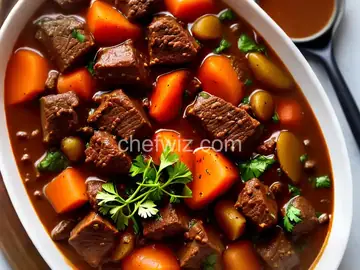
Dinuguan (Filipino Pork Blood Stew)
Rate this recipeBe the first to rate
 By AprilPublished
 When it comes to Filipino cuisine, there are plenty of mouthwatering dishes that will leave you craving for more.
 By AprilPublished
 When it comes to Filipino cuisine, there are plenty of mouthwatering dishes that will leave you craving for more.
Heat oil in a Dutch oven over high heat until it shimmers.
Add garlic, onion, and ginger to the Dutch oven and cook, stirring frequently, until they turn light brown in color (approximately 2 minutes).
Add pork to the Dutch oven and continue to cook, stirring frequently, until the pork is well browned on all sides and the garlic, onion, and ginger are dark brown in color (approximately 5 minutes).
Pour in fish sauce and black pepper.
Add vegetable stock or water to the Dutch oven, cover it, and bring it to a boil. Let it cook for 30 minutes.
Reduce the heat to a simmer and continue to cook, covered, until the pork is fork-tender and nearly falling apart (approximately 1 1/2 hours).
Strain the pork mixture through a fine-mesh strainer set over a large heatproof bowl, reserving the strained braising liquid (approximately 2 cups; 475ml). Transfer the strained pork, garlic, onion, and ginger to a separate large bowl and set it aside.
In a medium mixing bowl, combine 1/4 cup (60ml) vinegar and pork blood, and set it aside.
Heat oil in a 4-quart saucepan over high heat until it shimmers. Add garlic and onion to the saucepan and cook, stirring frequently, until they turn light brown in color (approximately
When it comes to Filipino cuisine, there are plenty of mouthwatering dishes that will leave you craving for more. From adobo to sinigang, the flavors and aromas of Filipino food can transport you to the vibrant streets of Manila. One dish that stands out among the rest is dinuguan, also known as Filipino pork blood stew. This unique delicacy is not for the faint of heart, but for those willing to step out of their comfort zones, it offers a culinary adventure like no other.
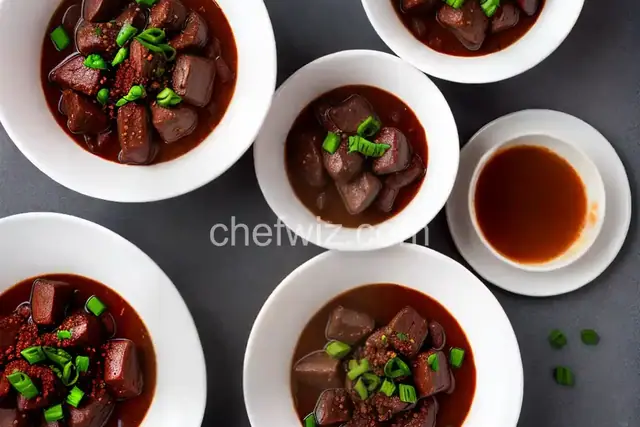
At first glance, dinuguan might not be the most visually appealing dish. Its dark, rich color might raise some eyebrows, but don't let its appearance fool you. Dinuguan is a savory stew made from pork meat, offal, and yes, pork blood. The blood gives the dish its distinct flavor and velvety texture, making it a standout in Filipino cuisine.
Preparing dinuguan requires skill and precision. The dish starts with simmering pork meat and offal until tender. Once cooked, the pork blood is added, giving the stew its signature color and flavor. To balance the richness, vinegar is added, cutting through the heaviness and adding a tangy kick. A variety of spices and seasonings, such as garlic, onions, and chili, are added to enhance the flavors. The result is a thick, hearty stew that will warm your soul.
Traditionally, dinuguan is served with puto, a steamed rice cake. The combination of the savory stew and the sweet, fluffy puto creates a beautiful harmony of flavors. The lightness of the puto complements the richness of the dinuguan, making it a match made in heaven. It's a culinary experience that you won't soon forget.
While dinuguan is undeniably delicious, it also holds cultural significance for Filipinos. It is often served during special occasions and gatherings, symbolizing unity and togetherness. Just like the stew itself, dinuguan brings people together, creating unforgettable memories and strengthening bonds.
The decision to try dinuguan ultimately lies with you. If you're feeling adventurous and want to explore the depths of Filipino cuisine, then dinuguan is a must-try. It's a dish that showcases the unique flavors and culinary traditions of the Philippines. However, if you have reservations about consuming pork blood or are not a fan of rich stews, then it might be best to pass on this particular delicacy.
Dinuguan, the Filipino pork blood stew, is a dish that challenges culinary norms and offers a one-of-a-kind dining experience. Its unique flavors and cultural significance make it a must-try for those seeking to explore the depths of Filipino cuisine. So, are you ready to embark on a gastronomic adventure and savor the flavors of dinuguan?
A1: While pork is the most commonly used meat in dinuguan, variations of the dish can include other meats such as chicken or beef.
A2: Yes, there are versions of dinuguan that use alternative ingredients to achieve a similar flavor and texture, such as tofu or black beans.
A3: The level of spiciness in dinuguan can vary depending on personal preference. Some recipes include chili peppers to add a spicy kick, while others opt for a milder flavor profile.
A4: Yes, dinuguan can be frozen for future consumption. It's best to store it in an airtight container and consume it within three months for optimal taste and quality.
A5: Yes, dinuguan can be served as a main course alongside rice or other Filipino staples. It can also be enjoyed as a filling for sandwiches or wraps.
A6: While dinuguan contains blood as an ingredient, it is distinct from blood sausages found in other cuisines. The flavors and preparations differ significantly.
A7: Dinuguan is a hearty and flavorful dish, but it is also high in fat and cholesterol due to the use of pork. It's best enjoyed in moderation as part of a balanced diet.
A8: Yes, there are vegetarian versions of dinuguan that use plant-based ingredients to mimic the flavors and textures of the traditional dish. These variations are often made with mushrooms or tofu.
AprilCook, recipe developer and the heart of Chefwiz. More about April