Funeral Potatoes
Rate this recipeBe the first to rate
 By AprilPublished
 When life throws us curveballs, we often turn to food for comfort and solace.
 By AprilPublished
 When life throws us curveballs, we often turn to food for comfort and solace.
Preheat the oven to 350 degrees F.
In a large skillet over medium heat, melt 3 tbsp of butter. Saute the onion until it becomes translucent.
Sprinkle flour over the onion and cook for 1 minute.
Whisk in the milk and chicken stock. Bring the mixture to a boil and let it simmer until it thickens.
Season with salt and pepper, then remove the skillet from the heat.
Stir in the cheeses and sour cream.
In a large bowl, combine the hash browns with the sauce.
Transfer the mixture to a buttered casserole dish.
In a medium bowl, combine the cornflakes and butter. Use this mixture to top the casserole.
Cover the dish and bake for 45 minutes, or until it becomes bubbly.
Top with chives and serve.
When life throws us curveballs, we often turn to food for comfort and solace. Whether it's a warm bowl of soup or a hearty casserole, certain dishes have the power to soothe our souls and bring us a sense of calm. One such dish that has become synonymous with comfort and support is funeral potatoes.
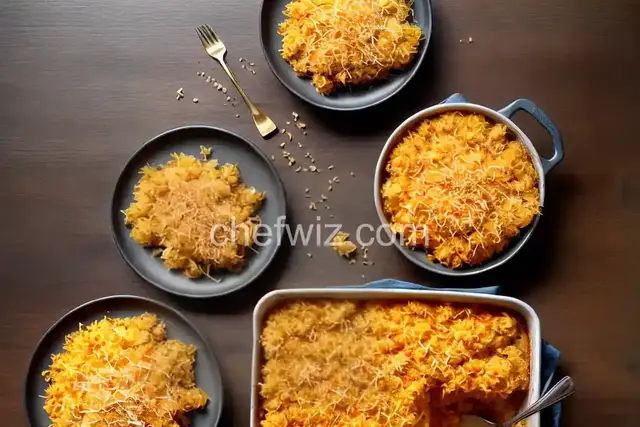
Funeral potatoes, also known as cheesy potato casserole or hash brown casserole, are a popular side dish that is commonly served at funerals and potlucks in some parts of the United States. These creamy, cheesy, and oh-so-delicious potatoes are made with a base of shredded or diced potatoes, mixed with a creamy sauce, and topped with a crispy, golden crust.
While the exact origins of funeral potatoes are unclear, they are believed to have originated in the western United States, particularly in the Mormon community. In times of grief and mourning, friends and neighbors would come together to offer support and comfort to the bereaved family. As a gesture of love and kindness, they would bring over a dish to share, often including funeral potatoes.
Funeral potatoes have gained popularity over the years for several reasons. Firstly, they are incredibly comforting and satisfying to eat. The combination of creamy potatoes and gooey cheese is a match made in heaven. Secondly, funeral potatoes can easily be prepared in large quantities, making them perfect for feeding a crowd. Lastly, they are incredibly versatile and can be customized to suit individual preferences. Whether you prefer a spicier version with jalapenos or a milder version with extra cheese, funeral potatoes can be adapted to suit your taste.
Food has a unique ability to bring people together and provide a sense of comfort during difficult times. Funeral potatoes, in particular, have a way of nurturing both the body and the soul. The act of coming together to prepare and share a dish like funeral potatoes can be incredibly therapeutic and healing. It allows people to connect, reminisce, and support one another in their time of need.
While funeral potatoes may be a delicious and comforting dish, they are also a symbol of the love and support we offer one another during challenging times. Just as the layers of potatoes, sauce, and cheese come together to create a harmonious and flavorful dish, so too do communities come together to provide strength and compassion to those in need.
Funeral potatoes are more than just a dish; they are a testament to the power of food and community. In times of sorrow and mourning, these comforting potatoes bring people together, offering solace and support. So, the next time you find yourself in need of comfort, consider whipping up a batch of funeral potatoes and sharing them with loved ones. As you savor each creamy, cheesy bite, let the warmth of the dish remind you of the love and care that surrounds you.
Yes, funeral potatoes can be frozen before or after baking. Simply wrap the casserole tightly in plastic wrap and aluminum foil before placing it in the freezer. When ready to use, thaw the casserole overnight in the refrigerator before baking.
Absolutely! Feel free to experiment with different types of cheese or even a combination of cheeses. Cheddar, mozzarella, and Monterey Jack are popular choices, but you can use any cheese that melts well and complements the flavors of the dish.
Yes, funeral potatoes can be assembled a day in advance and refrigerated until ready to bake. This makes them a convenient option for potlucks or gatherings where you want to save time on the day of the event.
Yes, funeral potatoes can be made vegetarian-friendly by using vegetable broth instead of chicken broth and ensuring that all other ingredients are vegetarian. They are a great option for those who prefer meatless dishes.
While traditionally funeral potatoes are vegetarian, you can certainly add cooked bacon, ham, or even shredded chicken to the dish if desired. Just make sure to cook the meat separately before adding it to the casserole.
Yes, funeral potatoes can easily be made gluten-free by using gluten-free flour and ensuring that all other ingredients, such as the shredded potatoes and cheese, are also gluten-free. Double-check labels to be safe.
Yes, if you prefer not to use canned soup, you can make a homemade sauce for your funeral potatoes. Simply combine butter, flour, milk, and your choice of seasonings in a saucepan and cook until thickened and creamy.
Absolutely! Funeral potatoes can be customized to include additional vegetables such as diced bell peppers, onions, or even broccoli. Just make sure to sauté or blanch the vegetables before adding them to the casserole.
AprilCook, recipe developer and the heart of Chefwiz. More about April