Fried Rice
Rate this recipeBe the first to rate
 By AprilPublished
 Fried rice is a popular dish enjoyed by many around the world.
 By AprilPublished
 Fried rice is a popular dish enjoyed by many around the world.
Fill a large pot halfway with water and bring it to a boil.
Rinse the rice thoroughly in a strainer until the water runs almost clear.
Cook the rice in the boiling water for 3 minutes, then drain using a fine-mesh strainer that fits in the pot.
Wipe out the pot and pour about 2 inches of water into it, bringing it to a simmer.
With the rice still in the strainer, make a few divots in the rice all the way to the bottom of the strainer using a chopstick or butter knife.
Cover the strainer with foil and place it in the pot over the simmering water. Put the pot lid over the strainer. If there is a lot of steam escaping, wrap foil or a damp tea towel around the rim of the pot and strainer. Alternatively, you can use a bamboo steamer or a standard steaming setup.
Steam the rice for about 15 minutes until it is cooked through but still slightly firm (al dente). It should have a drier texture compared to normal steamed rice.
Spread the cooked rice onto a baking sheet and let it cool to room temperature. Then refrigerate until ready to use.
Heat a large wok or well-seasoned cast-iron skillet over high heat.
Add 1 tablespoon of oil to the wok and swirl it around to coat the surface.
11
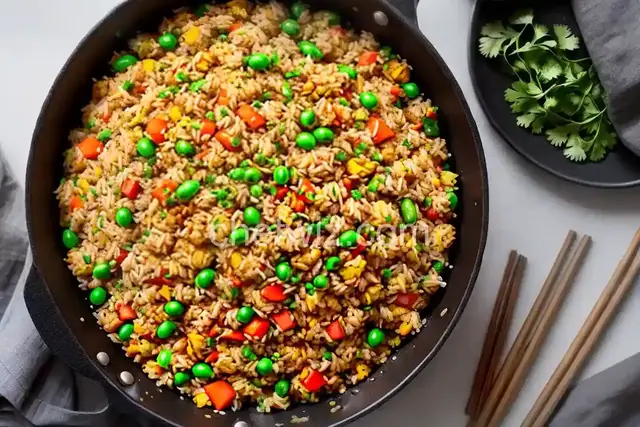
Fried rice is a popular dish enjoyed by many around the world. It's a versatile and delicious way to use up leftover rice and other ingredients you have on hand. In this article, we'll explore the art of making fried rice, from the basics to some creative variations.
At its core, fried rice is a simple dish made by stir-frying cooked rice with a combination of vegetables, proteins, and seasonings. It's a great way to transform plain rice into a flavorful and satisfying meal.
One of the keys to making delicious fried rice is using cold, day-old rice. Freshly cooked rice tends to be too sticky and moist, which can result in clumpy fried rice. By using cold rice, the grains separate easily and absorb the flavors of the other ingredients.
When it comes to vegetables and proteins, the possibilities are endless. Classic fried rice often includes ingredients like carrots, peas, onions, and scrambled eggs. However, you can get creative and add your favorite veggies and proteins, such as bell peppers, broccoli, shrimp, or chicken.
While traditional fried rice is often seasoned with soy sauce and garlic, you can experiment with different flavors and spices to create your own unique version. Try adding ginger, chili sauce, or even a splash of fish sauce for an extra kick. The beauty of fried rice is that you can tailor it to your taste preferences.
Fried rice is a versatile dish that can be customized in many ways. Here are a few variations to inspire your culinary creativity:
Take your taste buds on a tropical journey with pineapple fried rice. The sweetness of the pineapple complements the savory flavors of the rice and other ingredients. Add some cashews for an extra crunch!
If you're a fan of Korean cuisine, try making kimchi fried rice. The tangy and spicy flavors of kimchi add a unique twist to this classic dish. Serve it with a fried egg on top for a complete meal.
For a healthier twist, substitute rice with cauliflower rice. It's a great low-carb option that still delivers on taste and texture. Load it up with your favorite veggies and proteins for a nutritious meal.
Fried rice is a versatile and delicious dish that can be enjoyed in many different ways. Whether you're a fan of the classic version or prefer to experiment with exciting variations, there's no denying the appeal of a steaming plate of fried rice. So grab your wok and get creative in the kitchen!
While it's possible to use freshly cooked rice, it's best to use cold, day-old rice for better texture and separation of grains.
Yes, you can freeze leftover fried rice. Just make sure to store it in an airtight container and consume it within a few months for best quality.
Absolutely! Fried rice can be made without eggs. Simply omit the scrambled eggs and focus on adding your favorite vegetables and proteins.
The healthiness of fried rice depends on the ingredients used. Opt for brown rice or cauliflower rice for a healthier alternative, and load up on nutritious vegetables and lean proteins.
While white rice is commonly used for fried rice, you can experiment with different types of rice, such as jasmine or basmati, to add unique flavors and textures to your dish.
To prevent mushy fried rice, make sure to use cold, day-old rice and avoid overcrowding the pan. Stir-fry the rice on high heat and continuously toss it to ensure even cooking.
While it's not a traditional ingredient, you can certainly add cheese to your fried rice if you enjoy the combination of flavors. Experiment with different types of cheese to find your favorite pairing.
Yes, you can make fried rice without a wok. A large skillet or frying pan works well too. The most important thing is to have a wide and flat cooking surface to allow even heat distribution.
AprilCook, recipe developer and the heart of Chefwiz. More about April