Wild Rice
Rate this recipeBe the first to rate
 By AprilPublished
 When it comes to nutritious and flavorful grains, wild rice stands out as a unique and versatile option.
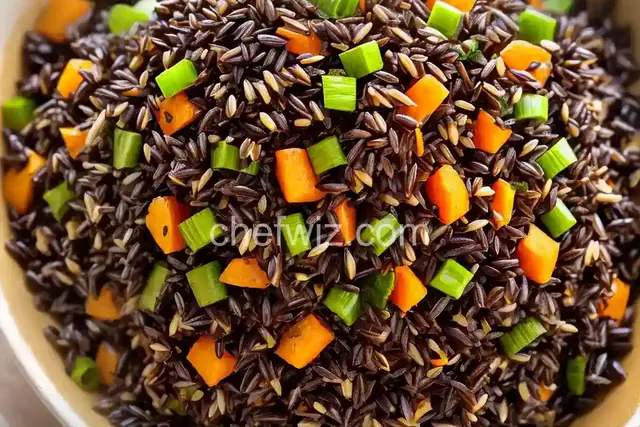 By AprilPublished
 When it comes to nutritious and flavorful grains, wild rice stands out as a unique and versatile option.
Rinse the rice thoroughly in a fine-mesh strainer until the water runs clear.
In a medium saucepan, heat the oil over medium-high heat until it shimmers.
Add the onion to the saucepan and cook, stirring often, until it becomes golden brown and starts to caramelize, which should take around 12 to 15 minutes.
Stir in the garlic and cook for about 1 more minute until it becomes fragrant.
Add the stock to the saucepan and stir to combine. Then, add the butter, salt, and rice to the mixture.
Bring the mixture to a boil, then reduce the heat to medium-low and let it simmer. Cover the saucepan and cook the rice for about 45 to 50 minutes until it is cooked through and chewy but still tender.
Remove the saucepan from the heat and let it sit, covered, for approximately 10 minutes.
If there is any excess stock, strain the rice mixture.
Fluff the rice with a fork, garnish it with parsley, and serve.
When it comes to nutritious and flavorful grains, wild rice stands out as a unique and versatile option. Unlike its name suggests, wild rice is not actually rice but a species of grass found in North America. Its distinct taste, chewy texture, and earthy aroma make it a popular choice among health-conscious individuals and culinary enthusiasts alike. In this article, we will delve into the nutritional benefits of wild rice, explore different cooking techniques, and answer some frequently asked questions to help you incorporate this nutritious grain into your diet.
Wild rice is not only delicious but also packed with essential nutrients. It is a great source of complex carbohydrates, providing long-lasting energy. Additionally, wild rice is rich in dietary fiber, which aids in digestion and promotes a healthy gut. It also contains essential minerals like magnesium, phosphorus, and zinc, which play vital roles in various bodily functions. Moreover, wild rice is gluten-free, making it an excellent alternative for individuals with gluten sensitivities or celiac disease.
There are several ways to cook wild rice, each resulting in a unique flavor and texture profile. One popular method is to simmer it in a saucepan with water or broth until the grains are tender and have absorbed the liquid. This cooking technique allows the wild rice to retain its chewy texture and nutty flavor.
Another option is to cook wild rice in a rice cooker, which simplifies the process and ensures consistent results. This method is convenient for those who prefer a hands-off approach to cooking. Additionally, wild rice can be incorporated into various dishes, such as salads, soups, and stir-fries, adding a delightful twist to familiar recipes.
Wild rice is a nutritional powerhouse that offers a unique flavor and texture to any dish. Its abundance of essential nutrients, versatility in cooking, and gluten-free nature make it an excellent choice for individuals seeking a healthy and satisfying grain option. Whether you incorporate wild rice into a hearty salad, a comforting soup, or a flavorful pilaf, it is sure to elevate your culinary creations and provide a delightful dining experience.
Yes, wild rice is naturally gluten-free, making it a suitable choice for individuals with gluten sensitivities or celiac disease.
Unlike regular rice, wild rice is not a type of rice but a species of grass. It has a chewier texture, nuttier flavor, and different cooking requirements.
Yes, wild rice can be frozen to extend its shelf life. Cooked wild rice can be frozen in an airtight container for up to six months.
Wild rice can be used in various dishes, such as stuffed peppers, pilafs, casseroles, and even desserts like wild rice pudding.
Yes, wild rice generally requires a longer cooking time compared to regular rice. It is important to follow the specific cooking instructions provided on the packaging.
Yes, wild rice can be used as a substitute for other grains like quinoa or brown rice in various recipes, providing a unique twist to familiar dishes.
While it is not necessary to rinse wild rice before cooking, some people prefer to give it a quick rinse to remove any debris or impurities.
Yes, wild rice is suitable for both vegan and vegetarian diets. It is a nutritious and versatile grain that can be enjoyed in a variety of plant-based dishes.
AprilCook, recipe developer and the heart of Chefwiz. More about April