Focaccia with Olives and Rosemary
Rate this recipeBe the first to rate
 By AprilPublished
 Who doesn't love the smell of freshly baked bread wafting through the house?
 By AprilPublished
 Who doesn't love the smell of freshly baked bread wafting through the house?
In a large bowl, place 2 cups of warm water. Use a fork to stir in the dry yeast. Let it sit for about 10 minutes until the yeast dissolves.
Add 4 1/4 cups of flour and salt to the yeast mixture. Stir well to blend, even though the dough will be sticky.
On a floured surface, knead the dough for about 10 minutes until it becomes smooth and elastic. If the dough is still sticky, add more flour gradually. Shape the dough into a ball.
Oil a large bowl and place the dough inside, making sure to turn it around to coat it with oil. Cover the bowl with plastic wrap and let the dough rise in a warm area until it doubles in size, which should take around 1 1/2 hours.
Once the dough has risen, punch it down and knead it into a ball again. Return it to the same bowl, cover it with plastic wrap, and let it rise once more in a warm area until it doubles in size again, which should take about 45 minutes or less.
Prepare a 15x10-inch baking sheet by coating it with 1 tablespoon of oil.
Punch down the dough again and transfer it to the prepared baking sheet. Using your fingertips, press out the dough to form a 13x10-inch rectangle. Allow the dough to rest for 10 minutes.
Drizzle
Who doesn't love the smell of freshly baked bread wafting through the house? Focaccia with olives and rosemary is a delightful and rustic Italian bread that will transport you to the sun-soaked hills of Tuscany. In this article, we'll explore the art of making this delicious bread and discover why it's a favorite among bread lovers worldwide.
Imagine sinking your teeth into a warm slice of focaccia, with its crisp exterior and soft, chewy interior. It's like a hug for your taste buds! Focaccia is a versatile bread that can be enjoyed on its own, as a side dish, or even as a base for sandwiches. The combination of olives and rosemary adds a burst of flavor that elevates this humble bread to new heights.
Creating the perfect focaccia requires a bit of time and patience, but the end result is well worth the effort. The dough is made from a simple combination of flour, water, yeast, and olive oil. The dough is then left to rise, allowing the yeast to work its magic and create those beautiful air pockets that give focaccia its characteristic texture.
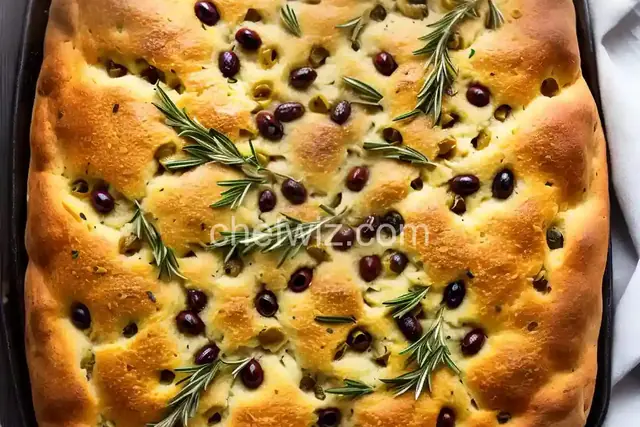
Once the dough has risen, it's time to add the olives and rosemary. These ingredients not only add flavor but also give the bread a visually appealing touch. The olives can be pitted or unpitted, depending on your preference. Feel free to get creative and experiment with different types of olives and herbs to personalize your focaccia.
After adding the olives and rosemary, the dough is gently pressed into a baking pan and left to rise once more. This second rise helps to develop the flavor and texture of the bread. Finally, it's time to bake the focaccia in a hot oven until it turns a beautiful golden brown.
Once your focaccia is baked to perfection, let it cool slightly before cutting into it. Serve it warm or at room temperature, drizzled with a little extra virgin olive oil. You can enjoy it on its own, dipped in balsamic vinegar and olive oil, or as a side dish to accompany a delicious Italian meal.
A1: Absolutely! While olives and rosemary add a wonderful flavor, you can customize your focaccia by adding different toppings or herbs that you enjoy.
A2: Yes, you can make focaccia a day in advance. Simply wrap it tightly in plastic wrap or store it in an airtight container to keep it fresh.
A3: Yes, you can freeze focaccia. Once it has cooled completely, wrap it tightly in plastic wrap and place it in a freezer bag. It can be stored in the freezer for up to three months.
A4: Absolutely! Adding cheese, such as Parmesan or mozzarella, can take your focaccia to the next level. Sprinkle it on top before baking for a cheesy, gooey delight.
A5: Yes, you can make gluten-free focaccia using a combination of gluten-free flours. There are many recipes and gluten-free flour blends available that can help you achieve a delicious gluten-free version of this bread.
A6: Yes, you can use dried rosemary if you don't have fresh on hand. However, keep in mind that the flavor may be slightly different, as dried herbs are more concentrated.
A7: Focaccia is best enjoyed fresh on the day it is baked. However, it can be stored in an airtight container for up to two days and reheated in the oven before serving.
A8: Absolutely! You can divide the dough into smaller portions and shape them into individual-sized focaccia. Adjust the baking time accordingly, as smaller focaccia will bake faster.
In conclusion, making focaccia with olives and rosemary is a delightful experience that brings the flavors of Italy into your kitchen. With a bit of time, patience, and creativity, you can create a beautiful and delicious bread that will impress your family and friends. So why not give it a try and embark on a culinary journey to Tuscany without leaving your home?
AprilCook, recipe developer and the heart of Chefwiz. More about April