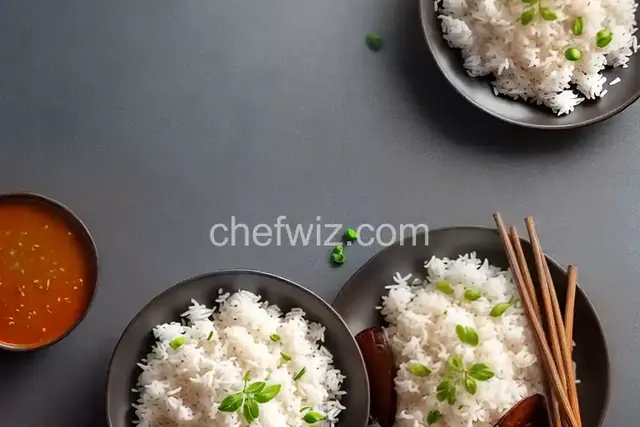
Who doesn't love a bowl of fluffy, perfectly cooked rice? Whether you're a fan of Chinese dishes, Indian curries, or Japanese sushi, steamed rice is the perfect accompaniment to any meal. In this article, we will explore the art of cooking the perfect steamed rice, and uncover the secrets to achieving that light and tender texture that we all crave.
The Importance of Rice
Rice is a staple food for a large portion of the world's population, and it's not hard to see why. It's affordable, versatile, and incredibly satisfying. But not all rice is created equal. The key to achieving perfect steamed rice lies in choosing the right type of rice.
Long-grain rice, such as basmati or jasmine, is ideal for steaming. These varieties have a low starch content, which helps to keep the grains separate and prevent them from becoming sticky. Short-grain rice, on the other hand, is better suited for dishes like risotto or sushi, where a stickier texture is desired.
The Art of Steaming Rice
Steaming rice may seem like a simple task, but it requires a delicate balance of time, heat, and moisture. The first step is to rinse the rice thoroughly to remove any excess starch. This will prevent the rice from becoming clumpy and sticky.
Next, it's time to cook the rice. The most foolproof method is to use a rice cooker. Simply add the rinsed rice and the appropriate amount of water, and let the machine work its magic. If you don't have a rice cooker, fear not! You can still achieve great results on the stovetop.
To cook rice on the stovetop, use a heavy-bottomed pot with a tight-fitting lid. Add the rinsed rice and the appropriate amount of water (usually a 1:2 ratio), and bring it to a boil. Once boiling, reduce the heat to low and cover the pot. Let the rice simmer gently for about 15-20 minutes, or until all the water is absorbed.
The Golden Ratio
One of the most common questions when it comes to steaming rice is the ratio of rice to water. While it may vary slightly depending on the type of rice you're using, a good rule of thumb is to use a 1:2 ratio. This means for every cup of rice, you'll need two cups of water.
However, if you prefer your rice to be on the softer side, you can use a bit more water. Similarly, if you like your rice to have a firmer texture, you can use slightly less water. It's all about finding the perfect balance that suits your personal taste.
Fluff and Let It Rest
Once the rice is cooked, resist the temptation to dive right in. Instead, give it a gentle fluff with a fork or a pair of chopsticks. This will help to separate the grains and release any excess moisture.
After fluffing, cover the pot with the lid and let the rice rest for a few minutes. This step is crucial as it allows the residual heat to distribute evenly, resulting in a more evenly cooked rice. It's like giving the rice a well-deserved rest after all its hard work!
In Conclusion
Steaming rice may seem like a simple task, but it requires attention to detail and a bit of practice to achieve that perfect texture. By choosing the right type of rice, using the correct ratio of water, and giving the rice a good fluff and rest, you can create a bowl of steamed rice that is light
Frequently asked questions
- Can I use any type of rice for steaming?
While any type of rice can be steamed, long-grain rice such as basmati or jasmine is the best choice for achieving that light and fluffy texture.
- How do I prevent my rice from becoming sticky?
To prevent sticky rice, rinse it thoroughly before cooking to remove excess starch. Additionally, using the correct ratio of water to rice and giving the rice a good fluff after cooking will help keep the grains separate.
- Can I add flavorings to the rice while steaming?
Absolutely! You can add various flavors to your steamed rice by using broth instead of water, or by infusing the cooking liquid with herbs and spices. Get creative and experiment with different combinations!
- How long can I store steamed rice?
Cooked rice can be stored in the refrigerator for up to 4-6 days. Make sure to transfer it to an airtight container to keep it fresh and prevent it from absorbing any odors from the fridge.
- Can I freeze steamed rice?
Absolutely! Freezing steamed rice is a great way to have ready-to-eat rice on hand. Simply portion the rice into freezer-safe bags or containers and freeze for up to 3 months. To reheat, simply thaw in the refrigerator overnight and steam or microwave until heated through.
- What dishes can I pair with steamed rice?
Steamed rice pairs well with a wide variety of dishes, such as stir-fries, curries, grilled meats, and seafood. Its neutral flavor and fluffy texture make it the perfect canvas for any flavorful dish.
- Can I use leftover rice to make fried rice?
Absolutely! Leftover steamed rice is actually perfect for making fried rice. Its slightly dried-out texture helps to absorb the flavors of the other ingredients and prevents the dish from becoming soggy.
- Can I steam rice in the microwave?
Yes, you can steam rice in the microwave. Simply combine the rinsed rice and water in a microwave-safe dish, cover it with a microwave-safe lid or plastic wrap, and cook on high for about 10-12 minutes, or until the rice is tender.
- How can I add more flavor to my steamed rice?
To add more flavor to your steamed rice, you can mix in some freshly chopped herbs, such as cilantro or parsley, or even add a squeeze of lemon or lime juice for a refreshing twist.
 By AprilPublished