Fluffy Gluten-Free Pancakes
Rate this recipeBe the first to rate
 By AprilPublished
 Are you tired of the same old pancakes that leave you feeling bloated and sluggish?
 By AprilPublished
 Are you tired of the same old pancakes that leave you feeling bloated and sluggish?
In a bowl, combine flour, baking powder, salt, and cinnamon by whisking them together.
In a separate bowl, whisk together egg, vegetable oil, and vanilla until well mixed.
Gradually add the dry ingredients to the wet ingredients, stirring with a wooden spoon until everything is incorporated. The batter may still have lumps.
Add milk to the batter and mix until it becomes smooth. Let the batter sit for 5 to 10 minutes until it thickens.
If the batter is too thick, add more milk, one tablespoon at a time, and continue stirring.
Spray a griddle with cooking spray and heat it over medium-low heat.
Drop 1 to 2 heaping tablespoonfuls of batter onto the preheated griddle for each pancake, working in batches.
Cook the pancakes until bubbles form on the surface and the edges are dry, which usually takes about 3 to 4 minutes.
Flip the pancakes and cook them for an additional 2 to 3 minutes, or until they are browned on the other side.
Are you tired of the same old pancakes that leave you feeling bloated and sluggish? Well, look no further! In this article, we will explore the wonderful world of fluffy gluten-free pancakes. These pancakes are not only delicious but also suitable for those with gluten sensitivities or celiac disease.
Gluten is a protein found in wheat, barley, and rye. While it gives traditional pancakes their fluffy texture, it can cause discomfort for individuals with gluten sensitivities or celiac disease. Thankfully, there are alternative flours that can be used to create the same light and airy texture without the gluten.
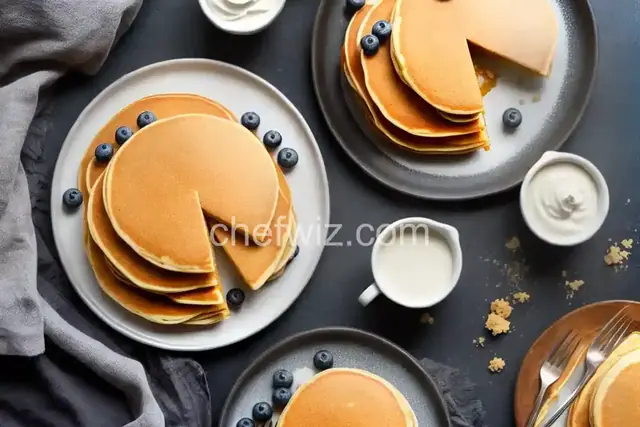
Imagine biting into a stack of pancakes that are as light as a cloud, melting in your mouth with each delicious bite. These gluten-free pancakes are like a warm hug on a Sunday morning, bringing comfort and joy to your taste buds.
When it comes to making gluten-free pancakes, the choice of flour is crucial. There are various gluten-free flours available, such as almond flour, coconut flour, and oat flour. Each has its unique flavor and texture, so it's essential to experiment and find the one that suits your taste buds the best.
Almond flour, for example, adds a nutty flavor to the pancakes and helps them hold their shape. Coconut flour, on the other hand, contributes a slightly sweet taste and a delicate texture. Oat flour provides a heartiness that complements a wide range of flavors.
Gluten-free pancakes don't have to be plain and boring. In fact, they can be just as delicious, if not more so, than their gluten-filled counterparts. You can add a variety of ingredients to enhance the flavor and create a pancake experience that will leave you craving for more.
From fresh fruits like blueberries and bananas to indulgent additions like chocolate chips and cinnamon, the possibilities are endless. You can even try incorporating different extracts, such as vanilla or almond, to give your pancakes a delightful twist.
Creating fluffy gluten-free pancakes is all about the technique. It's important to mix the batter just enough to combine the ingredients, without overmixing. Overmixing can result in dense and tough pancakes.
Another tip is to let the batter rest for a few minutes before cooking. This allows the gluten-free flour to absorb the liquid fully and results in a lighter texture. Additionally, using a non-stick pan or a griddle with a bit of oil or butter will ensure that your pancakes cook evenly and don't stick to the surface.
In conclusion, fluffy gluten-free pancakes are a delicious alternative for those who want to enjoy a pancake breakfast without the discomfort of gluten. With the right flour choice, flavor enhancements, and perfect pancake technique, you can create a stack of pancakes that are both gluten-free and incredibly satisfying.
Gluten-free pancakes are suitable for individuals with gluten sensitivities or celiac disease. However, anyone can enjoy them as a tasty and healthy alternative.
Absolutely! You can freeze gluten-free pancakes for later use. Just make sure to separate them with parchment paper or plastic wrap to prevent sticking.
Yes, you can substitute regular flour with gluten-free flour in most pancake recipes. Just make sure to adjust the liquid-to-flour ratio if needed.
Gluten-free pancakes cook a bit differently than traditional pancakes. Look for a golden brown color and a slightly firm texture when gently pressed with a spatula.
Not at all! While there might be a slight learning curve when working with gluten-free flours, once you get the hang of it, making gluten-free pancakes is just as easy as making regular ones.
You can top your gluten-free pancakes with anything you like! Some popular options include fresh berries, maple syrup, honey, nut butter, or even a dollop of whipped cream.
Absolutely! There are many vegan-friendly gluten-free pancake recipes available. You can use plant-based milk and substitute eggs with ingredients like flaxseed meal or applesauce.
Eating gluten-free pancakes can be beneficial for individuals with gluten sensitivities or celiac disease. It allows them to enjoy a delicious breakfast without the discomfort that gluten can cause.
AprilCook, recipe developer and the heart of Chefwiz. More about April