Old-Fashioned Pancakes
Rate this recipeBe the first to rate
 By AprilPublished
 Are you in the mood for a classic breakfast dish that never goes out of style?
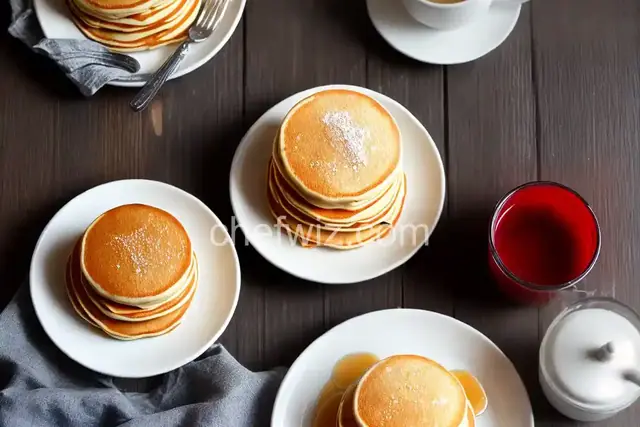 By AprilPublished
 Are you in the mood for a classic breakfast dish that never goes out of style?
Combine flour, baking powder, sugar, and salt in a large bowl, sifting them together.
Whisk in milk, melted butter, and egg until well mixed.
Allow the batter to rest for 5 minutes.
Preheat a large skillet over medium-high heat and apply cooking spray to prevent sticking.
Pour approximately 1/4 cup of batter onto the hot skillet for each pancake.
Cook until bubbles start to form on the sides and center of each pancake, usually taking 2 to 3 minutes.
Flip the pancakes and cook for an additional 1 to 2 minutes until the bottom turns golden.
Are you in the mood for a classic breakfast dish that never goes out of style? Look no further than old-fashioned pancakes! These timeless treats are a favorite among young and old alike. Whether you're enjoying a lazy Sunday morning or craving a delicious breakfast for dinner, pancakes are the perfect choice. In this article, we'll explore the history of old-fashioned pancakes, their key ingredients, and some tips for making the fluffiest, most mouthwatering pancakes ever.
Pancakes have been enjoyed for centuries, with variations popping up in different cultures around the world. From ancient Greece to medieval Europe, pancakes have always been a staple in the culinary world. The term "pancake" itself comes from the Middle English word "panne-cake," which refers to a cake cooked in a pan. Today, pancakes are enjoyed in countless ways, from thin crepes to thick, fluffy stacks.
What makes old-fashioned pancakes so delicious? It all comes down to the key ingredients. Flour, milk, eggs, and a leavening agent such as baking powder are the essentials. These simple ingredients combine to create a light and fluffy batter that forms the foundation of a perfect pancake. Other optional ingredients, such as sugar, vanilla extract, or cinnamon, can be added to enhance the flavor.
The type of flour you use can greatly affect the texture of your pancakes. All-purpose flour is commonly used, but for a lighter and more delicate pancake, you can opt for cake flour. Whole wheat flour can also be used for a healthier twist, adding a nutty flavor to your pancakes.
Milk provides moisture and richness to your pancake batter. You can use any type of milk you prefer, from whole milk to almond milk or even buttermilk for a tangy flavor. Experiment with different types of milk to find your favorite combination.
Eggs act as a binder in the pancake batter, helping to hold everything together. They also contribute to the fluffy texture of the pancakes. For a lighter pancake, you can separate the egg whites and beat them until stiff peaks form, then fold them into the batter.
Baking powder is the most commonly used leavening agent in pancake recipes. It helps the batter rise, resulting in light and airy pancakes. Be sure to check the expiration date on your baking powder to ensure it's still active.
Now that you know the key ingredients, let's dive into some tips to ensure your pancakes turn out perfectly every time:
Use measuring cups and spoons to accurately measure your ingredients. Baking is a science, and slight variations can affect the final result.
Avoid overmixing the batter, as this can result in tough pancakes. Mix until the ingredients are just combined, leaving a few lumps in the batter.
Preheat your pan or griddle over medium heat before adding the batter. This ensures even cooking and prevents the pancakes from sticking.
Cook the pancakes on medium heat to achieve that perfect golden brown color. High heat can cause the pancakes to burn on the outside while remaining undercooked on the inside.
Wait for bubbles to form on the surface of the pancake before flipping. This indicates that the pancake is ready to be turned over.
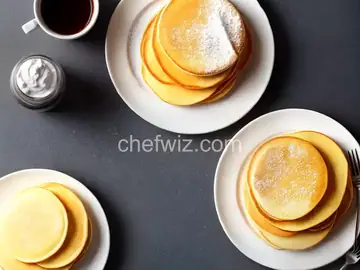
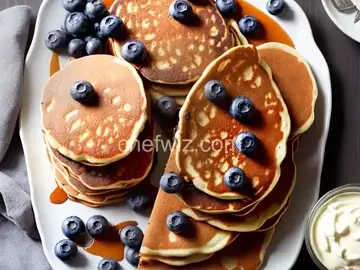
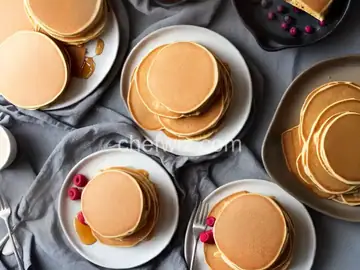
Old-fashioned pancakes are a timeless breakfast delight, loved by generations. With their fluffy texture and endless topping possibilities, they are the perfect comfort food. Whether you prefer them plain, with a drizzle of maple syrup, or loaded with fresh fruits and whipped cream, pancakes are sure to satisfy your cravings. So why not treat yourself to a stack of old-fashioned pancakes and indulge in a classic breakfast experience?
Yes, you can substitute gluten-free flour for regular flour to make pancakes that are suitable for those with gluten sensitivities.
Yes, you can use substitutes such as mashed bananas, applesauce, or yogurt to replace eggs in pancake recipes.
To make pancakes fluffier, separate the egg whites and beat them until stiff peaks form, then fold them into the batter.
Yes, you can freeze leftover pancakes. Place them in a single layer on a baking sheet, freeze until firm, then transfer to a freezer bag or container for long-term storage.
Absolutely! Adding chocolate chips, blueberries, or any other desired mix-ins to the pancake batter can add extra flavor and texture to your pancakes.
Yes, you can use alternatives such as baking soda and lemon juice or buttermilk to replace baking powder in pancake recipes.
You can keep pancakes warm by placing them on a baking sheet in a low oven (around 200°F) while you finish cooking the rest.
Yes, you can use alternative sweeteners such as honey, maple syrup, or stevia in place of sugar in pancake recipes.
AprilCook, recipe developer and the heart of Chefwiz. More about April