Festival Bread
Rate this recipeBe the first to rate
 By AprilPublished
 When it comes to celebrating our cultural heritage, few things bring people together quite like food.
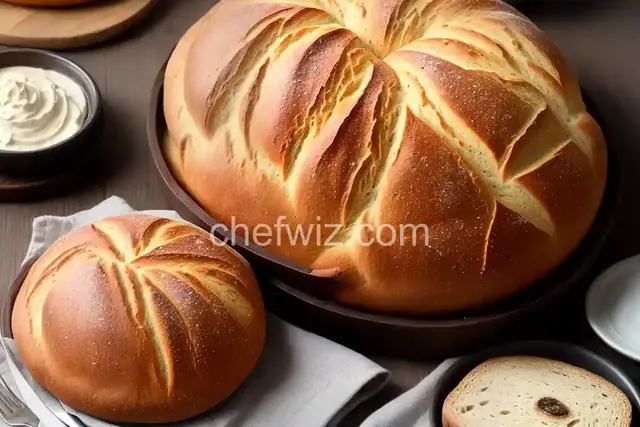 By AprilPublished
 When it comes to celebrating our cultural heritage, few things bring people together quite like food.
In a large bowl, combine flour, cornmeal, baking powder, salt, and nutmeg.
Stir sugar and vanilla into 2 cups of water. Add the mixture to the dry ingredients.
Use your hands to knead everything together until well combined. Add up to 1/4 cup more water if needed.
Cover the bowl with a damp cloth and let it sit for 15 minutes.
Transfer the dough onto a floured surface.
Divide the dough into 26 equal pieces.
Roll each piece into a sausage shape, then flatten it.
Preheat the oil in a deep-fryer to 350 degrees F.
Fry the dough in batches, flipping once, until it turns golden brown, which usually takes around 3 to 5 minutes.
When it comes to celebrating our cultural heritage, few things bring people together quite like food. And one dish that holds a special place in the hearts of many cultures around the world is festival bread. This delightful treat is not only a staple during festive occasions but also a symbol of unity, tradition, and celebration.
Just like the diverse cultures that exist, festival bread comes in various shapes, sizes, and flavors. From the rich and buttery challah bread of Jewish celebrations to the aromatic and sweet panettone of Italian festivities, each culture has its own unique version of festival bread.
But what makes festival bread so special? Well, think of it as the glue that holds a celebration together. It's the centerpiece of the table, the aroma that fills the air, and the taste that lingers on your palate. Festival bread is not just a food item; it's a symbol of togetherness, heritage, and the joy of coming together to celebrate.
Let's take a journey through some of the most beloved festival breads around the world:
Challah bread, with its braided shape and golden crust, is synonymous with Jewish celebrations. This soft and fluffy bread is traditionally enjoyed during Shabbat and other festive occasions. Its rich flavor and symbolic significance make it a must-have during Jewish festivals.
Originating from Milan, Italy, panettone is a sweet bread studded with dried fruits and nuts. It's a Christmas staple in many Italian households and is often gifted to friends and family during the holiday season. The light and airy texture of panettone, combined with its delightful flavors, make it a true festive delight.
Mardi Gras wouldn't be complete without a slice of king cake. This colorful and decadent bread is typically enjoyed during the Carnival season. It's adorned with vibrant icing and often contains a hidden trinket or figurine. The person who finds the trinket is said to have good luck for the coming year.
During the holiday season in Mexico, families gather to enjoy a slice of Rosca de Reyes, a ring-shaped bread filled with candied fruit and topped with a sprinkle of sugar. Hidden inside the bread are small figurines representing baby Jesus. Finding a figurine in your slice means you must host a party on February 2nd, known as DÃa de la Candelaria.
Festival bread is more than just a delicious treat; it's a symbol of culture, tradition, and celebration. Whether you're enjoying a slice of challah bread during Shabbat or savoring a piece of panettone during Christmas, festival bread brings people together and fills the air with joy. So, next time you're celebrating, don't forget to include festival bread on your table!
Festival bread has deep roots in cultural and religious traditions around the world. It has been a part of celebrations for centuries, symbolizing abundance, unity, and joy.
Absolutely! While festival bread is traditionally associated with celebrations, there's no reason why you can't enjoy it any time of the year. It's a delicious treat that can be enjoyed with loved ones or as a special indulgence for yourself.
Yes! Just like the diversity of cultures, festival bread has evolved to accommodate various dietary preferences. There are numerous vegan and gluten-free festival bread recipes available that are equally delicious and festive.
Baking festival bread at home can be a rewarding experience. Here are a few tips to help you get started: - Follow the recipe carefully and measure your ingredients accurately. - Allow enough time for the dough to rise properly. - Experiment with different flavors and add-ins to personalize your festival bread.
Yes, festival bread can be frozen for later use. Wrap it tightly in plastic wrap or aluminum foil before placing it in the freezer. When you're ready to enjoy it, simply thaw it at room temperature or warm it in the oven for a few minutes.
Festival bread can be enjoyed in various ways beyond simply slicing and eating it. Here are a few ideas: - Use it as the base for French toast or bread pudding. - Transform it into a savory stuffing for poultry or vegetables. - Make festive bread pudding with leftover festival bread.
If you're looking to incorporate festival bread into your own cultural celebrations, start by exploring the traditions and recipes of your heritage. Try your hand at baking a traditional festival bread and share it with loved ones.
While festival bread is often associated with religious festivals, it is also enjoyed during secular celebrations and cultural gatherings. It's a versatile and delicious treat that can be enjoyed by people of all backgrounds.
AprilCook, recipe developer and the heart of Chefwiz. More about April