Essene Bread
Rate this recipeBe the first to rate
 By AprilPublished
 Have you ever wondered how ancient civilizations managed to stay healthy and nourished without the convenience of modern processed foods?
 By AprilPublished
 Have you ever wondered how ancient civilizations managed to stay healthy and nourished without the convenience of modern processed foods?
To prepare the bread, start by rinsing the wheat berries with cool water. Then, soak the wheat berries in a large bowl filled with cool water for about 12 hours or overnight. Make sure to cover the bowl with a plate or cloth.
After soaking, drain the wheat berries using a colander. Place a plate on top of the colander to prevent the berries from drying out. Keep the colander in a dark place away from sunlight. Rinse the berries about three times a day, and they will begin to sprout in a couple of days. The sprouts should reach a length of about 1/4 inch. The growth of the sprouts depends on moisture and temperature, so be patient.
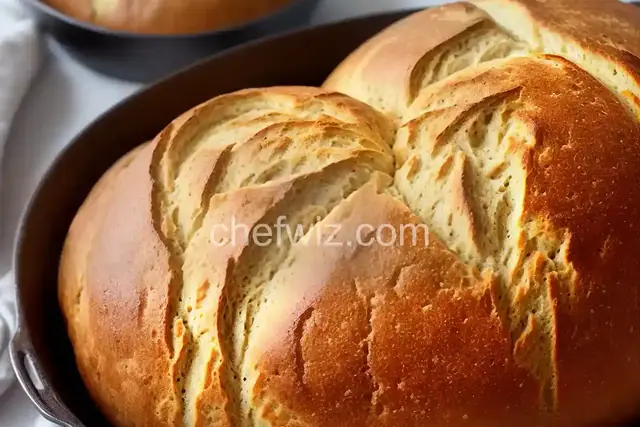
Next, grind the sprouted wheat berries using a food mill or a food processor. Once ground, transfer the grain onto a clean work surface. Squeeze and knead the grain for approximately 10 minutes. Then, shape the dough into two small round loaves, resembling hearth-style bread, using your hands.
Prepare an insulated cookie sheet by sprinkling it with a small amount of bran or cornmeal. Place the shaped loaves on the sheet.
There is no need to preheat the oven. Simply cover the loaves with cloches and bake them at 350 degrees F (175 degrees C) for 30 minutes. After that, reduce the oven temperature to 325 degrees F (165 degrees C) and continue baking for approximately
Have you ever wondered how ancient civilizations managed to stay healthy and nourished without the convenience of modern processed foods? One answer lies in Essene bread, a nutritious and easy-to-make alternative to traditional bread. In this article, we will explore the fascinating history, health benefits, and simple preparation of Essene bread. Get ready to discover a new way to fuel your body with wholesome goodness!
Essene bread traces its roots back to the ancient Essene community, a Jewish sect that flourished over two thousand years ago. These wise individuals understood the importance of using natural ingredients and preserving the vital nutrients found in grains. By sprouting and then grinding them, they created a bread that was not only delicious but also highly nutritious.
Essene bread is a nutritional powerhouse that offers a wide range of health benefits. The sprouting process activates enzymes that break down complex carbohydrates, making them easier to digest. This means that Essene bread is gentle on the digestive system, making it an ideal choice for those with sensitive stomachs.
Additionally, the sprouting process increases the bread's nutrient content. Sprouted grains are packed with vitamins, minerals, and antioxidants that are essential for maintaining optimal health. They are also rich in fiber, which promotes healthy digestion and helps regulate blood sugar levels.
Making Essene bread at home is a simple and rewarding process. All you need is a few basic ingredients and a little bit of patience. Start by sprouting your favorite grains, such as wheat, spelt, or barley. Once the grains have sprouted, grind them into a fine flour using a grain mill or a high-powered blender. Mix the flour with water to form a dough, then shape it into loaves or rolls.
Unlike conventional bread, Essene bread is not baked at high temperatures. Instead, it is slowly dehydrated at a low temperature to preserve its nutrients. You can use a food dehydrator or an oven set to its lowest temperature to achieve the desired result. After a few hours, your homemade Essene bread will be ready to enjoy!
Essene bread offers a delicious and nutritious alternative to traditional bread. Its sprouted grains and gentle preparation process make it a perfect choice for those seeking a healthier way to enjoy their daily bread. By incorporating Essene bread into your diet, you can nourish your body with essential nutrients and experience the benefits of this ancient culinary tradition.
No, Essene bread is not gluten-free. It is made from sprouted grains, which still contain gluten.
Absolutely! Essene bread can be enjoyed as a substitute for regular bread in sandwiches, toast, or as a side with meals.
Due to its lack of preservatives, Essene bread is best consumed within a few days. You can store it in an airtight container in the refrigerator to extend its shelf life.
Yes, Essene bread is vegan-friendly as it does not contain any animal products.
Yes, you can get creative with Essene bread by adding herbs, spices, or even seeds to enhance its flavor and texture.
While a grain mill or high-powered blender is recommended for grinding the sprouted grains, you can still make Essene bread with basic kitchen tools.
Essene bread's high fiber content can help you feel fuller for longer, which may aid in weight management when part of a balanced diet.
Yes, you can freeze Essene bread to prolong its shelf life. Slice the bread before freezing for easier portioning.
AprilCook, recipe developer and the heart of Chefwiz. More about April