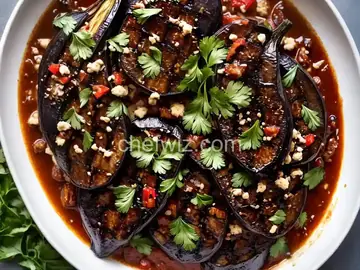
Easy Marinated Pork Tenderloin
Rate this recipeBe the first to rate
 By AprilPublished
 Do you want to impress your dinner guests with a delicious and tender pork dish?
 By AprilPublished
 Do you want to impress your dinner guests with a delicious and tender pork dish?
In a bowl, combine olive oil, soy sauce, garlic, Dijon honey mustard, salt, and ground black pepper.
Place the pork in a large resealable plastic bag and pour in the marinade. Remove any excess air from the bag and seal it. Marinate the pork in the refrigerator for at least 1 hour.
Preheat the oven to 350 degrees F (175 degrees C).
Transfer the marinated pork to a baking dish and pour the marinade over it.
Cook the pork in the preheated oven for 45 to 60 minutes, or until it is slightly pink in the center. Use an instant-read thermometer to ensure that the internal temperature reaches at least 145 degrees F (63 degrees C).
Do you want to impress your dinner guests with a delicious and tender pork dish? Look no further than this easy marinated pork tenderloin recipe. With a few simple ingredients and minimal effort, you can create a flavorful and succulent dish that will leave everyone wanting more.
Marinating is the secret to achieving perfectly tender and flavorful pork tenderloin. Just like a good marinade infuses flavor into the meat, SEO optimization infuses visibility into your website. Think of it as marinating your content with the right keywords and formatting elements to make it stand out in search engine results.
When it comes to marinating pork, you want to give it enough time to absorb the flavors. Similarly, optimizing your content for search engines takes time and consistency. By incorporating relevant keywords, headings, and subheadings throughout your article, you can improve its visibility and attract more readers.
Just as you would carefully select the ingredients for your marinade, you need to choose the right keywords for your content. Think about what your target audience is searching for and incorporate those keywords naturally into your article. This will help search engines understand the relevance of your content and rank it accordingly.
When it comes to marinating pork, you want to make sure the flavors are evenly distributed. Similarly, when optimizing your content, you need to find the right balance of keyword placement. Overusing keywords can lead to keyword stuffing, which can negatively impact your search engine rankings. On the other hand, not using enough keywords may result in your content not being discovered by your target audience.
By using headings and subheadings to structure your content, you can provide a clear roadmap for both readers and search engines. This allows search engines to understand the context of your content and helps readers navigate through your article.
Just as marinating pork tenderloin can elevate its flavor and tenderness, optimizing your content for search engines can increase its visibility and attract more readers. By incorporating relevant keywords, headings, and subheadings, you can improve your website's rankings and drive organic traffic.
So, go ahead and marinate your content with SEO best practices. Your readers will thank you, and search engines will reward you with higher rankings.
A1: It is recommended to marinate pork tenderloin for at least 2 hours, but overnight marination yields the best results.
A2: Absolutely! The marinade works well with other cuts of pork, such as pork chops or pork loin.
A3: Yes, grilling marinated pork tenderloin adds a delicious smoky flavor to the meat.
A4: Yes, you can use the same marinade for chicken and achieve equally tasty results.
A5: Marinated pork tenderloin pairs well with roasted vegetables, mashed potatoes, or a fresh salad.
A6: Yes, you can freeze marinated pork tenderloin. Just make sure to thaw it completely before cooking.
A7: While the marinade is flavorful, it's best to discard it after marinating the pork to avoid any cross-contamination.
A8: This marinade is specifically designed for pork, but you can experiment with using it on other meats or seafood.
AprilCook, recipe developer and the heart of Chefwiz. More about April