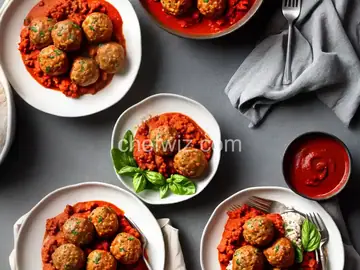
Dutch Oven No Mai Fan
Rate this recipeBe the first to rate
 By AprilPublished
 When it comes to cooking, having the right tools can make all the difference.
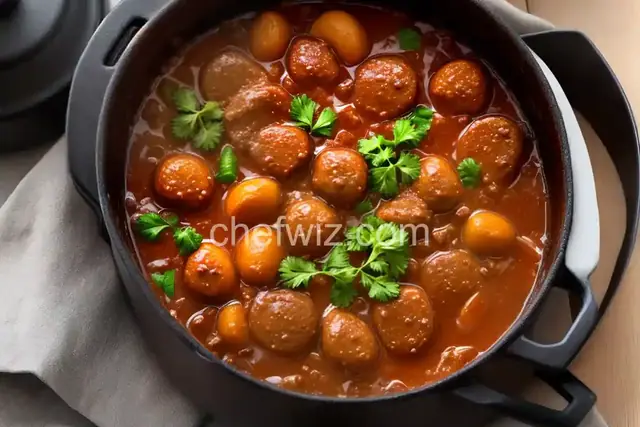 By AprilPublished
 When it comes to cooking, having the right tools can make all the difference.
Rinse the glutinous rice and jasmine rice in a medium bowl with cold water until the water runs clear. Drain the rice well and set it aside.
In a small Dutch oven or large saucepan, combine the shallots, garlic, and oil. Cook over medium-high heat, stirring occasionally, until the shallots are tender and starting to turn golden brown around the edges (approximately 3 minutes).
Reduce the heat to medium and add the lap cheong (Chinese sausage) and mushrooms. Cook, stirring occasionally, until the mushrooms are browned in spots (approximately 3 minutes).
Stir in the dark soy sauce, oyster sauce, and the reserved rice.
Pour in the broth and season with salt. Stir to combine everything. Bring the mixture to a simmer, then reduce the heat to low.
Cover the pot and cook for 20-25 minutes, or until the rice is tender.
Remove the pot from the heat and stir in the peas, ½ cup of cilantro, and ½ cup of scallions.
Transfer the cooked rice to a platter and garnish with more cilantro and scallions on top.
When it comes to cooking, having the right tools can make all the difference. And one tool that has stood the test of time is the Dutch oven. This versatile and reliable piece of cookware has been a staple in kitchens around the world for centuries. But what exactly is a Dutch oven, and why should it be a part of your culinary arsenal?
Imagine a cooking vessel that combines the best qualities of a pot, a pan, and an oven. That's exactly what a Dutch oven is. Made from heavy-duty cast iron or enameled cast iron, this sturdy pot with a tight-fitting lid is designed to retain heat and distribute it evenly. The result? Perfectly cooked meals every time.
Whether you're simmering stews, braising meats, baking bread, or even frying chicken, the Dutch oven can do it all. Its versatility knows no bounds, making it a must-have tool for any aspiring home chef.
So, what sets the Dutch oven apart from other cookware options? It's all about the construction and design. The thick walls and heavy lid of a Dutch oven allow for excellent heat retention and distribution. This means your food will cook evenly and stay warm for longer periods. Plus, the tight-fitting lid helps to lock in moisture, ensuring tender and flavorful results.
Another great advantage of a Dutch oven is its durability. Made from high-quality materials, this kitchen workhorse can last a lifetime with proper care. It can withstand high temperatures, making it suitable for stovetop cooking, oven baking, and even outdoor campfire cooking.
The Dutch oven truly shines when it comes to certain recipes. From slow-cooked stews and hearty soups to succulent roasts and crusty bread, the possibilities are endless. The even heat distribution of a Dutch oven ensures that your dishes are cooked to perfection, with flavors that are rich and complex.
One classic recipe that is elevated by the Dutch oven is the Coq au Vin. This French braised chicken dish benefits from the slow and gentle cooking process that a Dutch oven provides. The flavors meld together beautifully, creating a dish that is warm, comforting, and utterly delicious.
Another dish that is a natural fit for the Dutch oven is the no-knead bread. The thick walls of the pot create the perfect environment for baking bread, resulting in a crispy crust and a soft, airy interior. The Dutch oven traps steam, mimicking the effects of a professional bread oven.
Proper care and maintenance are crucial to ensure your Dutch oven lasts a lifetime. After each use, make sure to wash it with warm, soapy water and dry it thoroughly. Avoid using harsh detergents or abrasive scrubbers, as they can damage the seasoning or enamel coating.
To maintain the seasoning or enamel, it's important to periodically apply a thin layer of oil to the interior and exterior surfaces. This helps to prevent rust and keeps your Dutch oven in top condition.
From its versatility in the kitchen to its durability and longevity, the Dutch oven is truly a culinary powerhouse. With the ability to cook a wide range of recipes to perfection, it's no wonder why this essential kitchen tool has stood the test of time.
Answer: Yes, a Dutch oven can be used on a glass stovetop. Just make sure to lift it when moving it around to prevent scratching the surface.
Answer: Absolutely! A Dutch oven is oven-safe and can withstand high temperatures.
Answer: To season a cast iron Dutch oven, coat the interior and exterior with a thin layer of oil and bake it in the oven at a low temperature for about an hour.
Answer: Yes, a Dutch oven is excellent for frying due to its ability to maintain a consistent temperature.
Answer: Absolutely! A Dutch oven is perfect for baking bread as it creates a steamy environment that results in a crispy crust.
Answer: Yes, a Dutch oven is ideal for making soup as it distributes heat evenly and retains moisture.
Answer: Yes, a Dutch oven is perfect for cooking on a campfire. Just make sure to use heat-resistant gloves when handling.
Answer: It's best to hand wash your Dutch oven to avoid damaging the seasoning or enamel coating. Dishwashers can be too harsh.
AprilCook, recipe developer and the heart of Chefwiz. More about April