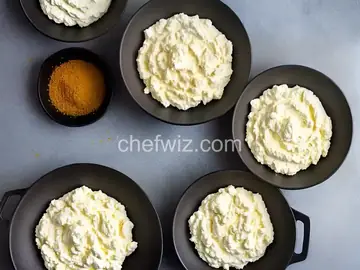
When it comes to enjoying a seafood feast, there's nothing quite like dipping succulent lobster, crabs, or clams into a warm, velvety pool of drawn butter. The rich, buttery flavor enhances the natural sweetness of the seafood, creating a taste sensation that is simply irresistible. But what exactly is drawn butter, and how do you make it? Let's dive in and discover the secrets to creating the perfect accompaniment for your steamed seafood.
What is Drawn Butter?
Drawn butter, also known as clarified butter, is a type of butter that has been melted and separated from the milk solids and water content. This process removes impurities and creates a pure, golden liquid that is smooth and velvety in texture. The milk solids are discarded, leaving behind a butter that has a higher smoke point and a longer shelf life compared to regular butter. This makes drawn butter ideal for dipping seafood, as it won't burn easily and can be kept warm for an extended period of time.
How to Make Drawn Butter
Making drawn butter is a simple process that requires just a few steps. Here's how you can do it:
- Start by melting unsalted butter in a saucepan over low heat. As the butter melts, you will notice that it separates into three layers: foam on top, clear liquid in the middle, and milk solids at the bottom.
- Skim off the foam using a spoon or a ladle. This foam consists of water and impurities that you want to remove.
- Gently pour the clear liquid into a separate container, leaving the milk solids behind in the saucepan. Be careful not to pour the milk solids into the container, as they can affect the purity and taste of the drawn butter.
- Discard the milk solids or save them for another use, such as adding flavor to mashed potatoes or sautéing vegetables.
- Your drawn butter is now ready to be served. Keep it warm by placing it in a fondue pot or a small, heatproof dish set over a tealight candle.
Tips for the Perfect Drawn Butter
To ensure that your drawn butter turns out perfectly every time, here are a few tips to keep in mind:
- Use unsalted butter to have better control over the saltiness of the final product.
- Choose high-quality butter for the best flavor. Look for butter made from grass-fed cows, as it tends to have a richer taste.
- Be patient when melting the butter over low heat. Rushing the process can result in burnt or unevenly clarified butter.
- Skim off the foam carefully to remove impurities. This step is crucial for achieving a smooth and clear drawn butter.
- Store any leftover drawn butter in an airtight container in the refrigerator. It can be reheated gently before serving.
Frequently asked questions
- . Can I use salted butter to make drawn butter?
While it is possible to use salted butter, it's best to use unsalted butter to have better control over the saltiness of the final product. This allows you to season the drawn butter to your taste.
- . Can I use drawn butter for other dishes?
Absolutely! Drawn butter can be used for a variety of dishes. It adds a delightful richness and flavor to mashed potatoes, roasted vegetables, and even pancakes.
- . Can I clarify butter in the microwave?
Yes, you can. Simply melt the butter in a microwave-safe container, let it sit for a few minutes, and then carefully skim off the foam. Be cautious when handling the hot container.
- . How long can I keep drawn butter?
Drawn butter can be kept in the refrigerator for up to two weeks. Make sure to store it in an airtight container to maintain its freshness.
- . Can I freeze drawn butter?
Yes, you can freeze drawn butter. Transfer it to a freezer-safe container and store it for up to three months. Thaw it in the refrigerator before reheating.
- . Can I add herbs or spices to drawn butter?
Absolutely! Adding herbs, such as parsley or dill, or spices, like garlic or paprika, can elevate the flavor of drawn butter and complement your seafood dishes.
- . Can I reheat drawn butter?
Yes, you can gently reheat drawn butter over low heat or in the microwave. Be careful not to overheat it, as the butter can separate.
- . Can I use margarine to make drawn butter?
It's best to use butter for making drawn butter, as margarine contains additional ingredients and may not result in the same quality and flavor.
In conclusion, drawn butter is a simple yet indulgent accompaniment for steamed lobster, crabs, or clams. By following a few easy steps, you can create a velvety, golden liquid that enhances the natural flavors of your seafood. So, the next time you're enjoying a seafood feast, don't forget to dip into the decadence of drawn butter!
 By AprilPublished