Deep-Fried Turkey
Rate this recipeBe the first to rate
 By AprilPublished
 Are you tired of the same old roasted turkey every Thanksgiving?
 By AprilPublished
 Are you tired of the same old roasted turkey every Thanksgiving?
Prepare the frying equipment by filling a turkey fryer or large stockpot with enough oil for frying the turkey, ensuring there is space for the turkey without the oil spilling over. Heat the oil to 400 degrees F (200 degrees C).
Layer a large platter with food-safe paper bags.
Rinse the turkey and pat it dry with paper towels. Rub the seasoning both inside the cavity and all over the outer surfaces. Make sure the neck hole is open at least 2 inches to allow the oil to flow freely into the cavity.
Turn off the heat source. Place a whole onion into the drain basket and then place the turkey into the basket, starting with the neck-end. Slowly lower the basket into the fryer until the turkey is completely submerged in oil.
Turn on the heat source and cook the turkey, maintaining the oil temperature at 350 degrees F (175 degrees C), until it is no longer pink at the bone and the juices run clear. This should take about 45 minutes, or approximately 3 1/2 minutes per pound.
Carefully remove the basket from the fryer and allow the turkey to drain. Use an instant-read thermometer to check the thickest part of the thigh, near the bone. The temperature should read at least 165 degrees F (74 degrees C), but no more than 180 degrees F (80 degrees C).
Transfer the turkey to the prepared platter
Are you tired of the same old roasted turkey every Thanksgiving? Why not try something different and adventurous this year? Deep-frying a turkey might sound intimidating, but trust me, it's worth the effort. In this article, we will delve into the world of deep-fried turkey and explore why it has become a popular alternative to traditional roasting methods.
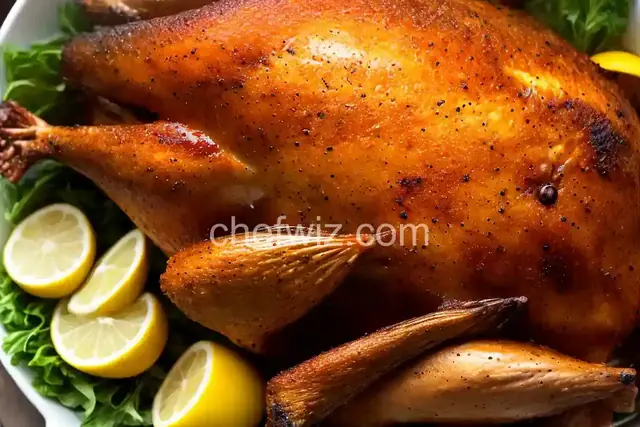
Imagine sinking your teeth into a juicy, tender turkey with a crispy, golden exterior. Deep-frying your turkey achieves just that. The high heat of the oil seals in the turkey's natural juices, resulting in a moist and flavorful meat. The skin turns into a delectable, crackling crust that is sure to impress your guests.
One of the biggest advantages of deep-frying a turkey is the speed at which it cooks. Unlike traditional roasting methods that can take hours, deep-frying reduces the cooking time significantly. The hot oil ensures that the turkey cooks evenly from all sides, resulting in a perfectly done bird in no time.
Deep-frying a turkey allows you to experiment with different flavors and seasonings. You can inject marinades or rub your turkey with a variety of spices to infuse it with incredible taste. The high heat of the oil helps to intensify the flavors, making each bite a culinary delight.
Before you embark on your deep-frying adventure, it's crucial to prioritize safety. Deep-frying involves working with hot oil, so it's important to follow proper precautions. Ensure that you choose a well-ventilated outdoor area and keep a fire extinguisher handy. Make sure your turkey is completely thawed and dry before submerging it in the oil to avoid any accidents.
To deep-fry a turkey, you'll need a specialized equipment called a turkey fryer. These fryers are specifically designed to handle the high heat and large size of a turkey. They consist of a propane burner, a large pot for the oil, and a basket or hanger to hold the turkey. It's essential to invest in a high-quality fryer to ensure a safe and successful frying experience.
The type of oil you choose for deep-frying your turkey can greatly impact the taste and texture of the final product. Peanut oil is a popular choice due to its high smoke point and ability to enhance the natural flavors of the turkey. However, other oils like canola or vegetable oil can also be used. Just make sure to avoid oils with low smoke points that can break down and create undesirable flavors.
Now that you have all the necessary information, let's walk through the step-by-step process of deep-frying a turkey:
Deep-frying a turkey is a unique and exciting way to elevate your holiday feast. The crispy skin, juicy meat, and enhanced flavors will leave your guests craving for more. Remember to follow safety guidelines and choose the right equipment to ensure a successful frying experience. So, why not break away from tradition this year and give deep-fried turkey a try?
Deep-frying a turkey can be safe as long as you follow proper safety precautions, such as working in a well-ventilated area and keeping a fire extinguisher nearby.
The cooking time for a deep-fried turkey is usually around 3-4 minutes per pound. However, it's important to always check the internal temperature to ensure it reaches the recommended safe level.
It is possible to reuse the oil for deep-frying, but it's important to strain and store it properly. Make sure to remove any food particles and store the oil in a cool, dark place to maintain its quality.
No, it is not safe to deep-fry a frozen turkey. Thaw your turkey completely and ensure it is dry before submerging it in the hot oil to avoid any accidents.
Yes, you can deep-fry other meats like chicken or duck using the same method. Just make sure to adjust the cooking time accordingly based on the size and type of meat.
No, it is not recommended to stuff a turkey before deep-frying. The stuffing can absorb hot oil and become a fire hazard. It's best to cook the stuffing separately.
No, deep-frying a turkey should always be done outdoors in a well-ventilated area to prevent any safety hazards.
After deep-frying, allow the oil to cool completely, then strain it to remove any food particles. You can either dispose of it properly or recycle it if possible.
AprilCook, recipe developer and the heart of Chefwiz. More about April