Deep Fried Pork Steak
Rate this recipeBe the first to rate
 By AprilPublished
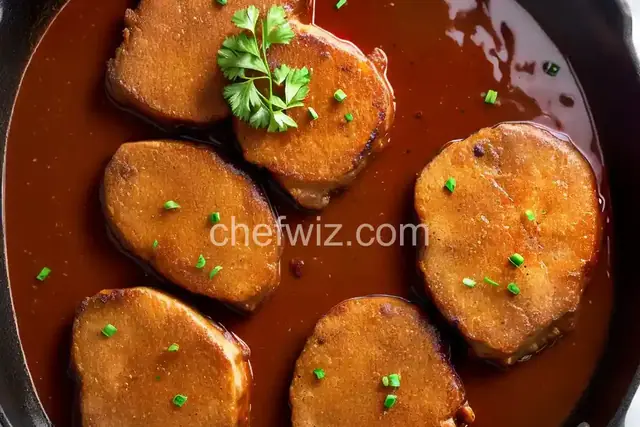
 Who doesn't love a crispy, juicy pork steak? Deep frying takes this classic dish to a whole new level, with its golden brown crust and tender, flavorful meat.
 By AprilPublished
 Who doesn't love a crispy, juicy pork steak? Deep frying takes this classic dish to a whole new level, with its golden brown crust and tender, flavorful meat.
Heat the oil in a deep fryer to 375 degrees F (190 degrees C).
In a large resealable plastic bag, combine the flour, garlic powder, seasoned salt, chili powder, cinnamon, coriander, basil, cumin, ground turmeric, paprika, and salt.
Add the pork steaks to the bag one at a time, seal it, and shake to coat the steaks evenly.
Place one pork steak at a time into the hot oil and cook until it turns a deep brown color and floats.
Remove the cooked pork steak from the oil and place it on paper towels to drain excess oil.
Repeat the process with the remaining pork steaks.
Please note that the nutritional value of the oil used for frying may vary based on factors such as cook time, temperature, ingredient density, and the specific type of oil used. The provided nutritional information is based on a retention value of 10% after cooking.
Who doesn't love a crispy, juicy pork steak? Deep frying takes this classic dish to a whole new level, with its golden brown crust and tender, flavorful meat. In this article, we will explore the art of deep frying pork steak to perfection. So, grab your apron and let's get cooking!
Before we dive into the deep frying process, it's crucial to select the right cut of pork steak. Look for well-marbled meat with a good amount of fat. This fat will render during frying, resulting in a moist and succulent steak. A boneless pork shoulder or pork loin steak works best for deep frying.
Start by patting the pork steak dry with paper towels. This step helps ensure a crispy crust. Then, season the steak with your favorite spices or a simple salt and pepper rub. Allow the meat to sit at room temperature for 15-20 minutes to absorb the flavors.
Now comes the exciting part - deep frying! Heat vegetable oil in a deep fryer or a large, deep skillet. The oil should reach a temperature of around 375째F (190째C). Carefully lower the seasoned pork steak into the hot oil, making sure it's fully submerged. Fry for about 4-5 minutes per side, or until the steak is golden brown and cooked through.
To achieve that perfect crispy exterior, here are a few tips:
Once your deep-fried pork steak is ready, it's time to serve it up! Pair it with some mashed potatoes, roasted vegetables, or a fresh salad for a complete and satisfying meal. Don't forget to garnish with some fresh herbs for an added touch of flavor and visual appeal.
Deep frying pork steak elevates this classic dish to a whole new level of deliciousness. With the right cut of meat, proper seasoning, and careful frying technique, you can achieve a crispy, golden brown crust and tender, juicy meat. So, why not give it a try and indulge in the ultimate pork steak experience?
While vegetable oil is commonly used for deep frying due to its high smoke point, you can experiment with other oils like peanut oil or canola oil for a different flavor profile.
It's best to thaw the pork steak completely before deep frying to ensure even cooking and avoid any potential safety risks.
Use a meat thermometer to check the internal temperature of the steak. It should reach 145째F (63째C) for safe consumption.
It's generally recommended to discard the frying oil after each use, as it can become rancid and affect the flavor of future dishes.
Yes, you can use a deep skillet or a Dutch oven filled with enough oil to fully submerge the steak. Just make sure to maintain a consistent temperature and use caution when handling hot oil.
Allow the steak to cool completely, then store it in an airtight container in the refrigerator for up to 3 days. Reheat in a preheated oven or skillet to maintain its crispiness.
Deep frying bone-in pork steak is possible, but it may require slightly longer cooking time to ensure the meat near the bone is fully cooked.
Allow the oil to cool completely, strain it to remove any food particles, and store it in a sealed container. You can reuse the oil for frying other dishes or dispose of it properly.
AprilCook, recipe developer and the heart of Chefwiz. More about April