Dandelion Jelly
Rate this recipeBe the first to rate
 By AprilPublished
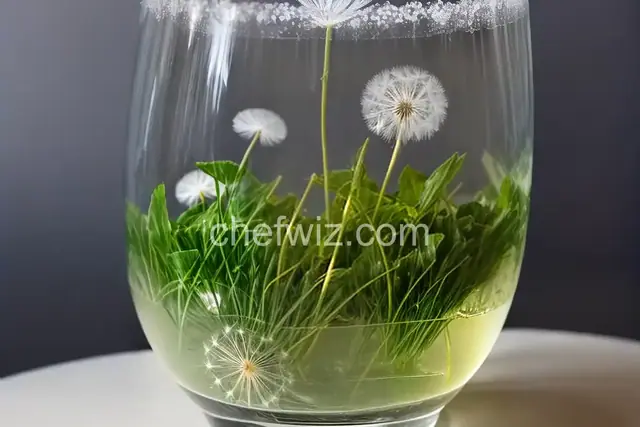
 Have you ever wondered if the vibrant yellow flowers that dot your lawn could be transformed into a delectable treat?
 By AprilPublished
 Have you ever wondered if the vibrant yellow flowers that dot your lawn could be transformed into a delectable treat?
Heat water in a large pot until it starts to simmer.
Add 2 cups of dandelion petals to the simmering water and let them cook for 10 minutes.
Using a slotted spoon, remove the petals from the pot and strain the liquid into a bowl. Squeeze out as much liquid from the petals as possible and discard the petals.
Repeat the process with the remaining 2 cups of dandelion petals.
Measure out 3 cups of the dandelion-infused water. If needed, add tap water to make up the difference.
Pour the measured water into a large pot and add lemon juice, pectin, and yellow food coloring.
Bring the mixture to a rolling boil.
Add sugar to the pot and bring the mixture back to a boil.
Stir the mixture constantly for about 1 minute.
Remove the pot from the heat and skim off any foam that may have formed on the surface.
Fill hot, sterilized jars with the mixture, leaving 1/4 inch of space at the top.
Use a clean knife or thin spatula to remove any air bubbles from the jars.
Wipe the rims of the jars with a moist paper towel to remove any residue.
Place the lids on the jars and screw on the rings.
Fill a large pot halfway with water and place a rack at the bottom.
16.
Have you ever wondered if the vibrant yellow flowers that dot your lawn could be transformed into a delectable treat? Well, wonder no more! Dandelion jelly is a delightful spread that captures the essence of these sunny blossoms in a jar. In this article, we will explore the process of making dandelion jelly and discover why it is a unique and delicious addition to any pantry.
Before we delve into the world of dandelion jelly, let's take a moment to appreciate the beauty and resilience of these common weeds. Dandelions are like nature's little suns, brightening up our landscapes with their golden hues. They may be considered a nuisance by some, but they are truly remarkable plants that have been used for medicinal and culinary purposes for centuries.
Creating dandelion jelly is a labor of love that requires patience and careful attention to detail. The first step is to gather a basketful of fresh dandelion blossoms, making sure to pluck them from an area that is free from pesticides or other harmful chemicals. Once you have collected enough flowers, it's time to start the jelly-making process.
Infusing the essence of dandelions into the jelly is a crucial step that gives it its unique flavor. To do this, you will need to steep the dandelion petals in boiling water, much like making a tea. This process allows the vibrant color and delicate floral notes of the dandelions to infuse into the liquid, creating a base for the jelly.
Once the dandelion infusion is ready, it's time to transform it into jelly. This involves adding sugar, lemon juice, and pectin to the liquid and boiling it until it reaches the desired consistency. The sugar not only sweetens the jelly but also acts as a natural preservative. The lemon juice adds a touch of tartness, balancing out the sweetness of the dandelion flavor.
Dandelion jelly is more than just a delicious spread. It is a celebration of nature's abundance and a reminder that beauty can be found even in the most unexpected places. The delicate floral flavor of the dandelions, combined with the golden hue of the jelly, is a feast for the senses.
Dandelion jelly is incredibly versatile and can be enjoyed in many ways. Spread it on a warm slice of toast, drizzle it over pancakes, or use it as a glaze for roasted meats. Its unique flavor profile adds a touch of sophistication to both sweet and savory dishes. Pair it with a creamy cheese for a delightful contrast or use it as a filling for homemade pastries.
One of the reasons dandelion jelly is so special is its association with spring. When the cold winter months give way to the warmth of the sun, dandelions emerge, signaling the arrival of a new season. By capturing the essence of these vibrant flowers in a jar, we can savor the taste of spring all year round.
Dandelion jelly is a delightful and unique treat that captures the essence of these vibrant flowers in a jar. Its versatility and spring-like flavors make it a must-have in any pantry. So, why not embrace the beauty of dandelions and indulge in a taste of nature's sunshine? Gather those blossoms, infuse some love, and enjoy the golden goodness of dandelion jelly!
Yes, dandelions are safe to eat as long as they are free from chemicals and pesticides. However, it's best to consume them in moderation.
Absolutely! Dandelion jelly can be used in any recipe that calls for regular jelly. Its unique flavor will add a delightful twist to your dishes.
When stored in a cool, dark place, dandelion jelly can last for up to a year. However, it's so delicious that it likely won't last that long!
Yes, you can make dandelion jelly without pectin by using natural alternatives like apple peels or lemon seeds. However, this may result in a slightly different texture and consistency.
Yes, you can freeze dandelion jelly to extend its shelf life. Just make sure to use freezer-safe containers and leave some room for expansion.
While dandelions are the traditional choice for jelly-making, you can experiment with other edible flowers like violets or elderflowers for a unique twist.
Yes, dandelion jelly is naturally gluten-free, making it a great option for those with gluten sensitivities or allergies.
Selling homemade dandelion jelly may be subject to local regulations and permits. It's best to check with your local authorities before selling any homemade food products.
While fresh dandelion petals are preferred for making jelly, you can use dried petals in a pinch. Just remember to adjust the quantities accordingly, as dried petals are more concentrated in flavor.
AprilCook, recipe developer and the heart of Chefwiz. More about April