Southern Collard Greens
Rate this recipeBe the first to rate
 By AprilPublished
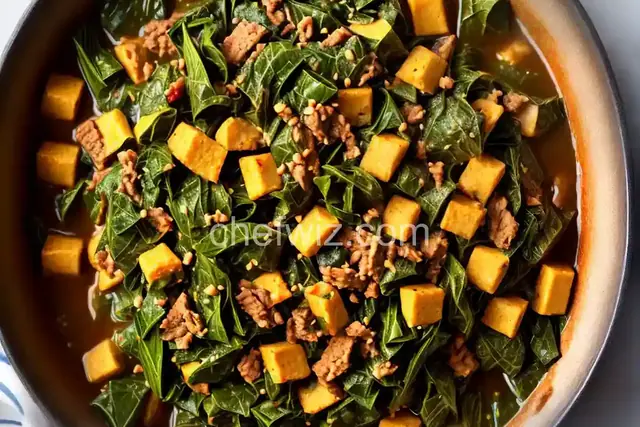
 When it comes to soul food, few dishes can rival the comforting and flavorful experience of Southern Collard Greens.
 By AprilPublished
 When it comes to soul food, few dishes can rival the comforting and flavorful experience of Southern Collard Greens.
In a large pot with a secure lid, combine the water and ham hock. Bring to a boil.
Reduce the heat to a very low setting and cover the pot. Allow it to simmer for 30 minutes.
Incorporate the collards and hot pepper flakes into the pot. Cover and continue simmering for approximately 2 hours, stirring occasionally.
Pour in the vegetable oil and cover the pot. Simmer for an additional 30 minutes.
When it comes to soul food, few dishes can rival the comforting and flavorful experience of Southern Collard Greens. These dark, leafy greens have been a staple in Southern cuisine for generations, and for good reason. Their rich history and delectable taste make them a must-try for any food lover.
Collard greens have a fascinating history that dates back to ancient times. This leafy green vegetable is believed to have originated in the Mediterranean region before making its way to the American South through the African diaspora. Enslaved Africans brought their culinary traditions with them, including the love for leafy greens.
Collard greens quickly became an integral part of Southern cuisine, especially among African American communities. They were affordable, readily available, and packed with essential nutrients. Over the years, collard greens became a symbol of resilience and cultural identity.
While collard greens may seem simple to prepare, achieving that perfect texture and flavor requires some know-how. The key lies in the cooking method and seasoning.
Traditionally, collard greens are slow-cooked with smoked meat, such as ham hocks or smoked turkey, to infuse them with a smoky, savory flavor. The greens are simmered for hours until they become tender and develop a melt-in-your-mouth consistency.
Seasoning is equally important. A combination of onions, garlic, and spices like red pepper flakes or smoked paprika adds depth and complexity to the dish. A splash of vinegar or a squeeze of lemon juice at the end brightens up the flavors and cuts through the richness.
Aside from their delicious taste, collard greens are packed with nutrients that promote overall health. These greens are a great source of vitamins A, C, and K, as well as folate and calcium. They are also rich in fiber, which aids in digestion and supports gut health.
Including collard greens in your diet can help boost your immune system, improve bone health, and even reduce the risk of chronic diseases like heart disease and certain types of cancer. Plus, they are low in calories, making them an excellent addition to any weight-conscious meal plan.
While collard greens shine on their own, they are also a versatile ingredient that can be used in various dishes. Whether you're adding them to soups, stews, or stir-fries, collard greens bring a unique flavor and texture to any recipe.
For a twist on a classic, try using collard greens as a wrap instead of traditional tortillas. The sturdy leaves are perfect for holding fillings like grilled chicken, roasted vegetables, or even tofu. It's a healthier alternative that adds an extra layer of flavor to your favorite wraps.
Southern Collard Greens are more than just a side dish; they are a testament to the rich history and culture of the American South. Their deep flavors, tender texture, and health benefits make them a soulful delight that should not be missed. So, next time you're looking for comfort food with a touch of tradition, give collard greens a try.
No, collard greens and kale are different leafy greens. While they belong to the same family, they have distinct flavors and textures.
Absolutely! Collard greens freeze well and can be stored for several months. Just blanch them quickly before freezing to retain their color and nutrients.
Collard greens are naturally vegan and can be enjoyed by anyone following a plant-based diet.
Yes, you can use other smoked meats like bacon or smoked sausage to add flavor to your collard greens.
Collard greens typically take about 1-2 hours to cook until they are tender. However, the longer you cook them, the more flavorful they become.
While collard greens have a unique taste, you can substitute them with other leafy greens like kale or mustard greens in recipes.
To clean collard greens, remove the tough stems, and wash the leaves thoroughly under running water to remove any dirt or grit.
Yes, frozen collard greens can be used as a convenient alternative to fresh ones. Just thaw them before cooking.
AprilCook, recipe developer and the heart of Chefwiz. More about April