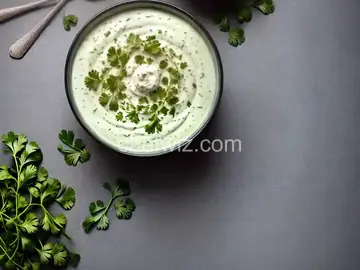
Culantro Pesto
Rate this recipeBe the first to rate
 By AprilPublished
 Do you ever find yourself in a culinary rut, using the same herbs and spices over and over again?
 By AprilPublished
 Do you ever find yourself in a culinary rut, using the same herbs and spices over and over again?
In a food processor, mix together the garlic, salt, pepper (to your liking), and pine nuts.
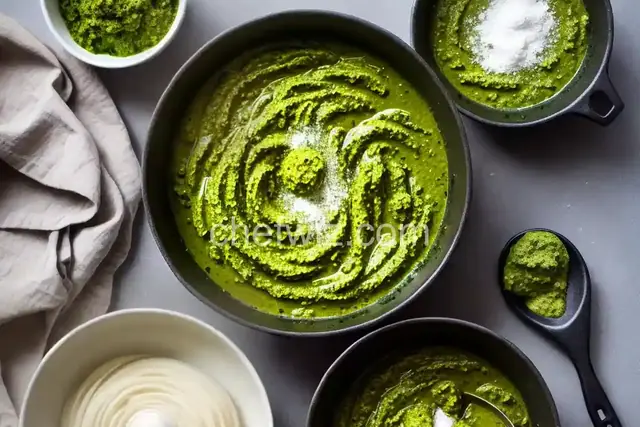
Pour in the oil and culantro, then blend until the mixture becomes smooth.
Add the cheese and pulse a few times to combine it into the mixture.
Transfer the mixture into an airtight container, and it can be stored in the refrigerator for up to 1 week or in the freezer for up to 4 months.
Do you ever find yourself in a culinary rut, using the same herbs and spices over and over again? If you're looking to add a burst of flavor to your dishes, it's time to explore the world of culantro pesto. This lesser-known herb is a game-changer in the kitchen, offering a unique and vibrant twist to your favorite recipes.
Culantro, also known as Mexican coriander or long coriander, is a leafy herb with a strong, pungent flavor. While it may resemble its cousin, cilantro, in appearance, culantro has a distinct taste that sets it apart. Its leaves are long and serrated, giving it a unique texture that adds depth to any dish.
One of the greatest things about culantro is its versatility. Whether you're using it in soups, stews, marinades, or even as a garnish, culantro can elevate your dishes to new heights. Its intense flavor adds complexity and richness, making it a favorite among chefs and home cooks alike.
One of the most popular ways to use culantro is by making culantro pesto. Similar to traditional basil pesto, culantro pesto combines the herb with garlic, nuts, cheese, and olive oil to create a vibrant and flavorful sauce. The result is a condiment that can be used in a variety of dishes, from pasta and sandwiches to grilled meats and roasted vegetables.
Making culantro pesto is a simple and straightforward process. All you need are a few basic ingredients and a blender or food processor. Start by gathering fresh culantro leaves, garlic cloves, nuts (such as pine nuts or almonds), grated cheese (Parmesan or Pecorino Romano work well), olive oil, and a pinch of salt and pepper.
Next, add the culantro leaves, garlic cloves, nuts, and grated cheese to the blender or food processor. Pulse the ingredients until they are roughly chopped. Then, slowly drizzle in the olive oil while continuing to blend until the mixture reaches a smooth and creamy consistency. Finally, season with salt and pepper to taste.
Once your culantro pesto is ready, you can store it in an airtight container in the refrigerator for up to a week. Use it as a spread on sandwiches, a sauce for pasta, a dip for veggies, or a marinade for meats. The possibilities are endless!
While cilantro and culantro may look similar, their flavors are quite different. Cilantro has a lighter and more citrusy taste compared to the pungent and robust flavor of culantro. While you can use cilantro as a substitute in some recipes, the end result may not be the same.
Culantro can be found in many grocery stores, particularly those that cater to Latin American or Caribbean cuisines. You can also try your local farmer's market or consider growing it in your own herb garden.
Yes, you can freeze culantro pesto for longer storage. Simply transfer it to an airtight container or ice cube trays and freeze. Thaw in the refrigerator overnight before using.
Culantro pesto pairs well with a variety of dishes. It adds a zesty kick to pasta, grilled meats, roasted vegetables, and even pizza. Get creative and experiment with different flavor combinations!
Absolutely! Culantro pesto makes an excellent marinade for meats, seafood, and tofu. Simply coat your protein of choice with the pesto and let it marinate for at least 30 minutes before cooking.
Culantro itself is not spicy, but it does have a strong flavor. If you prefer a milder version of culantro pesto, you can adjust the amount of garlic and spices to your liking.
Yes, you can easily make culantro pesto vegan-friendly by omitting the cheese or using a vegan substitute. The pesto will still be packed with flavor and add a delightful twist to your plant-based dishes.
Like cilantro, culantro is rich in vitamins and minerals. It is known for its antioxidant properties and has been used in traditional medicine for its potential health benefits. However, as with any herb or supplement, it's always best to consult with a healthcare professional before making any significant dietary changes.
In conclusion, culantro is a versatile herb that can take your cooking to new heights. Whether you're making culantro pesto or using it in other dishes, its unique flavor and vibrant twist will leave your taste buds wanting more. So, why not give culantro a try and add some zest to your next culinary adventure?
AprilCook, recipe developer and the heart of Chefwiz. More about April