Tomato Jam
Rate this recipeBe the first to rate
 By AprilPublished
 Have you ever wondered what to do with those excess tomatoes from your garden?
 By AprilPublished
 Have you ever wondered what to do with those excess tomatoes from your garden?
Fill a large saucepan with water and bring it to a boil.
Use a paring knife to remove the stem end of each tomato, then make a shallow X-shaped cut on the bottom.
Place the tomatoes in the boiling water for about 30 seconds or until their skins start to loosen. Use a slotted spoon to remove them and let them cool.
Once the tomatoes are cool enough to handle, peel off their skins. Discard the water used for boiling, but keep the saucepan for later use.
Cut the tomatoes in half horizontally and gently remove the seeds and juice. Cut the tomatoes into 1/2-inch (1.5-cm) pieces.
Put the tomatoes back into the saucepan and add the sugar, pepper, and salt. Cook over medium heat, stirring regularly to ensure even cooking, until most of the liquid has evaporated. If foam forms on top, skim it off with a large spoon. Remove from heat and stir in the lemon juice.
Transfer the jam into clean jars, making sure to cover them tightly. Allow the jam to cool, then refrigerate it.
The jam will stay fresh in the refrigerator for at least 6 months.
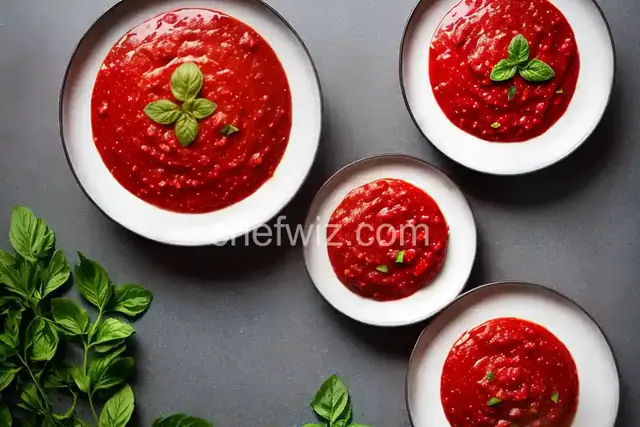
Have you ever wondered what to do with those excess tomatoes from your garden? Look no further! Tomato jam is the perfect solution to make the most out of your ripe tomatoes. In this article, we will explore the wonders of tomato jam, its versatility, and how to make it at home.
Tomato jam is not your ordinary condiment. It is a sweet and savory spread that can elevate any dish. Imagine a burst of tangy and slightly sweet flavors complementing your favorite cheese or grilled meat. Tomato jam can be used as a topping for crostini, a glaze for roasted vegetables, or even as a sauce for your homemade pizzas. The possibilities are endless!
What makes tomato jam so special is its unique combination of sweet and savory flavors. It's like a dance of contrasts in your mouth. The sweetness of the tomatoes is balanced by the tanginess of vinegar, and a touch of spice adds a delightful kick. The result is a harmonious blend of flavors that will leave you craving for more.
Unlike regular tomato sauce, tomato jam is cooked down to a thick and concentrated consistency. This intensifies the flavors and creates a burst of taste in every bite. The slow cooking process allows the natural sugars in the tomatoes to caramelize, adding depth and complexity to the jam. It's like capturing the essence of summer in a jar!
Making tomato jam at home is easier than you might think. All you need are ripe tomatoes, sugar, vinegar, and a few spices to enhance the flavors. Start by blanching the tomatoes to remove the skin, then chop them into small pieces. Cook the tomatoes with sugar, vinegar, and spices until the mixture thickens to a jam-like consistency. Finally, pour the hot jam into sterilized jars, let it cool, and refrigerate. Your homemade tomato jam is ready to enjoy!
Tomato jam is a versatile and flavorful condiment that can transform any dish. Its unique blend of sweet and savory flavors, along with its burst of taste, makes it a must-try addition to your culinary repertoire. With just a few simple steps, you can enjoy homemade tomato jam that will elevate your meals to the next level. So, why not give it a try and embark on a delicious adventure?
When stored properly in the refrigerator, tomato jam can last up to several weeks.
Yes, tomato jam can be frozen for future use. Just make sure to use freezer-safe containers.
While ripe tomatoes are preferred for their natural sweetness, you can use unripe tomatoes for a tangier jam.
Absolutely! Feel free to adjust the amount of sugar according to your taste preferences.
Common spices to enhance the flavors of tomato jam include cinnamon, ginger, cloves, and chili flakes.
Yes, tomato jam can be used as a filling for pastries or as a glaze for cakes. Get creative!
If you're not a fan of vinegar, you can use lemon juice as a substitute for a citrusy twist.
Yes, tomato jam can be canned using proper canning techniques to extend its shelf life.
AprilCook, recipe developer and the heart of Chefwiz. More about April