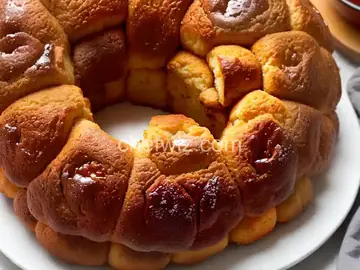
Croissants
Rate this recipeBe the first to rate
 By AprilPublished
 When it comes to baked goods, there's something truly special about croissants.
 By AprilPublished
 When it comes to baked goods, there's something truly special about croissants.
In a small bowl, combine warm water, yeast, and 1 teaspoon of sugar. Allow the mixture to stand for approximately 5 minutes, or until the yeast softens and forms a creamy foam.
Measure the flour into a mixing bowl. In a separate bowl, combine warm milk, 2 teaspoons of sugar, and salt. Blend the milk mixture, yeast mixture, and oil into the flour. Mix well and knead the dough until it becomes smooth.
Cover the dough and let it rise until it has tripled in volume, which should take around 3 hours.
Gently deflate the dough and let it rise again until it has doubled in size, which should take another 3 hours.
Deflate the dough and refrigerate it for 20 minutes.
Massage the butter until it becomes pliable but not soft and oily. Pat the dough into a 14x8-inch rectangle.
Spread the butter over the top two-thirds of the dough, leaving a 1/4-inch margin around the edges. Fold the unbuttered third over the middle third, and then fold the buttered top third down over that.
Turn the dough 90 degrees so that the folds are on the left and right. Roll it out into a 14x6-inch rectangle. Fold it in three again. Lightly sprinkle flour over the dough and place it in a resealable plastic bag. Refrigerate for
When it comes to baked goods, there's something truly special about croissants. These flaky, buttery pastries have become a staple in bakeries and cafes around the world. Whether enjoyed as a breakfast treat, a midday snack, or as a luxurious accompaniment to a meal, croissants never fail to delight the senses.
Did you know that croissants actually originated in Austria? Legend has it that during the 17th century, the Ottoman Empire attempted to invade Vienna. As a way to celebrate their victory, the bakers in the city created a pastry in the shape of the crescent moon, which was a symbol of the Ottoman Empire. This pastry eventually made its way to France, where it was perfected and transformed into the croissant we know and love today.
Making croissants is no easy feat. It requires precision, patience, and a whole lot of butter. The process involves creating a laminated dough, which is achieved by folding layers of butter into the dough multiple times. This creates the distinct flaky layers that make croissants so irresistible.
Butter is the star of the show when it comes to croissants. It's what gives them their rich, buttery flavor and creates that melt-in-your-mouth texture. The quality of the butter you use can make a big difference in the final result, so it's worth splurging on a high-quality, European-style butter.
Croissants are incredibly versatile and can be enjoyed in a variety of ways. They can be filled with sweet or savory ingredients, such as chocolate, almond paste, ham, or cheese. They can be served plain or toasted, and are delicious on their own or paired with your favorite spread or dip.
Is there anything better than starting your day with a warm, freshly baked croissant? Whether enjoyed with a cup of coffee or a glass of orange juice, a croissant can turn an ordinary morning into a delightful experience. Its flaky layers and buttery goodness are sure to put a smile on your face.
Looking for a quick pick-me-up in the middle of the day? A croissant is the perfect snack to satisfy your cravings. Its portable nature makes it easy to enjoy on the go, and its indulgent flavor will leave you feeling satisfied and energized.
Croissants can also be a sophisticated accompaniment to a meal. Serve them alongside a bowl of soup or a salad for a touch of elegance. The combination of flavors and textures will elevate any dish and impress your guests.
Croissants are a true culinary masterpiece. From their origins in Austria to their transformation into a beloved French pastry, croissants have captured the hearts of pastry lovers worldwide. Whether enjoyed for breakfast, as a snack, or as an elegant addition to a meal, croissants never fail to impress with their flaky layers and buttery goodness. So go ahead, indulge in a croissant and savor every bite.
Croissants are best enjoyed fresh, preferably on the day they are baked. However, if you have leftovers, you can store them in an airtight container at room temperature for up to two days. To refresh them, simply warm them up in the oven for a few minutes.
Yes, you can freeze croissants. Wrap them tightly in plastic wrap or place them in a freezer bag before storing them in the freezer. When you're ready to enjoy them, let them thaw at room temperature for a few hours, then warm them up in the oven.
Making croissants at home can be a bit challenging, but with practice and patience, it is definitely achievable. There are many step-by-step tutorials and recipes available online to guide you through the process. So don't be afraid to give it a try!
While butter is a key ingredient in traditional croissants, you can experiment with alternative fats such as margarine or vegetable shortening. However, keep in mind that the flavor and texture may be slightly different from the classic croissant.
Yes, you can make vegan croissants by using plant-based butter and milk instead of dairy products. There are plenty of vegan croissant recipes available that can help you recreate the flaky goodness without any animal products.
Croissants are a treat, and like any indulgent food, they do contain a fair amount of calories. On average, a croissant can range from 200 to 300 calories. However, it's important to remember that moderation is key, and enjoying a croissant occasionally as part of a balanced diet is perfectly fine.
Yes, there are gluten-free croissant options available for those with gluten sensitivities or dietary restrictions. These croissants are typically made with alternative flours, such as almond flour or rice flour, and can be found in specialty bakeries or made at home using gluten-free recipes.
Absolutely! Mini croissants, also known as croissants aux amandes, are a delightful bite-sized version of the classic croissant. They are often filled with almond paste and make for a perfect bite-sized treat.
AprilCook, recipe developer and the heart of Chefwiz. More about April