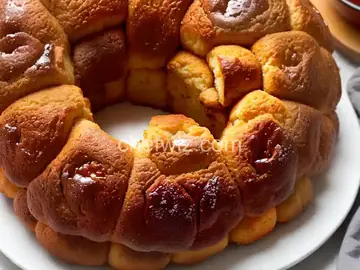
Danish Pastry
Rate this recipeBe the first to rate
 By AprilPublished
 Who doesn't love sinking their teeth into a flaky, buttery Danish pastry?
 By AprilPublished
 Who doesn't love sinking their teeth into a flaky, buttery Danish pastry?
In a medium bowl, combine the butter and 2/3 cup of flour until well mixed.
Divide the mixture into two equal parts and roll each half between two pieces of waxed paper to create a 6x12-inch sheet.
Place the butter sheets in the refrigerator to chill.
In a mixing bowl, combine 3 cups of flour and active dry yeast, setting it aside.
In a small saucepan, stir together the milk, sugar, and salt over medium heat until warm but not hot to the touch (around 115 degrees F or 43 degrees C).
Pour the warm milk mixture over the flour mixture.
Add the eggs, lemon extract, and almond extract to the mixture and stir for 3 minutes.
Gradually knead in the remaining flour, adding 1/2 cup at a time, until the dough is firm and pliable.
Cover the dough and let it rise at room temperature until it doubles in size, which should take around 30 minutes to 1 hour.
Once the dough has risen, cut it in half and roll each half into a 14-inch square.
Place one chilled butter sheet over half of each dough square, off to one side, and fold the dough over the butter sheet like a book cover.
Pinch the edges of the dough together to seal it.
Roll each piece of dough out to a
Who doesn't love sinking their teeth into a flaky, buttery Danish pastry? This delectable treat has captured the hearts (and taste buds) of people all around the world. Whether you enjoy it with a cup of coffee in the morning or as an indulgent dessert after dinner, Danish pastry never fails to satisfy. In this article, we will explore the history, flavors, and versatility of Danish pastry, and why it has become a beloved treat for every occasion.
Like many culinary delights, the origins of Danish pastry are shrouded in mystery. Some believe that it was brought to Denmark by Austrian bakers in the 19th century, while others claim that it has its roots in ancient Rome. Regardless of its exact beginnings, Danish pastry has evolved over time to become the flaky, sweet pastry we know and love today.
Danish pastry comes in a variety of flavors and fillings, making it a versatile treat for all taste preferences. From classic fruit fillings like cherry and apple to rich chocolate and almond fillings, there is a Danish pastry flavor for everyone. Some even come with a creamy custard filling that adds an extra layer of indulgence. The possibilities are endless when it comes to creating unique and delicious Danish pastries.
One of the most popular choices for Danish pastry fillings is classic fruit flavors. The tanginess of cherries or the sweetness of apples perfectly complements the buttery, flaky pastry. These fruity fillings add a burst of freshness to each bite, making them a delightful choice for any occasion.
If you're a chocolate lover, Danish pastries with chocolate fillings are sure to satisfy your cravings. The combination of the rich, velvety chocolate and the buttery pastry creates a heavenly flavor profile that is hard to resist. Whether it's a simple chocolate filling or a combination of chocolate and nuts, these pastries are a true indulgence.
For those who enjoy a nutty twist, Danish pastries with almond fillings are a must-try. The delicate almond flavor pairs perfectly with the flaky pastry, creating a delightful blend of textures and tastes. Almond fillings add a touch of sophistication to the pastry, making it an excellent choice for special occasions.
One of the reasons Danish pastry has gained such popularity is its versatility. Whether you're hosting a brunch, celebrating a birthday, or simply treating yourself, Danish pastries are the perfect choice. Their elegant appearance and delicious flavors make them a crowd-pleaser, no matter the occasion.
Furthermore, Danish pastries can be easily customized to suit different dietary preferences. With vegan, gluten-free, and dairy-free options available, no one has to miss out on the joy of indulging in a delicious Danish pastry.
Danish pastry is a treat that has stood the test of time. Its flaky, buttery texture combined with a variety of flavors and fillings make it a versatile and delightful choice for any occasion. Whether you're enjoying a classic fruit-filled pastry or indulging in a decadent chocolate creation, Danish pastry is sure to satisfy your cravings. So, the next time you're looking for a delicious treat, why not reach for a Danish pastry and experience pure bliss?
No, Danish pastries have gained popularity worldwide and are enjoyed by people in many countries.
Yes, you can! There are numerous recipes available online that provide step-by-step instructions for making Danish pastries from scratch.
Yes, Danish pastries can be made vegetarian-friendly by using plant-based ingredients for the fillings and pastry.
Freshly baked Danish pastries can stay fresh for a few days if stored in an airtight container at room temperature.
Yes, Danish pastries can be frozen for future consumption. Just make sure to wrap them tightly in plastic wrap or aluminum foil before freezing.
The calorie content of a Danish pastry can vary depending on its size and filling. On average, a medium-sized Danish pastry contains around 250-300 calories.
Yes, there are healthier alternatives available, such as whole wheat Danish pastries or those made with reduced sugar and healthier fillings.
Yes, Danish pastries can be reheated in the oven for a few minutes to restore their flakiness and enjoy them warm again.
AprilCook, recipe developer and the heart of Chefwiz. More about April