Cornbread Sticks
Rate this recipeBe the first to rate
 By AprilPublished
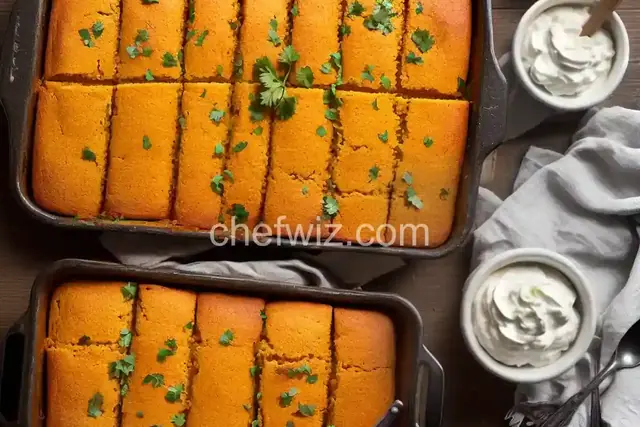
 Imagine sinking your teeth into a warm, golden-brown cornbread stick.
 By AprilPublished
 Imagine sinking your teeth into a warm, golden-brown cornbread stick.
Preheat the oven to 425 degrees F.
Place two 7-stick cast-iron corn stick molds in the oven and heat for at least 15 minutes.
In a medium saute pan, melt 4 tablespoons of butter over medium-high heat until it foams.
Add the jalapeno, scallions, and garlic to the pan and saute until softened, about 2 to 3 minutes.
Season the mixture with a little salt and set it aside to cool slightly.
In a large bowl, combine the cornmeal, flour, sugar, baking soda, and 1/2 teaspoon of salt.
In a small bowl, lightly whisk the buttermilk and egg until combined.
Make a well in the center of the dry ingredients and pour in the buttermilk mixture all at once.
Stir the two mixtures together just until combined.
Add the jalapeno mixture and any butter left in the pan to the bowl.
Stir in the cheddar cheese until well combined (the batter will be thick).
Remove the hot pans from the oven and brush them with the remaining 2 tablespoons of melted butter.
Divide the batter among the molds.
Place the pans back into the oven and bake for 10 to 12 minutes, or until the corn sticks are lightly golden and springy to the touch.
Imagine sinking your teeth into a warm, golden-brown cornbread stick. The buttery aroma fills the air as you take a bite, savoring the moist and fluffy texture. Cornbread sticks are the epitome of comfort food, offering a delectable combination of sweet and savory flavors. Whether enjoyed as a side dish or a snack on their own, these delightful treats never fail to satisfy. In this article, we will explore the history, versatility, and irresistible appeal of cornbread sticks.
Cornbread has a rich history dating back centuries. It originated from Native American cuisine, where corn was a staple crop. The Native Americans ground dried corn into a fine meal, which they used to make various dishes, including cornbread. As European settlers arrived in America, they embraced this versatile food and adapted it to suit their tastes. Over time, cornbread evolved into different forms, including the beloved cornbread sticks we know today.
One of the reasons cornbread sticks have remained popular is their incredible versatility. They can be enjoyed in numerous ways, whether as a side dish or the star of the show. Pair them with a warm bowl of chili, use them as a base for a mouthwatering breakfast sandwich, or serve them alongside your favorite barbecue dishes. Their ability to complement a wide range of flavors makes them a must-have in any culinary repertoire.
Achieving the perfect cornbread stick requires a few essential elements. The key lies in the balance of ingredients. Too much flour, and you risk a dry and crumbly texture. Too little sugar, and the cornbread may lack the desired sweetness. The secret is to find the right combination of cornmeal, flour, sugar, and leavening agents. Additionally, using buttermilk instead of regular milk adds a tangy flavor and ensures a moist result.
Baking cornbread sticks is a straightforward process that anyone can master. Begin by preheating your oven and greasing a cast-iron skillet or a cornbread stick mold. In a bowl, combine the dry ingredients, then add the wet ingredients. Stir until just combined, being careful not to overmix. Pour the batter into the prepared skillet or mold and bake until golden brown. The result? A batch of mouthwatering cornbread sticks ready to be devoured.
Yes, you can experiment with different flours. However, keep in mind that using cornmeal is essential for that authentic cornbread flavor and texture.
Absolutely! There are various egg substitutes you can use, such as applesauce, mashed bananas, or yogurt, to achieve the desired moistness and binding.
Certainly! Feel free to get creative and add ingredients like shredded cheese, diced jalapenos, or even bacon bits to enhance the flavor and texture of your cornbread sticks.
To keep your cornbread sticks fresh, store them in an airtight container at room temperature for up to three days. For longer storage, you can freeze them and reheat when needed.
Of course! While traditional cornbread sticks are long and thin, you can use different molds or even bake the batter in a skillet to create a round or square shape.
Definitely! There are gluten-free flours available, such as almond flour or a gluten-free all-purpose flour blend, that you can use as a substitute for regular flour.
To prevent sticking, make sure to generously grease your skillet or cornbread stick mold with butter or oil before pouring in the batter. This will help the cornbread sticks release easily after baking.
No, cornbread sticks can be enjoyed in various ways. They can be the star of the meal, served with honey butter for a delightful snack, or even used as a base for a unique dessert creation.
In conclusion, cornbread sticks have rightly earned their place as a beloved comfort food. With their rich history, versatile nature, and mouthwatering flavors, they are sure to please even the most discerning palates. So, the next time you crave a taste of nostalgia, whip up a batch of cornbread sticks and savor the simple pleasure they bring.
AprilCook, recipe developer and the heart of Chefwiz. More about April