Copycat Panda Express Chow Mein
Rate this recipeBe the first to rate
 By AprilPublished
 Have you ever wondered how to recreate the delicious Chow Mein from Panda Express in the comfort of your own kitchen?
 By AprilPublished
 Have you ever wondered how to recreate the delicious Chow Mein from Panda Express in the comfort of your own kitchen?
Fill a wok or large, high-sided skillet with water and bring it to a boil.
Once the water is boiling, add the noodles and cook them for about 2 minutes, until they are loosened.
Drain the noodles and set them aside.
In a small bowl, whisk together the soy sauce, sesame oil, rice vinegar, pepper, sugar, and oyster sauce.
Heat the wok over high heat, ensuring that it is completely dry.
Add the oil to the wok, and once it begins smoking, add the cabbage, celery, and onions.
Stir-fry the vegetables, mixing frequently, until they are slightly softened and wilted, which should take about 3 minutes.
Add the garlic and ginger, and cook until they become fragrant, which should take about 1 minute.
Add the cooked noodles to the wok and use tongs to toss them until they are completely combined with the vegetables.
Give the sauce a quick whisk and add it to the wok.
Toss the noodles and vegetables until they are fully coated in the sauce, being careful not to break the noodles into small pieces.
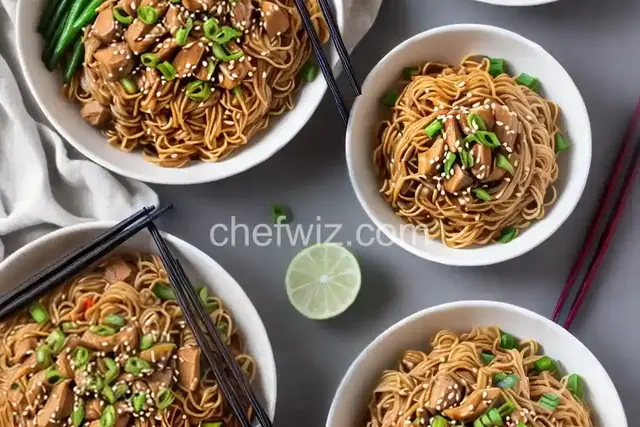
Have you ever wondered how to recreate the delicious Chow Mein from Panda Express in the comfort of your own kitchen? Look no further! In this article, we will guide you through the process of making a copycat version of Panda Express Chow Mein that tastes just as good as the original. Get ready to impress your friends and family with this mouthwatering dish!
What makes Panda Express Chow Mein so addictive? It's all about the perfect balance of flavors and textures. The combination of stir-fried noodles, fresh vegetables, and a savory sauce creates a dish that is both satisfying and full of umami. Think of it as a symphony of flavors dancing in your mouth!
The type of noodle you use in your Chow Mein can make a big difference in the final result. For an authentic Panda Express experience, opt for Chinese egg noodles or yakisoba noodles. These noodles are slightly chewy and have a great ability to absorb flavors.
Stir-frying is a cooking technique that requires high heat and quick cooking to preserve the freshness and crunchiness of the vegetables. It's important to have all your ingredients prepped and ready to go before you start cooking. This way, you can ensure that everything cooks evenly and nothing gets overcooked.
One of the key components of Panda Express Chow Mein is the sauce. It's a savory blend of soy sauce, oyster sauce, sesame oil, and a touch of sugar. This combination gives the dish its signature flavor and adds a hint of sweetness to balance out the saltiness.
While the Panda Express version of Chow Mein is delicious on its own, you can always add your own twist to make it even more personalized. Consider adding some protein like chicken, beef, or shrimp to make it a complete meal. You can also experiment with different vegetables to add more color and texture.
Now that you have all the components ready, it's time to bring it all together. Start by cooking the noodles according to the package instructions. In a hot wok or skillet, stir-fry the vegetables until they are tender-crisp. Add the cooked noodles and sauce, tossing everything together until well coated. Serve hot and enjoy!
Creating a copycat version of Panda Express Chow Mein is not as daunting as it seems. With the right ingredients and techniques, you can recreate this beloved dish in your own kitchen. So why wait? Gather your ingredients, put on your apron, and get ready to impress your taste buds with a homemade version of Panda Express Chow Mein!
Yes, you can experiment with different types of noodles to find your preferred texture and taste.
Absolutely! You can omit the meat and add more vegetables or tofu for a delicious vegetarian version.
Yes, you can add some chili flakes or hot sauce to give your Chow Mein a spicy kick.
The cooking time may vary, but on average, it takes about 30 minutes to prepare and cook this dish.
While it's best to enjoy Chow Mein fresh, you can freeze leftovers in an airtight container for up to 3 months.
Using pre-packaged Chow Mein sauce is convenient, but making your own sauce from scratch will give you more control over the flavors.
Absolutely! Feel free to add any vegetables you like to customize your Chow Mein to your taste.
Yes, you can use gluten-free soy sauce and noodles to make this dish gluten-free.
AprilCook, recipe developer and the heart of Chefwiz. More about April