Colombian Arepas
Rate this recipeBe the first to rate
 By AprilPublished
 Have you ever craved a dish that is both comforting and bursting with flavor?
 By AprilPublished
 Have you ever craved a dish that is both comforting and bursting with flavor?
In a large bowl, combine water, cornmeal, mozzarella cheese, butter, and salt.
Knead the mixture until thoroughly combined and a soft dough is formed.
Shape the dough into balls approximately the size of a medium orange.
Place each ball between two sheets of plastic wrap and use a rolling pin to flatten the dough to the desired thickness.
Using the edge of a cereal bowl or drinking glass, press into the dough to cut out circles. Remove any excess dough scraps.
Spray a griddle with cooking spray and heat it over medium-high heat.
Cook the arepas on the hot griddle in batches until they are golden brown, about 5 minutes per side.
Serve the arepas immediately.
If the dough is too dry, add a small amount of water. If it's too moist, add more cornmeal.
Have you ever craved a dish that is both comforting and bursting with flavor? Look no further than Colombian arepas! These delightful corn-based treats are a staple in Colombian cuisine and will transport you to the vibrant streets of Colombia with every bite. In this article, we will explore the rich history, mouthwatering varieties, and cultural significance of Colombian arepas.
Colombian arepas have a long and fascinating history that dates back to pre-Columbian times. The indigenous people of Colombia, particularly the Muisca and Tairona tribes, were known to make arepas using cornmeal. These round, flatbreads were cooked on hot stones and served as a dietary staple.
Over time, the recipe for arepas evolved, and they became a beloved dish throughout Colombia. Today, arepas are a symbol of Colombian culinary heritage and are enjoyed by people of all ages and backgrounds.
One of the reasons why Colombian arepas are so popular is their versatility. They can be served as a main dish, a side dish, or even as a snack. The possibilities are endless when it comes to fillings and toppings.
Are you a meat lover? Sink your teeth into a savory arepa filled with juicy shredded beef or tender chicken. Prefer a vegetarian option? Try a cheese-filled arepa that oozes with gooey deliciousness. And let's not forget about the classic combination of butter and cheese, a heavenly duo that will make your taste buds dance.
Making arepas is an art form in itself. It requires skill and precision to achieve the perfect texture and flavor. The process begins by mixing cornmeal, water, salt, and sometimes oil, until a smooth dough is formed.
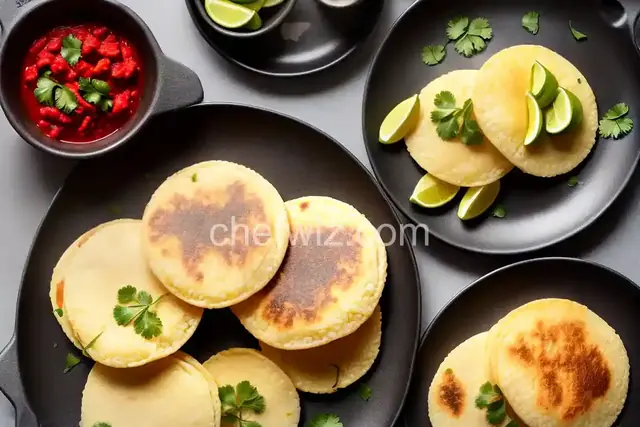
Next, the dough is shaped into small balls and flattened into discs. These discs are then cooked on a hot griddle or skillet until they develop a golden crust. The result is a crispy exterior that gives way to a soft and fluffy interior.
Arepas hold a special place in Colombian culture, as they are often enjoyed during festive celebrations and family gatherings. They are a symbol of unity and togetherness, bringing people closer through the shared experience of savoring these delectable treats.
Colombian arepas also reflect the country's diverse culinary traditions. Each region of Colombia has its own unique way of preparing and serving arepas, showcasing the rich tapestry of flavors that make up Colombian cuisine.
In conclusion, Colombian arepas are more than just a delicious dish - they are a window into the heart and soul of Colombia. With their rich history, versatile fillings, and cultural significance, arepas are a culinary treasure that should not be missed. So why not embark on a gastronomic adventure and treat yourself to the delightful flavors of Colombian arepas?
The best filling for Colombian arepas depends on personal preference. Some popular options include shredded beef, chicken, cheese, and butter.
Cornmeal is a key ingredient in traditional Colombian arepas. However, there are variations of arepas that use different flours, such as wheat or cassava flour.
Yes, Colombian arepas are naturally gluten-free since they are made from cornmeal. They are a great option for individuals with gluten sensitivities or celiac disease.
Absolutely! Colombian arepas freeze well and can be reheated in a toaster or oven for a quick and convenient meal.
While savory arepas are more common, there are also sweet variations of arepas. These arepas are often filled with ingredients like sugar, cheese, or condensed milk.
Colombian arepas and Mexican tortillas share some similarities, as both are made from cornmeal. However, they have distinct differences in texture, flavor, and preparation methods.
Colombian arepas have gained popularity worldwide, and you can often find them in Colombian restaurants or international food markets.
While making arepas requires some practice, they are relatively easy to make at home with the right ingredients and technique. It can be a fun and rewarding culinary adventure!
AprilCook, recipe developer and the heart of Chefwiz. More about April