Classic Terrine of Foie Gras
Rate this recipeBe the first to rate
 By AprilPublished
 Are you looking to impress your guests with a luxurious and sophisticated appetizer?
 By AprilPublished
 Are you looking to impress your guests with a luxurious and sophisticated appetizer?
Preheat the oven to 200°F and prepare a small roasting pan by lining it with a folded kitchen towel or 6 layers of paper towels (the purpose is to insulate the foie gras).
Season both sides of the foie gras lobes and loose pieces with kosher salt and white pepper.
Pour one third of the Sauternes into a terrine, then place the larger foie gras lobe (smooth side down) into the terrine. Press it firmly to create a snug fit, and wedge any loose pieces into the terrine. Sprinkle another third of the Sauternes on top.
Place the smaller foie gras lobe (smooth side up) into the terrine and press it down firmly to create a flat surface and snug fit. Sprinkle the remaining Sauternes on top.
Cover the surface of the foie gras with plastic wrap, then cover the terrine with a lid or foil.
Place the terrine (with plastic wrap and lid) in the prepared roasting pan. Fill the roasting pan with enough hot water to reach halfway up the side of the terrine.
Bake in the middle of the oven until an instant-read thermometer inserted diagonally into the center of the foie gras registers 120°F (for medium-rare) or 160°F (for USDA standards). This will take approximately 1 to 1 1/2 hours for medium
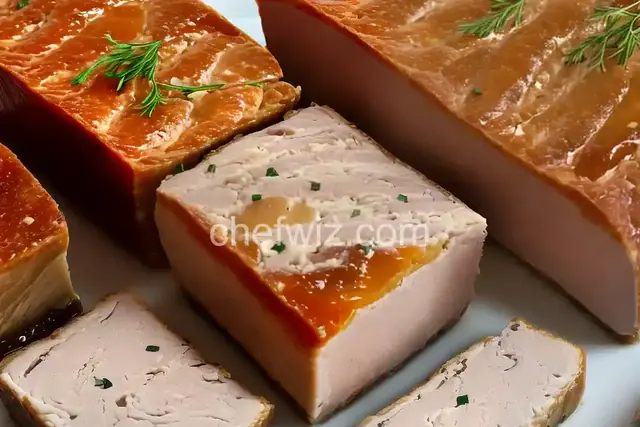
Are you looking to impress your guests with a luxurious and sophisticated appetizer? Look no further than the classic terrine of foie gras. This elegant dish has been a staple in French cuisine for centuries, known for its rich and velvety texture.
Creating a terrine is like crafting a culinary masterpiece. It requires precision, patience, and a touch of finesse. Just as an artist carefully layers colors on a canvas, a chef meticulously layers flavors in a terrine. The result is a harmonious blend of textures and tastes that will leave your taste buds begging for more.
Foie gras, meaning "fat liver" in French, is the key ingredient in a classic terrine. This delicacy is made from the liver of a specially fattened duck or goose, resulting in a buttery and melt-in-your-mouth texture. The luxurious flavor of foie gras is a true indulgence that will elevate any dish to new heights.
The terrine process begins by marinating the foie gras in a blend of spices, such as salt, pepper, and a hint of nutmeg. This step helps to enhance the natural flavors of the foie gras and adds a subtle depth of taste. The marinated foie gras is then gently pressed into a terrine mold, creating a compact and elegant shape.
Once molded, the terrine is cooked in a water bath, ensuring a gentle and even heat distribution. This cooking method allows the foie gras to retain its delicate texture and prevents any unwanted overcooking. After cooking, the terrine is chilled overnight, allowing the flavors to meld together and develop a silky smooth consistency.
When it comes to serving a classic terrine of foie gras, presentation is key. The terrine is traditionally sliced into thin, elegant portions and served alongside crusty bread or toasted brioche. The rich and creamy foie gras spreads effortlessly on the bread, creating a mouthwatering combination of flavors and textures.
To elevate the terrine even further, consider serving it with a variety of accompaniments and garnishes. Fresh berries provide a refreshing contrast to the richness of the foie gras, while a drizzle of balsamic reduction adds a tangy sweetness. A sprinkle of sea salt and freshly cracked black pepper brings out the flavors in the terrine, creating a balanced and well-rounded dish.
The classic terrine of foie gras is an exquisite dish that showcases the artistry and elegance of French cuisine. Its rich and velvety texture, paired with an array of accompaniments, creates a sensory experience like no other. Whether served as an appetizer or the centerpiece of a meal, this timeless dish is sure to impress even the most discerning palates.
While a terrine mold is the traditional vessel for creating a terrine, you can use a loaf pan or any other oven-safe dish as a substitute. Just make sure to line the pan with plastic wrap before pressing in the foie gras to ensure easy removal.
Yes, you can freeze a terrine of foie gras for future enjoyment. Wrap the terrine tightly in plastic wrap and place it in an airtight container before freezing. Thaw it in the refrigerator overnight before serving.
While foie gras is the star of a classic terrine, you can experiment with other ingredients such as chicken livers or mushrooms to create a vegetarian-friendly version. Just make sure to adjust the seasonings accordingly for the best flavor.
A properly stored terrine of foie gras can last up to a week in the refrigerator. Make sure to keep it wrapped tightly in plastic wrap or stored in an airtight container to maintain its freshness.
While a terrine of foie gras is typically served as an appetizer or part of a charcuterie board, you can certainly enjoy it as a main course. Pair it with a fresh salad or roasted vegetables to create a well-balanced and satisfying meal.
The richness of a terrine of foie gras pairs beautifully with sweet dessert wines such as Sauternes or a late harvest Riesling. The sweetness of the wine complements the richness of the foie gras, creating a harmonious and decadent pairing.
Absolutely! In fact, a terrine of foie gras benefits from being made in advance, as the flavors have time to develop and meld together. Just make sure to plan accordingly and allow enough time for the terrine to chill and set before serving.
The production of foie gras has been a subject of debate due to the force-feeding of ducks or geese to fatten their livers. It is important to be aware of the ethical concerns surrounding foie gras production and to make an informed decision when purchasing and consuming it.
AprilCook, recipe developer and the heart of Chefwiz. More about April