Israeli Falafel
Rate this recipeBe the first to rate
 By AprilPublished
 Falafel is a beloved Middle Eastern dish that has gained popularity all over the world.
 By AprilPublished
 Falafel is a beloved Middle Eastern dish that has gained popularity all over the world.
Combine all ingredients and 1/4 cup of water in a food processor or blender. Process until a smooth paste is formed.
(Optional) The sauce can be made ahead of time and refrigerated, covered, for up to 1 day.
In a food processor, combine chickpeas, onion, garlic, parsley, cumin, coriander, salt, red pepper flakes, and baking soda. Pulse until finely chopped and crumbly, resembling wet bread crumbs. Avoid overprocessing into a paste, as this will result in heavy falafel balls.
(Optional) The mixture can be made ahead of time and refrigerated, covered, for up to 1 day.
Heat 3 inches of oil in a large shallow skillet over moderately high heat until the thermometer registers 350°F.
Using 2 teaspoons or a falafel scoop, form the mixture into approximately 1-inch-diameter balls or disks.
Working in batches of 5, carefully lower the formed mixture into the hot oil and fry, turning occasionally, until the falafel turns deep golden brown. This process should take about 1 to 2 minutes.
Drain the fried falafel on paper towels.
Repeat the frying process for the remaining falafel, making sure to return the oil to 350°F between each batch.
Falafel is a beloved Middle Eastern dish that has gained popularity all over the world. But have you ever tried Israeli falafel? Israeli falafel is a unique variation of this popular street food, with its own distinct flavors and textures. In this article, we will explore the delicious world of Israeli falafel and discover what sets it apart from other falafel varieties.
One of the key elements that make Israeli falafel stand out is the addition of fresh herbs to the falafel mixture. While traditional falafel recipes rely solely on chickpeas or fava beans, Israeli falafel incorporates a vibrant combination of parsley, cilantro, and dill. These aromatic herbs not only add a burst of freshness but also enhance the overall flavor profile of the falafel.
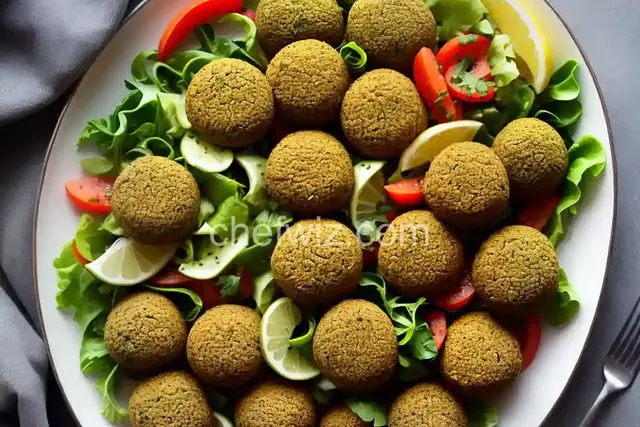
Israeli falafel is all about achieving the perfect texture. The exterior of the falafel should be golden brown and crispy, providing a satisfying crunch with every bite. On the inside, the falafel should be soft, fluffy, and packed with flavor. Achieving this balance of textures requires attention to detail, from the mixture's consistency to the cooking method.
Israeli falafel is typically served in a pita bread or as part of a salad bowl. What makes it truly special are the accompaniments that are served alongside it. From tangy tahini sauce to vibrant pickles, these condiments add layers of flavor and texture to the falafel experience. Each bite becomes a delightful symphony of tastes, making it a truly memorable meal.
Tahini sauce is a staple in Middle Eastern cuisine, and it is the perfect accompaniment to Israeli falafel. Made from ground sesame seeds, tahini sauce has a creamy texture and a nutty flavor that complements the falafel beautifully. Its tanginess adds a delightful contrast to the richness of the falafel, creating a harmonious balance of flavors.
Pickles are another essential component of Israeli falafel. Whether it's pickled cucumbers, turnips, or beets, these tangy vegetables add a burst of acidity that cuts through the richness of the falafel. They provide a refreshing contrast and elevate the overall taste of the dish.
Israeli falafel stands out for its use of fresh herbs like parsley, cilantro, and dill in the falafel mixture. This gives it a unique flavor profile compared to other falafel varieties.
While it is possible to make falafel with canned chickpeas, using dried chickpeas that have been soaked overnight will give you the best texture and flavor.
Traditionally, falafel is fried in vegetable oil. However, you can also use other high-heat oils like canola or peanut oil.
Yes, Israeli falafel can be made gluten-free by using a gluten-free flour or starch as a binder instead of wheat flour.
While frying is the traditional method of cooking falafel, you can bake them in the oven for a healthier alternative. However, the texture may be slightly different.
Besides tahini sauce and pickles, you can add a variety of toppings to your Israeli falafel, such as sliced tomatoes, cucumbers, onions, or even a drizzle of hot sauce for an extra kick.
Yes, you can freeze uncooked falafel patties and fry them whenever you have a craving. They can be stored in the freezer for up to three months.
Absolutely! You can prepare the falafel mixture in advance and refrigerate it until you're ready to fry. This makes it a convenient option for entertaining or meal prepping.
In conclusion, Israeli falafel offers a unique twist on the classic Middle Eastern dish. With its fresh herb-infused falafel mixture, crispy yet tender texture, and a wide array of delicious accompaniments, Israeli falafel is a culinary delight that is worth exploring. So, why not embark on a falafel adventure and savor the flavors of Israel?
AprilCook, recipe developer and the heart of Chefwiz. More about April