Classic Scottish Shortbread
Rate this recipeBe the first to rate
 By AprilPublished
 Have you ever tasted the buttery goodness of classic Scottish shortbread?
 By AprilPublished
 Have you ever tasted the buttery goodness of classic Scottish shortbread?
Preheat the oven to 350 degrees F (180 degrees C).
Using a mixer, cream the butter and sugar together.
Add the flour to the mixture and mix well with a wooden spoon.
Thoroughly mix the dough by using your hands.
Press the dough into a jelly roll pan.
Use a fork to prick the dough all over, ensuring that the fork hits the bottom and the pricks are close together.
Bake the dough in the preheated oven for 10 minutes.
After 10 minutes, reduce the heat to 300 degrees and continue baking for an additional 40 minutes.
Allow the baked dough to cool for 2 minutes, then cut it into finger-sized bars.
Let the bars cool thoroughly in the pan.
Have you ever tasted the buttery goodness of classic Scottish shortbread? It's like taking a bite out of a cloud that has been rolled in sugar. This delectable treat has a rich history and a melt-in-your-mouth texture that is hard to resist.
Scottish shortbread has been a beloved treat for centuries. Its origins can be traced back to medieval times when it was considered a luxury item reserved for special occasions. Back then, shortbread was made with just three ingredients: butter, sugar, and flour. The simplicity of this recipe allowed the rich buttery flavor to shine through.
Today, the classic recipe for Scottish shortbread remains largely unchanged. It is still made with the same three ingredients, although some variations may include a touch of vanilla or a sprinkle of salt. The butter is the star of the show, giving the shortbread its signature crumbly texture and rich taste.
Making Scottish shortbread is both an art and a science. The key is in the technique. The butter must be at room temperature, allowing it to blend seamlessly with the sugar and flour. The dough is then gently mixed until it just comes together, ensuring a tender and delicate texture.
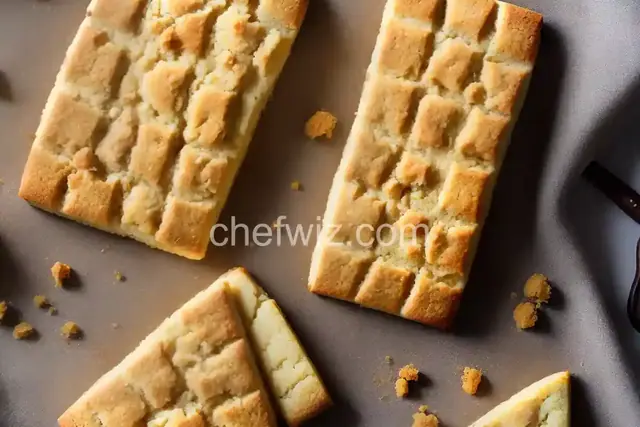
Once the dough is formed, it is pressed into a mold or rolled out and cut into shapes. Traditional shortbread is often baked in a round or rectangular shape and scored into wedges or fingers. These markings not only make it easier to break apart but also give the shortbread its distinctive appearance.
Scottish shortbread is a versatile treat that can be enjoyed in many different ways. It can be served plain, with a cup of tea or coffee, for a simple and satisfying snack. It can also be dressed up with a drizzle of chocolate, a sprinkle of powdered sugar, or a dollop of jam for a more decadent dessert.
Shortbread can also be customized to suit your taste. You can add a handful of chocolate chips, a sprinkle of cinnamon, or a handful of chopped nuts to the dough for a delicious twist. The possibilities are endless, allowing you to create a shortbread that is uniquely yours.
In conclusion, classic Scottish shortbread is a timeless treat that has stood the test of time. Its simple yet delicious recipe and rich buttery flavor make it a favorite among both young and old. Whether enjoyed plain or dressed up, Scottish shortbread is sure to satisfy your sweet tooth.
While you can use margarine as a substitute for butter, it may affect the taste and texture of the shortbread. Butter is the traditional choice and is recommended for the best results.
Shortbread can be stored in an airtight container for up to two weeks. However, it is best enjoyed within the first few days for optimal freshness.
Yes, shortbread can be frozen for up to three months. Just make sure to wrap it tightly in plastic wrap or place it in an airtight container before freezing.
Yes, you can use whole wheat flour for a healthier option. However, keep in mind that it may alter the texture and taste slightly.
Absolutely! You can experiment with different flavors such as lemon zest, almond extract, or even lavender to give your shortbread a unique twist.
Yes, you can use a cookie cutter to shape the shortbread into various shapes and sizes. Just make sure to keep the thickness consistent for even baking.
Yes, if you don't have a mold, you can simply press the dough into a baking pan and score it into pieces before baking.
Absolutely! You can decorate the shortbread with a dusting of powdered sugar, a drizzle of melted chocolate, or even edible flowers for an extra special touch.
AprilCook, recipe developer and the heart of Chefwiz. More about April