Scottish Pudding
Rate this recipeBe the first to rate
 By AprilPublished
 Have you ever tasted a traditional Scottish pudding? If not, you're missing out on a scrumptious treat that has been enjoyed for centuries in the highlands of Scotland.
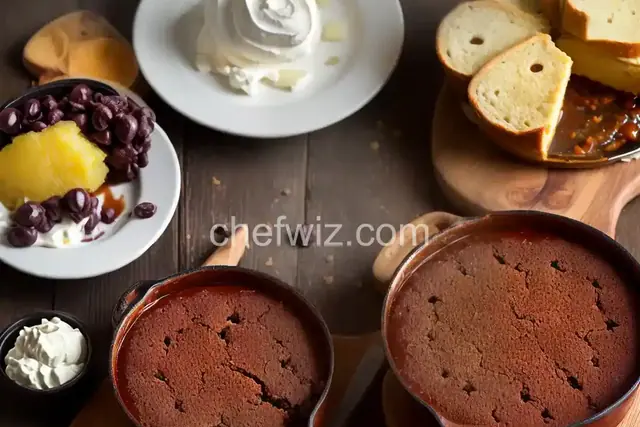 By AprilPublished
 Have you ever tasted a traditional Scottish pudding? If not, you're missing out on a scrumptious treat that has been enjoyed for centuries in the highlands of Scotland.
Combine water, sugar, mixed spice, cinnamon, mixed fruit, golden raisins, and margarine in a saucepan.
Bring the mixture to a boil and then simmer for 1 minute.
Remove the saucepan from the heat.
Stir in flour, baking soda, and eggs.
Transfer the mixture to a microwave-safe bowl.
Place the bowl in the microwave.
Cook the mixture on high, without covering it, for 10 minutes.
Allow the bowl to stand for 5 minutes before serving.
Have you ever tasted a traditional Scottish pudding? If not, you're missing out on a scrumptious treat that has been enjoyed for centuries in the highlands of Scotland. Picture this: a warm, comforting dessert that melts in your mouth, leaving you with a feeling of pure bliss. Scottish pudding is a culinary masterpiece that combines rich flavors, unique textures, and a touch of Scottish heritage.
Scottish pudding, also known as clootie pudding, is a traditional dessert that traces its roots back to ancient times. It was originally made by Scottish families on special occasions, such as holidays and family gatherings. The name "clootie" comes from the cloth that was used to wrap the pudding while it cooked, giving it a distinct shape and texture.
Legend has it that Scottish pudding was a favorite of the legendary Scottish poet, Robert Burns. He once wrote, "O, pudding, fit for princes and for poets too!" This poetic praise only adds to the allure of this delectable dessert.
What makes Scottish pudding so unique? It's all in the ingredients! The traditional recipe includes a combination of dried fruits, such as raisins, currants, and sultanas, mixed with breadcrumbs, suet, and spices like cinnamon and nutmeg. The result is a pudding that is sweet, moist, and bursting with flavor.
But what exactly is suet? Suet is the hard fat found around the kidneys of cows and sheep. It may sound unusual, but it's what gives Scottish pudding its rich and indulgent texture. It's the secret ingredient that sets this dessert apart from any other.
Creating a Scottish pudding is a labor of love. It requires patience, precision, and a little bit of magic. The first step is to mix all the dry ingredients together in a large bowl. Then, the suet is added and mixed until everything is well combined.
Next comes the fun part - adding the liquids! A mixture of milk and eggs is slowly poured into the bowl, creating a thick batter. This batter is then transferred to a clootie cloth, which is carefully tied up and placed in a pot of boiling water. The pudding is left to simmer for several hours, allowing the flavors to meld together and create a heavenly aroma.
While the traditional Scottish pudding recipe is still widely enjoyed today, there are also modern variations that cater to different tastes and dietary preferences. Some recipes replace suet with butter or vegetable oil, making the dessert suitable for vegetarians and vegans.
Additionally, you can experiment with different flavors and add-ins to create your own unique version of Scottish pudding. How about adding a splash of whiskey for an adult twist? Or perhaps some grated orange zest for a citrusy kick? The possibilities are endless, and the end result will still be a delightful dessert that pays homage to Scottish tradition.
Scottish pudding is a dessert that embodies the warmth and charm of Scottish culture. With its rich flavors, unique textures, and centuries-old traditions, it's a treat that will transport you to the misty highlands of Scotland with every bite. Whether you enjoy the classic recipe or put your own spin on it, one thing is for sure - Scottish pudding is a delicious delight that should not be missed!
Yes, you can substitute suet with butter or vegetable oil for a vegetarian or vegan version of Scottish pudding.
Scottish pudding typically takes several hours to cook. It needs time for the flavors to develop and meld together.
Absolutely! Adding a splash of whiskey or another favorite spirit can enhance the flavor of your Scottish pudding.
Yes, you can freeze Scottish pudding. Just make sure to wrap it tightly in plastic wrap or store it in an airtight container before freezing.
In addition to raisins, currants, and sultanas, you can also add dried cherries, chopped apricots, or even cranberries to your Scottish pudding.
Yes, Scottish pudding is often served with a rich sauce, such as caramel or whisky sauce, to add an extra layer of indulgence.
Absolutely! You can reheat Scottish pudding in the microwave or oven. Just make sure to cover it with foil to prevent it from drying out.
While Scottish pudding is traditionally served warm, you can also enjoy it cold. It's a matter of personal preference!
AprilCook, recipe developer and the heart of Chefwiz. More about April