Classic Red Sauce
Rate this recipeBe the first to rate
 By AprilPublished
Are you tired of store-bought pasta sauces that lack flavor and depth?
 By AprilPublished
Are you tired of store-bought pasta sauces that lack flavor and depth?
Blend the tomatoes in a food processor or with an immersion blender until smooth and creamy. (If you prefer a more rustic texture, you can leave them chunky and break them up later in the pan with a wooden spoon.)
Heat the olive oil in a large saucepan over medium-high heat. Once hot, add the onion and sauté for 5 to 6 minutes until softened. Add the garlic and cook for 2 to 3 minutes until the color starts to change. If desired, add red pepper flakes for spiciness.
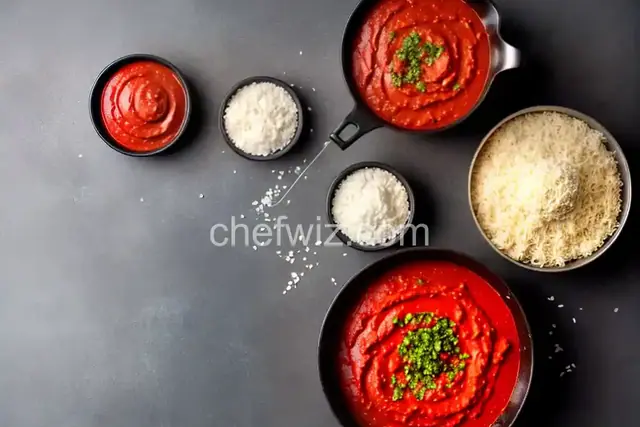
Add the tomatoes to the saucepan and season with salt and pepper according to taste. Reduce the heat to medium-low and simmer for approximately 30 minutes. (If the tomatoes were not pureed, use a wooden spoon to break them into smaller pieces as they cook.) Aim for a balanced consistency - it should be fluid but not overly watery.
Stir in the basil and remove the saucepan from the heat. Mix the sauce with freshly cooked pasta.
Are you tired of store-bought pasta sauces that lack flavor and depth? Do you want to impress your friends and family with a delicious homemade sauce? Look no further, because in this article, we will guide you through the process of making a classic red sauce that will elevate any pasta dish to new heights!
There's something magical about making your own sauce from scratch. Not only do you have full control over the ingredients, but you also get to customize it to your own taste. Plus, the aroma that fills your kitchen as the sauce simmers on the stove is simply irresistible!
Making a classic red sauce is easier than you think. All you need are a few staple ingredients, such as tomatoes, onions, garlic, and herbs. The key is to use high-quality ingredients to ensure a rich and flavorful sauce.
Tomatoes are the star of the show when it comes to a classic red sauce. Whether you choose fresh tomatoes or canned ones, make sure they are ripe and full of flavor. You can even mix different varieties to add complexity to your sauce.
To enhance the flavor of your sauce, sauté some onions and garlic in olive oil until they become soft and fragrant. This creates a solid foundation for your sauce and adds depth to the overall taste.
No red sauce is complete without a combination of herbs and spices. Basil, oregano, and thyme are classic choices that pair well with tomatoes. Feel free to experiment with different herbs to create your own signature sauce.
Once you've combined all the ingredients, it's time to let the sauce simmer on low heat. This slow cooking process allows the flavors to meld together and intensify. The longer you simmer, the more flavorful your sauce will be.
One of the great things about making your own sauce is the ability to customize it to your liking. If you prefer a chunky sauce, leave the tomatoes as they are. If you prefer a smoother texture, use an immersion blender to puree the sauce.
Don't be afraid to get creative and add your own personal touch to the sauce. You can experiment with different vegetables, such as bell peppers or mushrooms, or add a splash of wine for a more complex flavor profile. The possibilities are endless!
In conclusion, making your own classic red sauce is a rewarding experience that will elevate your pasta dishes to new heights. By using high-quality ingredients and taking the time to let the sauce simmer, you can create a flavorful masterpiece that will impress even the most discerning palate. So why settle for store-bought when you can make your own delicious sauce at home?
Yes, using fresh tomatoes can give your sauce a brighter and more vibrant flavor. Just make sure to remove the skins before using them.
The longer you simmer, the more flavorful your sauce will be. Aim for at least an hour, but if you have the time, let it simmer for a few hours for maximum flavor.
Absolutely! This sauce freezes well, so you can make a big batch and store it for later use. Just make sure to let it cool completely before transferring it to airtight containers.
If your sauce tastes too acidic, you can add a pinch of sugar or a splash of balsamic vinegar to balance out the flavors.
While fresh herbs are preferred, you can use dried herbs if that's what you have on hand. Just remember to adjust the quantities, as dried herbs are more potent than fresh ones.
Absolutely! If you like a spicy kick, you can add some red pepper flakes or a dash of hot sauce to the sauce while it simmers.
This classic red sauce pairs well with a variety of pasta shapes, such as spaghetti, penne, and rigatoni. Choose your favorite and enjoy!
Definitely! This sauce works beautifully as a pizza sauce. Just spread it on your pizza dough, add your favorite toppings, and bake until golden and bubbly.
AprilCook, recipe developer and the heart of Chefwiz. More about April