Classic, Hearty Beef Stew
Rate this recipeBe the first to rate
 By AprilPublished
 Are you looking for a comforting and satisfying meal that will warm you up from the inside out?
 By AprilPublished
 Are you looking for a comforting and satisfying meal that will warm you up from the inside out?
Gather all the ingredients needed for the recipe.
Preheat the oven to 350 degrees F (175 degrees C).
In a large bowl, season the beef with salt and pepper.
Add flour and paprika to the bowl with the beef and toss until the beef is evenly coated.
Heat oil in an oven-safe Dutch oven over medium-high heat.
Working in batches, sear the beef cubes in the hot oil, stirring occasionally, until they are well-browned (around 10 to 11 minutes per batch).
Transfer the seared beef to a plate and leave the drippings in the Dutch oven.
Add onions to the Dutch oven with the drippings and season them with salt and pepper.
Cook and stir the onions until they begin to caramelize (about 10 minutes).
Add garlic to the Dutch oven and stir until it becomes fragrant (about 30 seconds).
Stir in tomato paste and cook until it turns brown and begins to caramelize and stick to the bottom of the pan.
Pour red wine into the Dutch oven and bring it to a boil while using a wooden spoon to scrape the browned bits of food off the bottom of the pan.
Cook until the wine is almost evaporated (approximately 3 minutes).
Add dried thyme, dried rosemary, herbes de Provence, and bay leaves to the Dutch oven
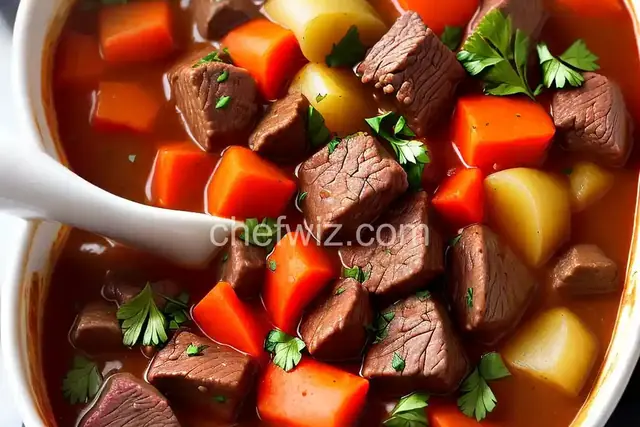
Are you looking for a comforting and satisfying meal that will warm you up from the inside out? Look no further than a classic hearty beef stew. This timeless dish is packed with tender chunks of beef, hearty vegetables, and a rich, flavorful broth that will have you coming back for seconds.
There's something about the aroma of a simmering beef stew that instantly transports you back to your grandmother's kitchen. It's a dish that has been passed down through generations, each cook adding their own unique twist. But no matter the variations, the heart and soul of a good beef stew remain the same.
Creating a delicious beef stew starts with selecting the right ingredients. From the tender cuts of beef to the fresh vegetables, each component plays a crucial role in the final dish. But it's not just about the individual ingredients; it's about the harmonious blend of flavors that they create when cooked together.
The star of the show is, of course, the beef. Choose a cut that is well-marbled and flavorful, such as chuck or brisket. These cuts are perfect for slow cooking, as they become melt-in-your-mouth tender and infuse the broth with their rich flavors.
Vegetables like carrots, potatoes, and onions are staples in a classic beef stew. They not only add texture and color but also contribute their own unique flavors to the dish. Feel free to get creative and add other veggies like celery or parsnips to enhance the depth of flavor.
The broth is the foundation of a good beef stew. It's where all the flavors meld together to create a comforting and rich base. Whether you prefer a tomato-based broth or a savory beef stock, the key is to let it simmer and develop depth over time.
Now that we have our ingredients, it's time to talk about the cooking techniques that will take your beef stew to the next level. The secret to a truly exceptional stew lies in the patience and care you put into each step.
Before adding the beef to the stew, it's essential to brown it first. This step not only adds a beautiful caramelized crust but also enhances the flavor of the meat. By searing the beef, you lock in the juices and create a depth of flavor that will make your stew irresistible.
One of the most crucial aspects of cooking a beef stew is the low and slow method. By simmering the stew over low heat for an extended period, the flavors have time to develop and meld together. This slow cooking process ensures tender meat and vegetables that are packed with flavor.
Timing is everything when it comes to adding the vegetables to your stew. You want them to be cooked perfectly, not too mushy or undercooked. Add the vegetables at the right time, so they retain their texture and contribute to the overall balance of the dish.
Whether you're hosting a family gathering, cozying up on a chilly winter night, or simply craving a comforting meal, a classic hearty beef stew is the answer. It's a versatile dish that can be served on its own or accompanied by crusty bread or fluffy mashed potatoes.
So, next time you want to indulge in a warm and satisfying meal, why not try your hand at making a classic hearty beef stew? It's a dish that will not only fill your belly but also warm your soul.
While beef is the traditional choice for a classic beef stew, you can certainly experiment with other meats. Try using lamb or even chicken for a different twist on this beloved dish.
The longer you simmer the stew, the more flavorful it will become. Aim for at least two hours, but if you have the time, let it simmer for three to four hours for maximum flavor.
Absolutely! In fact, beef stew often tastes even better the next day as the flavors have had time to meld together. Simply refrigerate it overnight and reheat it when ready to serve.
Yes, beef stew freezes well. Allow it to cool completely before transferring it to an airtight container or freezer bags. It can be stored in the freezer for up to three months.
Certainly! Adding a splash of red wine can add depth and complexity to the flavors of the stew. Just be sure to choose a wine that you enjoy drinking, as the flavor will come through in the final dish.
Absolutely! You can substitute the beef with hearty vegetables like mushrooms, lentils, or tofu for a delicious vegetarian stew. The key is to still focus on creating a flavorful broth and adding a variety of vegetables for texture.
Yes, a slow cooker is an excellent option for making beef stew. Simply follow the same steps for browning the meat and sautéing the vegetables before transferring everything to the slow cooker. Cook on low for 6-8 hours or on high for 4-6 hours.
If you want to take your beef stew to the next level, consider adding some optional additions like Worcestershire sauce, bay leaves, thyme, or a splash of balsamic vinegar. These ingredients can enhance the flavors and add a unique touch to your stew.
AprilCook, recipe developer and the heart of Chefwiz. More about April