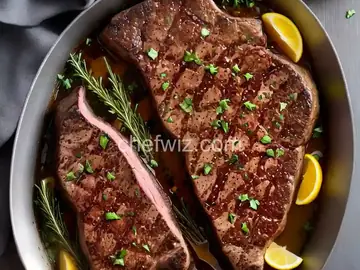
Classic Gefilte Fish
Rate this recipeBe the first to rate
 By AprilPublished
 Gefilte fish is a traditional Jewish dish that is commonly served during festive occasions, especially during holidays such as Passover.
 By AprilPublished
 Gefilte fish is a traditional Jewish dish that is commonly served during festive occasions, especially during holidays such as Passover.
Place the reserved bones, skin, and fish heads in a wide, large saucepan with a lid. Add water and 2 teaspoons of salt. Bring to a boil and remove any foam that forms.
Slice 1 onion into rounds and add it to the saucepan with 3 carrots. Add sugar and bring to a boil. Cover and simmer for about 20 minutes while preparing the fish mixture.
In a bowl, place the ground fish. Finely chop the remaining onions, carrot, and parsnip in a food processor or by hand. Add the chopped vegetables to the ground fish.
Add the eggs one at a time, along with the remaining teaspoon of salt, pepper, and cold water. Mix well. Stir in enough matzah meal to make a light and soft mixture. Shape the mixture into oval shapes, approximately 3 inches long. Use the last fish head to stuff the cavity with the ground fish mixture.
Remove the onions, skins, head, and bones from the saucepan and return the stock to a simmer. Carefully place the fish patties in the simmering fish stock. Loosely cover and simmer for 20 to 30 minutes. Taste the liquid and add seasoning as desired. Gently shake the pot occasionally to prevent sticking. Once the gefilte fish is cooked, remove from the water and let it cool for at least 15 minutes.
Using a slotted spoon, carefully
Gefilte fish is a traditional Jewish dish that is commonly served during festive occasions, especially during holidays such as Passover. The dish consists of ground fish, typically a combination of whitefish, carp, and pike, mixed with various ingredients such as onions, eggs, and matzo meal. It is then formed into small oblong-shaped patties or balls and cooked in a flavorful fish broth.
Gefilte fish holds a special place in Jewish cuisine and culture. It has been enjoyed for generations and is often seen as a symbol of tradition and heritage. The dish's origins can be traced back to Eastern Europe, where fish was a staple food for many Jewish communities. Over time, gefilte fish became a beloved dish that was passed down from one generation to the next, and it continues to be cherished and enjoyed today.
Preparing gefilte fish requires a bit of time and effort, but the end result is well worth it. The fish mixture is traditionally seasoned with salt, pepper, and sugar, and shaped into small patties or balls. These are then gently poached in a flavorful fish broth until cooked through. The fish broth, which is made by simmering fish bones and aromatic vegetables, adds an extra layer of flavor to the dish.
Gefilte fish has a delicate and mild flavor. The combination of different fish varieties gives the dish a unique taste that is both savory and slightly sweet. The texture is tender and moist, making it easy to enjoy. When served cold, gefilte fish is often accompanied by a tangy horseradish sauce, which adds a kick of heat and complements the flavors of the dish.
Gefilte fish can be served in various ways, depending on personal preferences and traditions. It is commonly served chilled as an appetizer, either on its own or with a dollop of horseradish sauce. Some people enjoy it with a slice of fresh challah bread or matzo. It can also be served warm as part of a main course, accompanied by sides such as boiled potatoes, carrots, and parsley.
Yes, gefilte fish can be a healthy dish. Fish is a great source of lean protein and is rich in omega-3 fatty acids, which are beneficial for heart health. The addition of onions and other vegetables in the fish broth also provides added nutrients. However, it's important to note that the way gefilte fish is prepared can vary, and some recipes may include additional ingredients that can affect its nutritional profile.
Yes, gefilte fish can be made in advance, which makes it a convenient option for holiday meals and gatherings. It is often recommended to prepare gefilte fish a day or two ahead of time, as the flavors tend to develop and intensify over time. Once cooked, the gefilte fish can be stored in the refrigerator for up to three days. It can be served cold or reheated gently before serving.
Gefilte fish can be found in many Jewish delicatessens, specialty grocery stores, and supermarkets, especially around holidays like Passover. It is also possible to make gefilte fish at home using fresh fish and traditional recipes. Making it from scratch allows you to customize the flavors and ensure the use of high-quality ingredients.
While gefilte fish is already flavorful on its own, there are a few ways to enhance its taste. Adding fresh herbs, such as dill or parsley, to the fish mixture can give it a vibrant and aromatic flavor. Some people also like to incorporate additional spices or seasonings, such as garlic powder or paprika, for an extra kick. Finally, serving the gefilte fish with a flavorful sauce or condiment can elevate the overall taste.
Yes, gefilte fish can be frozen for later use. If you have leftovers or want to prepare it in advance, you can freeze the cooked gefilte fish patties or balls in an airtight container. It is recommended to separate the layers with wax paper or plastic wrap to prevent sticking. When ready to use, simply thaw the gefilte fish in the refrigerator overnight and serve as desired.
While gefilte fish has deep roots in Jewish cuisine, it is not exclusively eaten by Jewish people. Many non-Jewish individuals have come to appreciate and enjoy this classic dish. Its unique flavors and cultural significance have made it a beloved culinary tradition that transcends religious and cultural boundaries.
Yes, there are various regional and personal variations of gefilte fish. Some recipes may use different types of fish, such as salmon or trout, to create a twist on the classic dish. Others may incorporate additional ingredients or spices to add their own unique flair. The preparation method and accompanying sauces can also differ, allowing for a range of flavors and presentations.
While gefilte fish is often associated with Jewish holidays, it can certainly be enjoyed year-round. Its versatile nature makes it suitable for both formal and casual occasions. Whether it's a festive gathering or a simple family dinner, serving gefilte fish adds a touch of tradition and flavor to any meal.
Yes, gefilte fish is often considered a delicacy due to its historical significance and the intricate preparation process. It requires patience, skill, and attention to detail to achieve the desired flavors and texture. The time and effort put into making gefilte fish contribute to its status as a special and cherished dish.
If you're looking to explore new flavors and expand your culinary horizons, gefilte fish is definitely worth a try. Its delicate and flavorful taste, combined with the cultural significance it holds, makes it a truly unique and enjoyable dish. Trying gefilte fish allows you to connect with Jewish traditions and experience a part of their rich culinary heritage.
While making gefilte fish may require
AprilCook, recipe developer and the heart of Chefwiz. More about April