Classic French Bread
Rate this recipeBe the first to rate
 By AprilPublished
 Imagine walking down the streets of Paris, with the scent of freshly baked bread wafting through the air.
 By AprilPublished
 Imagine walking down the streets of Paris, with the scent of freshly baked bread wafting through the air.
In a glass measuring cup or small bowl, mix together lukewarm water and sugar.
Sprinkle yeast on top of the water mixture and allow it to sit until it becomes foamy, which usually takes around 5 to 8 minutes.
In the bowl of a stand mixer that has been fitted with a dough hook, combine flour and salt.
Pour the foamy yeast mixture into the stand mixer bowl with the flour and salt.
Mix the ingredients on medium speed until a soft dough forms. This usually takes about 10 minutes. Remember that the dough will still be sticky.
Transfer the dough into a greased bowl and cover it with a kitchen towel.
Let the dough rise in the bowl until it has doubled in size, which usually takes around 1 hour.
After the dough has risen, punch it down and turn it out onto a lightly floured surface.
Knead the dough a few times to work with it, then roll it out into a rectangle shape that measures approximately 16 inches by 9 inches.
Starting from one of the long ends, roll the dough into a log shape.
Tuck the ends of the dough under to seal them.
Place the rolled and sealed dough onto a baking sheet that has been lined with parchment paper.
Cover the dough with a kitchen towel and allow it to rise for another 45 minutes.
Preheat
Imagine walking down the streets of Paris, with the scent of freshly baked bread wafting through the air. The crispy crust, the tender and chewy interior - it's a sensory experience that transports you to the heart of France. Classic French bread, known as "baguette," is a staple in French cuisine. In this article, we will explore the history, characteristics, and secrets behind this iconic bread.
French bread has a rich history that dates back centuries. It all began in the late 18th century when the French government passed a law regulating the weight and price of bread. Bakers were forced to create a longer, slimmer loaf to meet the requirements. This led to the birth of the baguette, a bread that quickly became popular among the French people.
Over time, the baguette evolved into the beloved classic French bread we know today. Its long, slender shape became iconic, symbolizing the artistry and craftsmanship of French bakers.
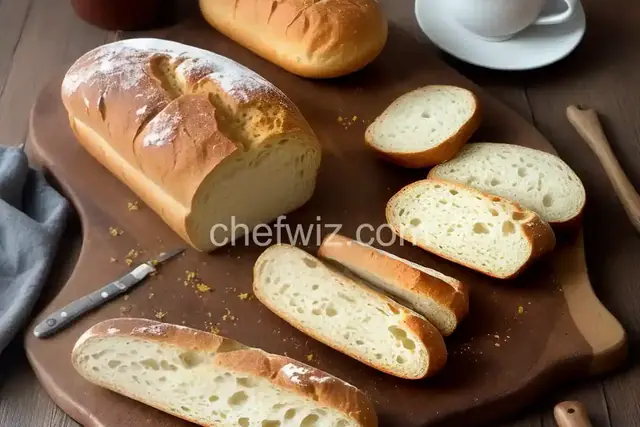
There are a few distinctive features that make classic French bread stand out. First and foremost is its crust. The crust of a baguette is golden brown, thin, and delightfully crisp. It crackles when you bite into it, adding a satisfying texture to each mouthful.
The interior of French bread is equally important. It has a soft and chewy crumb with irregular air pockets, giving it a light and airy texture. The combination of the crust and crumb creates a harmonious balance of flavors and textures.
One of the secrets behind the exceptional taste and texture of French bread is the time it takes to make it. Traditional baguettes undergo a slow fermentation process, allowing the dough to develop deep flavors and a complex aroma. This slow process also enhances the bread's shelf life, keeping it fresh for longer.
French bakers take pride in their craft, dedicating hours of work to ensure each loaf is a masterpiece. The shaping and scoring of the dough are done with precision and care, resulting in the iconic shape and pattern on the crust.
Classic French bread is incredibly versatile and can be enjoyed in various ways. It is perfect for creating sandwiches, whether you prefer a simple ham and cheese or a gourmet combination of flavors. The crust holds up well to fillings, adding a delightful crunch to every bite.
French bread also pairs wonderfully with cheese and charcuterie. The combination of the crusty bread, creamy cheese, and savory meats creates a symphony of flavors that excite the taste buds.
If you're feeling adventurous, why not try baking your own French bread at home? While it may seem daunting at first, the rewards are well worth the effort. The process allows you to fully appreciate the artistry and skill that goes into creating this culinary masterpiece.
From mixing the dough to shaping and scoring, each step requires precision and patience. As the bread bakes, your kitchen will be filled with the irresistible aroma of freshly baked bread, reminiscent of a Parisian bakery.
French bread refers to any type of bread made in France, while a baguette specifically refers to the long, slender loaf with a crispy crust and soft interior.
Yes, you can freeze French bread. Slice it before freezing to make it easier to thaw and use as needed.
French bread is best enjoyed on the day it is baked. However, if stored properly, it can stay fresh for up to two days.
The best way to store French bread is to wrap it in a clean kitchen towel or paper bag, which helps maintain its texture and prevent it from becoming stale.
Absolutely! French bread is perfect for making croutons. Simply cube the bread, toss it with olive oil and seasonings, then bake until crispy.
No, French bread is not gluten-free as it is made from wheat flour. However, there are gluten-free alternatives available for those with dietary restrictions.
The best time to buy French bread is in the morning when it is freshly baked and still warm from the oven.
Yes, French bread can be used in a variety of desserts. Bread pudding and French toast are classic examples of sweet treats made with French bread.
In conclusion, classic French bread is a culinary delight that embodies the artistry and craftsmanship of French bakers. Its crispy crust, tender crumb, and timeless flavors make it a beloved staple in French cuisine. Whether enjoyed on its own, as part of a sandwich, or paired with cheese and charcuterie, French bread never fails to transport your taste buds to the heart of France.
AprilCook, recipe developer and the heart of Chefwiz. More about April