City Ceviche
Rate this recipeBe the first to rate
 By AprilPublished
 When it comes to culinary delights, few dishes can rival the explosion of flavors that ceviche brings to the table.
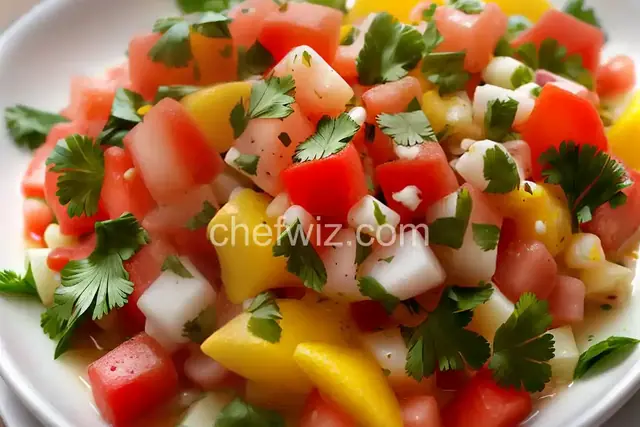 By AprilPublished
 When it comes to culinary delights, few dishes can rival the explosion of flavors that ceviche brings to the table.
If necessary, remove the tough side muscles from scallops and slice them in half horizontally.
In a 1-quart saucepan, fill 3/4 of it with salted water and bring it to a boil.
Add the scallops to the boiling water and reduce the heat to a simmer. Poach the scallops for about 1 minute, until they are just cooked through.
Use a slotted spoon to transfer the scallops to a bowl of ice water to stop the cooking process.
Bring the water back to a boil and poach the shrimp in the same manner. Once the shrimp turn opaque inside and pink, which takes about 2 to 3 minutes, transfer them to a bowl of ice water.
Drain the scallops and shrimp well and pat them dry. Place them in a glass or ceramic bowl.
Pour lime juice and orange juice over the seafood in the bowl. Cover the bowl and refrigerate it for 30 minutes.
After 30 minutes, pour off most of the juice from the seafood, leaving it slightly moist. Add orange zest, red onion, red and yellow bell peppers, tomato, chile pepper, cilantro, salt, cumin, and cayenne pepper to the bowl. Mix everything well.
Refrigerate the mixture for an additional 30 minutes.
Just before serving, gently mix in the avocado and drizzle the ceviche with
When it comes to culinary delights, few dishes can rival the explosion of flavors that ceviche brings to the table. A staple of many coastal regions, this refreshing dish is a testament to the creativity and resourcefulness of the people who call these places home. Join me on a journey through the vibrant world of city ceviche, where every bite tells a story.
Just like a city, ceviche is a melting pot of flavors and influences. Its roots can be traced back centuries to pre-Columbian times, where indigenous people used the natural acidity of citrus fruits to marinate their fish. Over time, as different cultures settled in coastal areas, these traditional methods were enhanced with new ingredients and techniques.
Today, city ceviche represents a fusion of cultures, blending indigenous traditions with Spanish, African, and Asian influences. It's a celebration of the diversity that shapes our world and the culinary heritage that has been passed down through generations.
Imagine taking a stroll through a bustling city street on a hot summer day. The sun is shining, and the air is filled with the tantalizing aromas of street food. Suddenly, you spot a vibrant cevicheria, beckoning you with its colorful display of ingredients.
As you take your first bite, the flavors explode in your mouth like fireworks. The tangy citrus juices mingle with the delicate sweetness of fresh seafood, while the crunch of onions and the heat of chili peppers add depth and complexity. It's a symphony of tastes that leaves you craving for more.
Just like a cityscape, ceviche is a tapestry of textures that captivate your senses. The tender flesh of the fish is contrasted with the crispness of vegetables, creating a delightful harmony with every bite. It's a culinary dance that keeps you on your toes, exploring the different dimensions of flavor and texture.
Whether it's the creaminess of avocado, the juiciness of tomatoes, or the crunch of corn, each ingredient adds its own unique touch to the dish. It's a testament to the creativity and ingenuity of the people who have perfected the art of ceviche over generations.
City ceviche is an embodiment of the vibrant cultures that have shaped our world. It's a celebration of diversity and a testament to the power of culinary creativity. From its humble origins to the bustling streets of cosmopolitan cities, ceviche has become a beloved dish that transcends borders and brings people together.
So, the next time you find yourself in a city that offers this culinary gem, don't hesitate to embark on a gastronomic adventure. Let the flavors of city ceviche take you on a journey through the rich tapestry of cultures and traditions that make our world so beautifully diverse.
In coastal cities, fresh and local fish are often used in ceviche. Common choices include sea bass, snapper, and shrimp.
Traditionally, ceviche is made with raw fish that is "cooked" in the citrus marinade. However, some variations do use cooked fish for those who prefer a milder taste.
The level of spiciness in ceviche can vary depending on personal preference. Typically, chili peppers are added to give it a kick, but you can adjust the amount of spice to suit your taste.
Common garnishes for ceviche include cilantro, red onions, avocado, and crispy plantain chips. These additions add an extra layer of flavor and texture to the dish.
Ceviche is best enjoyed fresh, as the acid in the marinade continues to "cook" the fish over time. It is not recommended to make it too far in advance.
Absolutely! Vegetarian ceviche substitutes fish with ingredients like mushrooms, hearts of palm, or even fruit like mango or papaya. It's a delicious alternative for those who don't consume seafood.
Ceviche is typically served in a bowl or on a plate, accompanied by crispy tortilla chips or toasted bread. It can be enjoyed as an appetizer or as a light and refreshing main course.
Absolutely! Ceviche is a versatile dish that welcomes experimentation. You can add your own twist by incorporating ingredients like mango, coconut milk, or even exotic spices. Let your creativity run wild!
AprilCook, recipe developer and the heart of Chefwiz. More about April