Ciabatta
Rate this recipeBe the first to rate
 By AprilPublished
 Have you ever had a bite of warm, crusty bread that just melts in your mouth?
 By AprilPublished
 Have you ever had a bite of warm, crusty bread that just melts in your mouth?
Prepare the sponge: In a small bowl, mix warm water and yeast together. Let it sit for 5 minutes or until it becomes creamy.
In a large bowl, combine bread flour and warm water. Stir in the yeast mixture for 4 minutes. Cover the bowl with plastic wrap and let the sponge stand at room temperature for at least 12 hours or up to 1 day.
Make the bread: In a small bowl, combine warm milk and yeast. Let it sit for 5 minutes or until creamy.
Transfer the milk-yeast mixture to the bowl of a stand mixer fitted with a dough hook. Add the sponge, bread flour, warm water, and oil. Mix until the flour is just moistened. Add salt and continue mixing until the dough is smooth and elastic, about 8 minutes.
Scrape the dough into an oiled bowl and cover it with plastic wrap. Allow the dough to rise at room temperature until it doubles in size, which should take about 1 1/2 hours. The dough will be sticky and have air bubbles.
Turn the dough out onto a well-floured work surface and cut it in half. Transfer each half to a parchment sheet and shape it into an irregular oval, about 9 inches long. Use floured fingers to make dimples on the loaves and dust the tops with flour.
Cover the loaves with a damp kitchen towel and let them
Have you ever had a bite of warm, crusty bread that just melts in your mouth? The kind that makes you close your eyes and savor each flavor-packed morsel? That's ciabatta, the irresistible Italian bread that has captured the hearts and taste buds of bread lovers around the world. In this article, we'll dive into the fascinating world of ciabatta and explore why it's considered one of the best breads out there.
Like many culinary creations, ciabatta has an interesting origin story. Legend has it that the bread was first developed in the 1980s by an Italian baker who wanted to create a bread that resembled the slipper worn by a local noblewoman. Hence, the name "ciabatta," which means slipper in Italian. Its distinct shape and porous texture make it instantly recognizable.
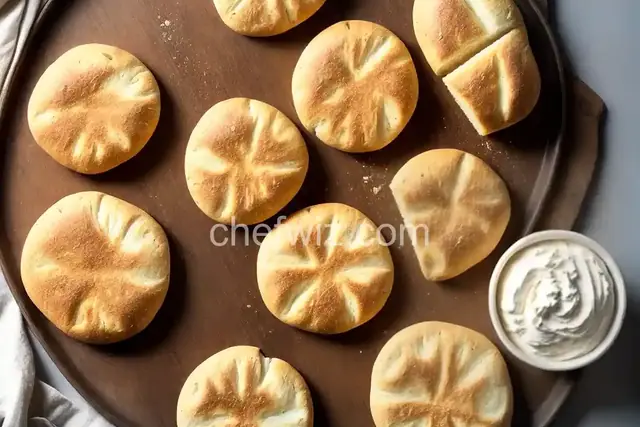
When you take your first bite of ciabatta, you'll notice its light and airy interior, with a chewy texture that's simply delightful. The crust, on the other hand, is golden and crispy, providing a satisfying contrast. The combination of flavors and textures is what sets ciabatta apart from other breads.
Whether you enjoy it plain, toasted, or dipped in olive oil, ciabatta adds a touch of indulgence to any meal. Its versatility makes it a perfect choice for sandwiches, bruschetta, or simply as a side to your favorite pasta dish. It's no wonder that ciabatta has become a staple in Italian cuisine.
So, what makes ciabatta so delicious? The secret lies in its unique dough composition. Unlike traditional bread, ciabatta dough is made with a higher hydration level, which means it has more water compared to flour. This high hydration results in a dough that's more sticky and wet, creating those characteristic air pockets and chewy texture.
Additionally, ciabatta dough is typically fermented for a longer period, allowing the flavors to develop and deepen. This slow fermentation process gives ciabatta its distinct taste and aroma, making it truly irresistible.
While you can easily find ciabatta at your local bakery or grocery store, there's something special about baking your own. The process may seem intimidating at first, but with a little practice, you'll be able to enjoy homemade ciabatta whenever you want.
Start by mixing together flour, water, yeast, and salt to create the dough. Knead the dough until it becomes elastic and smooth. Then, let it rise for a few hours until it doubles in size. Once the dough has risen, shape it into the classic ciabatta slipper shape and let it rest for a while.
When it's time to bake, preheat your oven and place a baking stone or sheet inside to heat up. Then, transfer the dough onto the hot stone or sheet and bake until it's golden brown and crusty. The aroma that fills your kitchen will be absolutely heavenly!
Yes, you can freeze ciabatta. To freeze it, make sure it has cooled completely, then wrap it tightly in plastic wrap or place it in an airtight container. When you're ready to enjoy it, simply thaw it at room temperature and warm it up in the oven for a few minutes.
Ciabatta is best enjoyed fresh on the day it's baked. However, if you have leftovers, you can store them in a paper bag or bread box for up to two days. Just keep in mind that the crust may soften over time.
Absolutely! Ciabatta's sturdy crust and chewy interior make it an excellent choice for sandwiches. Whether you're making a classic Italian panini or a gourmet deli sandwich, ciabatta will add an extra layer of flavor and texture.
Ciabatta can be enjoyed in various ways. You can serve it alongside a bowl of soup, slice it and toast it for bruschetta, or use it as a base for crostini. The possibilities are endless!
Yes, it is possible to make gluten-free ciabatta by using a combination of gluten-free flours and xanthan gum. However, keep in mind that the texture and taste may vary compared to traditional ciabatta.
Yes, ciabatta is typically vegan-friendly as it does not contain any animal products. However, it's always a good idea to check the ingredients or ask your baker to ensure there are no non-vegan additives.
Absolutely! Adding herbs like rosemary or thyme can enhance the flavor of your ciabatta. You can also experiment with adding cheese, such as Parmesan or Gruyère, for a savory twist.
To achieve a crispy crust, you can spritz the dough with water before placing it in the oven. This will create steam, which helps develop a crusty exterior. Additionally, baking the ciabatta at a high temperature will also contribute to a crispy crust.
In conclusion, ciabatta is a bread that has captured the hearts and taste buds of bread lovers worldwide. Its light and airy interior, crispy crust, and unique flavor make it an irresistible choice for any meal. Whether you choose to bake your own or purchase it from a bakery, ciabatta will always add a touch of indulgence to your dining experience. So why not treat yourself to a slice of this Italian masterpiece today?
AprilCook, recipe developer and the heart of Chefwiz. More about April