Choreg (Armenian Easter Bread) Recipe
Rate this recipeBe the first to rate
 By AprilPublished
 Armenian Easter is a time of celebration, family, and delicious food.
 By AprilPublished
 Armenian Easter is a time of celebration, family, and delicious food.
In a 2-quart stainless steel saucier or 10-inch skillet, combine 80 grams of milk and flour. Whisk together until a thick, mashed potato-like paste forms, about 2 minutes. Remove from heat and transfer the mixture to a stand mixer bowl using a rubber spatula. Set aside.
Add milk, eggs, and sugar to the flour paste and whisk vigorously until well combined. Add flour, yeast, nigella, and mahlab. Place the bowl onto the stand mixer and, using a dough hook, mix on low speed until all the ingredients are just combined and there are no dry flour patches, about 2 to 4 minutes. Cover the bowl and set aside for 30 minutes.
Add salt to the dough and mix on low speed until the salt is fully incorporated, about 1 minute. Increase the speed to medium and add butter. Mix until the butter is fully incorporated into the dough and the dough starts to clear the sides of the bowl. This will take about 12 to 15 minutes. The dough will still be sticky and attached to the bottom of the bowl.
Transfer the dough to a medium bowl that has been lightly oiled. Cover the bowl loosely with plastic wrap and let it sit at a warm room temperature (75°F/24°C) for 45 minutes.
Using lightly moistened hands, fold the dough over itself by gently lifting and folding the edge of the dough towards
Armenian Easter is a time of celebration, family, and delicious food. One of the most beloved traditions during this holiday is the baking of choreg, a sweet and aromatic bread that has been passed down through generations. In this article, we will explore the history and significance of choreg, as well as why it holds a special place in the hearts and stomachs of Armenians around the world.
Choreg is deeply rooted in Armenian culture and has been a staple of Easter celebrations for centuries. It is believed to have originated in the Armenian Kingdom of Cilicia, a medieval state that encompassed parts of modern-day Turkey and Lebanon. The bread itself is a symbol of abundance, fertility, and new beginnings, making it the perfect addition to Easter festivities.
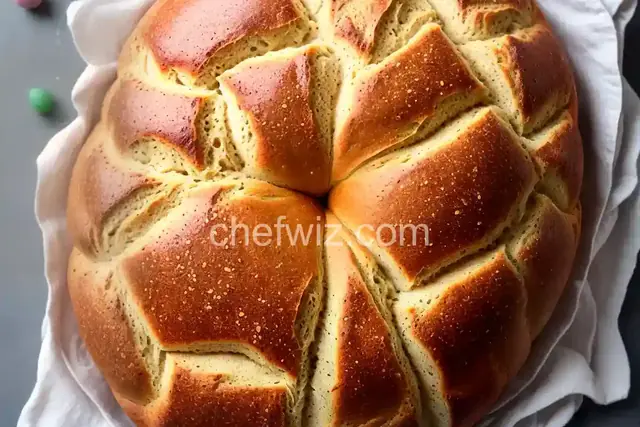
Making choreg is no small feat. It requires time, patience, and a whole lot of love. The dough is made with a combination of flour, yeast, sugar, eggs, and butter, resulting in a soft and slightly sweet bread. But what truly sets choreg apart is the addition of aromatic spices such as mahlab and ground cardamom. These spices give the bread its distinct flavor and fragrance, making it irresistible to anyone who catches a whiff.
Choreg is not just delicious; it is also steeped in symbolism. The bread is typically shaped into intricate braids or knots, representing the Holy Trinity in Christian beliefs. Each braid is a reminder of the Father, Son, and Holy Spirit, intertwined and inseparable. This symbolism adds an extra layer of meaning to the act of breaking bread and sharing it with loved ones during Easter.
The making of choreg is a family affair, often involving multiple generations. Grandmothers pass down their cherished recipes and techniques to their children and grandchildren, ensuring that this beloved tradition lives on. The process of making choreg is not only a time to bond and connect with loved ones, but it also serves as a way to preserve Armenian culture and heritage.
While choreg is deeply rooted in Armenian culture, it has found its way into the hearts and kitchens of people around the world. Armenian communities in the United States, France, Russia, and other countries continue to bake choreg as a way to stay connected to their roots. In fact, choreg has become so popular that it is now enjoyed by people of all backgrounds, who appreciate its unique taste and the beautiful tradition it represents.
Choreg is more than just a bread; it is a symbol of family, tradition, and love. Its rich history and significance make it a cherished part of Armenian Easter celebrations. Whether you are Armenian or not, baking choreg can be a wonderful way to honor and embrace the beauty of different cultures, all while indulging in a delicious treat. So why not give it a try this Easter?
Choreg is a symbol of abundance, fertility, and new beginnings, making it an essential part of Armenian Easter celebrations.
Choreg is flavored with aromatic spices such as mahlab and ground cardamom, which give it its distinct taste and fragrance.
Choreg is traditionally shaped into intricate braids or knots, symbolizing the Holy Trinity in Christian beliefs.
While making choreg requires time and patience, it is a labor of love that can be enjoyed by anyone willing to put in the effort.
Yes, choreg has gained popularity worldwide and can be found in Armenian communities and specialty bakeries in various countries.
While the spices contribute to the unique flavor of choreg, you can adjust the recipe to your preference or dietary needs.
Yes, choreg can be frozen and enjoyed at a later time. Simply wrap it tightly in plastic wrap and place it in the freezer.
While choreg is traditionally associated with Easter, many people enjoy it throughout the year as a special treat.
AprilCook, recipe developer and the heart of Chefwiz. More about April