Chewy Bread
Rate this recipeBe the first to rate
 By AprilPublished
 Do you love sinking your teeth into a deliciously chewy piece of bread?
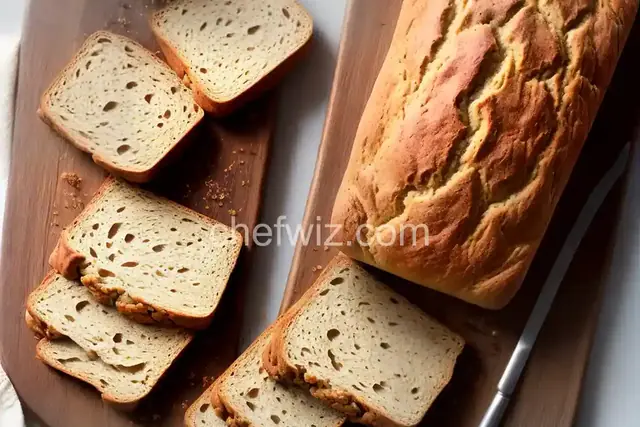 By AprilPublished
 Do you love sinking your teeth into a deliciously chewy piece of bread?
Preheat the oven to 350�F.
Combine the butter and brown sugar together.
Gradually add the eggs one at a time, and then incorporate the pecans.
Slowly add the flour and mix until well combined.
Spread the mixture evenly in a floured 9 x 13 pan.
Bake at 350�F for approximately 25 to 30 minutes.
Do you love sinking your teeth into a deliciously chewy piece of bread? The kind that has a satisfying resistance when you bite into it, followed by a burst of flavor that lingers on your taste buds? If so, then you're in for a treat! In this article, we'll explore the world of chewy bread and why it has become a beloved staple in many cuisines around the globe.
Baking chewy bread is like a delicate dance between the baker and the dough. It requires skill, patience, and a deep understanding of the ingredients and the baking process. The secret lies in the gluten development. Gluten is a protein that gives bread its structure and chewiness. By carefully kneading the dough and allowing it to rise, bakers create an environment where gluten can form and develop, resulting in that desirable chewy texture.
But it's not just about the gluten. The choice of flour also plays a crucial role in determining the chewiness of the bread. Bread flour, with its higher protein content, is often preferred for making chewy bread. The extra protein helps create a stronger gluten network, leading to a chewier end product.
Chewy bread is not limited to a specific cuisine or region. It has become a beloved staple in many cultures around the world. In Italy, you have the iconic ciabatta bread, with its chewy interior and crisp crust. Over in France, the baguette reigns supreme, delighting bread enthusiasts with its chewy crumb and crackly crust.
Asia is no stranger to chewy bread either. In Japan, you'll find shokupan, a soft and fluffy bread with a delightfully chewy texture. And let's not forget about the famous Chinese baozi, with its chewy dough wrapped around succulent fillings.
Chewy bread is not just about the texture; it's also about the flavor. When you bite into a piece of chewy bread, the denser crumb allows the flavors to unfold gradually, giving you a more intense and satisfying taste experience. Whether it's a simple sandwich or a gourmet creation, the chewiness of the bread enhances the overall enjoyment of the dish.
Now that you know all about the wonders of chewy bread, how can you enjoy it to the fullest? The possibilities are endless! You can use it as a base for your favorite sandwiches, creating a delightful contrast between the soft fillings and the chewy bread. You can also slice it, toast it, and slather it with butter or your favorite spread for a simple yet satisfying snack.
And let's not forget about dipping! Chewy bread is perfect for soaking up rich sauces, soups, and stews. Imagine biting into a piece of crusty baguette and savoring the flavors of a hearty boeuf bourguignon or a tangy tomato soup. The chewiness of the bread adds another layer of pleasure to the dining experience.
Chewy bread is a testament to the art and science of baking. Its unique texture and flavor have made it a beloved favorite in countless cuisines around the world. Whether you're enjoying a freshly baked baguette in France or savoring a fluffy shokupan in Japan, chewy bread never fails to deliver a delightful sensory experience. So next time you take a bite of that chewy goodness, appreciate the craftsmanship and passion that went into creating it.
The chewiness of bread is primarily determined by gluten development. The more gluten formed, the chewier the bread will be.
Absolutely! With the right ingredients, techniques, and a little practice, you can bake deliciously chewy bread in your own kitchen.
Bread flour, with its higher protein content, is typically preferred for making chewy bread. The extra protein helps create a stronger gluten network.
Kneading the dough for around 10-15 minutes will help develop the gluten and create that desired chewy texture.
It can be challenging to achieve the same level of chewiness with gluten-free bread due to the absence of gluten. However, there are gluten-free flours and additives available that can help improve the texture.
Some popular chewy bread recipes include ciabatta, baguettes, pretzels, and baozi. These recipes showcase the versatility and deliciousness of chewy bread.
To keep chewy bread fresh and maintain its texture, store it in a paper bag or wrap it in a clean kitchen towel. Avoid storing it in a plastic bag, as it can make the bread soft and soggy.
Yes, you can freeze chewy bread. Wrap it tightly in plastic wrap or place it in a freezer bag before freezing. When you're ready to enjoy it, simply thaw it at room temperature or reheat it in the oven for a few minutes to regain its chewiness.
AprilCook, recipe developer and the heart of Chefwiz. More about April