Cast-Iron Roast Chicken with Caramelized Leeks
Rate this recipeBe the first to rate
 By AprilPublished
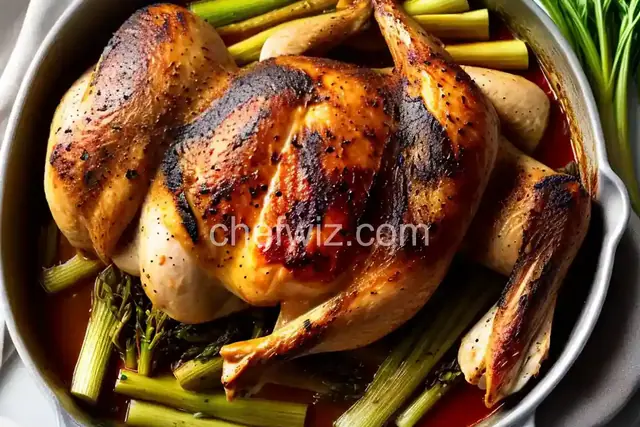
 Picture this: a perfectly roasted chicken with crispy skin and tender, juicy meat.
 By AprilPublished
 Picture this: a perfectly roasted chicken with crispy skin and tender, juicy meat.
Dry the chicken with paper towels and sprinkle salt inside and outside. Use 1 tsp. Diamond Crystal or ½ tsp. Morton kosher salt per lb.
Tie the legs of the chicken together using kitchen twine.
Let the chicken sit for 1 hour to allow the salt to penetrate or refrigerate uncovered for up to 1 day.
Place a rack in the upper third of the oven and place a 12 cast-iron skillet or 3-qt. enameled cast-iron baking dish on the rack. Preheat the oven to 425°.
In a medium bowl, toss the leeks with 2 Tbsp. oil to coat. Season with salt and pepper.
Once the oven reaches the desired temperature, dry the chicken with paper towels again and lightly coat it with half of the remaining oil. If desired, sprinkle with dry rub.
Drizzle the remaining oil into the hot skillet to prevent sticking and tearing of the chicken skin.
Place the chicken in the center of the skillet and arrange the leeks around it.
Roast in the oven for 50-60 minutes, or until the leeks are browned at the edges and tender. Use an instant-read thermometer to check the temperature of the thickest part of the breasts, which should register 155°. The temperature will rise to 165° as the chicken rests.
Let the chicken
Picture this: a perfectly roasted chicken with crispy skin and tender, juicy meat. The kind of chicken that makes your mouth water just by thinking about it. Now, imagine achieving that using a simple cast-iron skillet. Sounds enticing, doesn't it? Well, it's not just a dream. With a cast-iron skillet, you can achieve that delicious roast chicken you've been craving.
Cast-iron skillets have been around for centuries, and there's a reason for their enduring popularity. The secret lies in their ability to distribute and retain heat evenly. Unlike other materials, cast-iron heats up slowly and stays hot for a long time. This means that your roast chicken will cook evenly, with no hot spots or cold spots. Plus, the high heat retention of cast-iron ensures that your chicken stays warm even after it's out of the oven.
Now, let's talk about caramelized leeks. Leeks are a wonderful vegetable with a mild, onion-like flavor. When cooked slowly in a cast-iron skillet, they become soft, sweet, and slightly charred. The caramelization process brings out the natural sweetness of the leeks, creating a perfect complement to the savory roast chicken. The combination of tender chicken and caramelized leeks is a match made in culinary heaven.
Roasting a chicken in a cast-iron skillet is surprisingly straightforward. Start by preheating your oven to the desired temperature. While the oven is heating up, season your chicken with your favorite herbs and spices. Then, heat some oil in your cast-iron skillet over medium-high heat. Once the oil is hot, place the chicken in the skillet, breast-side down. Let it cook for a few minutes until the skin is golden brown. Flip the chicken over and transfer the skillet to the preheated oven. Roast until the chicken reaches the desired internal temperature. Remember to let it rest for a few minutes before carving to allow the juices to redistribute.
Roasting a chicken in a cast-iron skillet is a culinary adventure worth embarking on. The even heat distribution and heat retention of the skillet ensure a perfectly cooked chicken every time. And when you pair it with caramelized leeks, the flavor combination is simply irresistible. So, next time you're craving roast chicken, grab your trusty cast-iron skillet and get ready to indulge in a mouthwatering meal.
Yes, you can use a different type of skillet to roast chicken. However, a cast-iron skillet is preferred because of its heat retention and even heat distribution.
Absolutely! While caramelized leeks are a fantastic complement to roast chicken, you can experiment with other vegetables like carrots, potatoes, or Brussels sprouts.
To prevent sticking, make sure your cast-iron skillet is well-seasoned before cooking. You can also preheat the skillet and add a thin layer of oil before placing the chicken.
Yes, you can use boneless chicken for this recipe. Just adjust the cooking time accordingly, as boneless chicken tends to cook faster than bone-in chicken.
The best way to know if the chicken is fully cooked is to use a meat thermometer. Insert it into the thickest part of the chicken, and it should register at least 165°F (74°C).
It's best to use thawed chicken for this recipe to ensure even cooking. If you're using frozen chicken, make sure to thaw it completely before roasting.
While a lid is not necessary, you can use it if you prefer. Using a lid will help trap the moisture and create a more steamed effect on the chicken.
Absolutely! Feel free to experiment with different herbs, spices, or marinades to add your own personal touch to the roast chicken.
AprilCook, recipe developer and the heart of Chefwiz. More about April