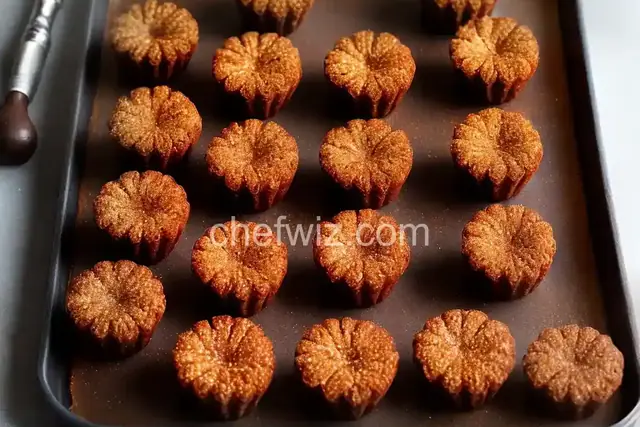
Have you ever tasted a Canelé de Bordeaux? These delightful French pastries, with their caramelized crusts and soft custard centers, are a true delight for the senses. In this article, we will explore the history of Canelés, how they are made, and where you can find them.
The Origins of Canelés de Bordeaux
The story of Canelés de Bordeaux dates back to the 18th century in the Bordeaux region of France. Legend has it that these pastries were created by nuns who used egg yolks leftover from winemaking to make a delicious treat. Over time, Canelés became popular among the locals and gained a reputation as a specialty of Bordeaux.
The Making of Canelés
Creating the perfect Canelé requires skill and precision. The batter is made with ingredients such as flour, sugar, milk, vanilla, and rum. The mixture is then left to rest overnight to develop its unique flavor. The next day, the batter is poured into special copper molds that are coated with beeswax and butter. The molds are then placed in a hot oven, where the magic happens. The high heat caramelizes the sugar and creates a crisp, caramelized crust on the outside, while the inside remains soft and custardy.
Where to Find Canelés
If you're lucky enough to visit Bordeaux, you'll find Canelés in almost every pastry shop in the city. These sweet treats are a staple of the region and are highly sought after by locals and tourists alike. However, you don't have to travel to Bordeaux to enjoy Canelés. Many patisseries around the world have started offering these delectable pastries, so keep an eye out for them in your city.
In Conclusion
Canelés de Bordeaux are more than just pastries; they are a culinary experience. From their humble origins to their exquisite flavors, Canelés have captured the hearts and taste buds of people around the world. Whether you enjoy them in Bordeaux or in your own kitchen, these little treats are sure to leave you craving for more.
Frequently asked questions
- What do Canelés taste like?
Canelés have a unique flavor that is often described as a combination of caramel, vanilla, and rum. The outside is crispy and caramelized, while the inside is soft and custardy.
- Can I make Canelés at home?
While making Canelés can be a bit challenging, it is definitely possible to make them at home. There are many recipes and tutorials available online that can guide you through the process.
- Are Canelés gluten-free?
Traditional Canelés are not gluten-free as they are made with flour. However, there are gluten-free versions available that use alternative flours.
- How long do Canelés stay fresh?
Canelés are best enjoyed fresh, preferably on the day they are made. However, if stored properly in an airtight container, they can still be enjoyed for up to 2-3 days.
- Can I freeze Canelés?
Yes, you can freeze Canelés. It is recommended to freeze them as soon as they cool down after baking. When you're ready to enjoy them, simply thaw them at room temperature or reheat them in a low-temperature oven.
- Are Canelés high in calories?
Canelés are a rich and indulgent treat, so they do contain calories. The exact calorie count will depend on the size and ingredients used. It's best to enjoy them in moderation as part of a balanced diet.
- Can I customize the flavors of Canelés?
Absolutely! While the traditional Canelés are flavored with vanilla and rum, you can experiment with different flavors such as chocolate, coffee, or even fruit-infused varieties.
- Do Canelés have any cultural significance?
Yes, Canelés are deeply rooted in the culture and history of Bordeaux. They have become a symbol of the region and are often associated with celebrations and special occasions.
 By AprilPublished