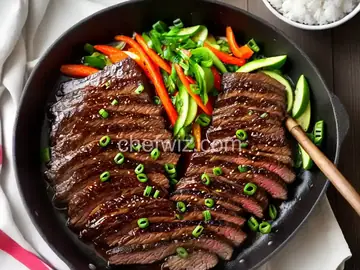
Bulgogi (Korean Barbecued Beef)
Rate this recipeBe the first to rate
 By AprilPublished
 Have you ever craved a dish that is both savory and sweet, tender and juicy?
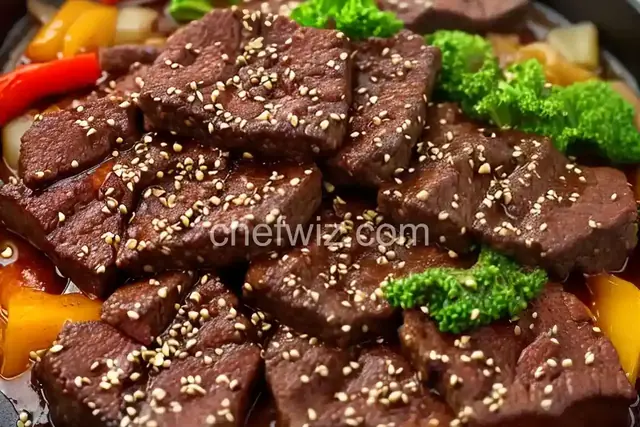 By AprilPublished
 Have you ever craved a dish that is both savory and sweet, tender and juicy?
In a large resealable plastic bag, combine soy sauce, sesame oil, sesame seeds, garlic, sugar, salt, black pepper, and MSG.
Add beef, carrots, and onions to the bag, seal it, and shake well to ensure the vegetables and beef are coated with the sauce.
Refrigerate the bag for at least 2 1/2 hours, or preferably overnight to allow for marination.
Preheat an outdoor grill to high heat.
Remove the meat and vegetables from the marinade and place them on a large sheet of aluminum foil. Seal the foil.
Discard the marinade.
Place the foil packet on the grill.
Cook for 15 to 20 minutes, or until the meat reaches the desired level of doneness.
Have you ever craved a dish that is both savory and sweet, tender and juicy? Look no further than bulgogi, the mouthwatering Korean barbecued beef. With its tantalizing flavors and succulent texture, bulgogi is a culinary delight that is sure to satisfy your taste buds. In this article, we will dive into the world of bulgogi, exploring its origins, its unique cooking techniques, and the best ways to enjoy this delectable dish.
Like many traditional dishes, bulgogi has a rich history that stretches back centuries. The word "bulgogi" itself translates to "fire meat," reflecting the dish's cooking method over an open flame. Originating in Korea, bulgogi was traditionally prepared using thinly sliced beef marinated in a blend of soy sauce, sesame oil, garlic, and other seasonings.
Over time, bulgogi has evolved, with various adaptations and regional variations. Today, you can find different types of bulgogi, such as pork bulgogi (dwaeji bulgogi) and chicken bulgogi (dak bulgogi), each offering its own unique flavors and textures.
Cooking bulgogi is an art form that requires precision and skill. The key to a perfect bulgogi lies in the marinade. The marinade not only infuses the meat with flavor but also tenderizes it, resulting in a melt-in-your-mouth experience.
Traditionally, bulgogi is cooked on a grill, allowing the meat to caramelize and develop a delightful charred exterior. However, if you don't have access to a grill, fret not! You can also cook bulgogi in a skillet or even bake it in the oven.
The secret to a flavorful bulgogi lies in the marinade. A combination of soy sauce, sesame oil, garlic, ginger, sugar, and other seasonings creates a perfect balance of sweet and savory flavors. The longer you marinate the meat, the more intense the flavors will be.
Once the meat is marinated, it's time to cook it to perfection. Whether you're grilling, pan-frying, or baking, make sure to cook the meat over high heat to achieve that coveted caramelization and tenderness.
Bulgogi is a versatile dish that can be enjoyed in various ways. Here are a few popular ways to savor the flavors of bulgogi:
A classic way to enjoy bulgogi is by serving it over a bed of steamed rice. The combination of tender beef, flavorful marinade, and fluffy rice creates a satisfying and comforting meal.
For a fusion twist, why not try bulgogi tacos? Fill warm tortillas with bulgogi, and top with fresh cilantro, chopped onions, and a squeeze of lime. The result is a tantalizing blend of Korean and Mexican flavors.
If you're looking for a quick and easy meal, a bulgogi stir-fry is the way to go. Sauté your marinated bulgogi with an assortment of colorful vegetables for a nutritious and flavorful dish.
Bulgogi is a culinary masterpiece that combines the perfect balance of flavors and textures. Whether you're a meat lover or an adventurous foodie, bulgogi is a dish that is sure to please. So, gather your ingredients, fire up the grill (or stove), and treat yourself to a mouthwatering experience like no other.
The best cuts of beef for bulgogi are thinly sliced ribeye or sirloin. These cuts are tender and have the perfect amount of marbling, resulting in a juicy and flavorful bulgogi.
Yes, you can! Chicken bulgogi and pork bulgogi are equally delicious alternatives to beef. Just make sure to adjust the cooking times accordingly, as chicken and pork may require a bit more time to cook through.
While bulgogi traditionally consists of meat, you can still enjoy the flavors of bulgogi by substituting the meat with tofu or mushrooms. Marinate the tofu or mushrooms in the same bulgogi marinade and cook them as desired.
Yes, you can freeze marinated bulgogi for later use. Simply place the marinated meat in an airtight container or freezer bag and store it in the freezer. When ready to cook, thaw the meat in the refrigerator overnight before grilling or cooking.
Traditional Korean side dishes, known as banchan, complement bulgogi perfectly. Some popular banchan options include kimchi, pickled vegetables, steamed rice, and Korean-style potato salad.
Absolutely! While grilling adds a wonderful smoky flavor to bulgogi, you can also cook it in a skillet or bake it in the oven. The key is to cook the meat over high heat to achieve caramelization and tenderness.
For optimal flavor, marinate the meat for at least 2 hours. However, if you have more time, marinating it overnight will intensify the flavors even further.
Yes, you can adjust the sweetness of the bulgogi marinade to suit your taste. If you prefer a sweeter bulgogi, add a bit more sugar or honey. Conversely, if you prefer a less sweet marinade, reduce the amount of sugar or omit it altogether.
AprilCook, recipe developer and the heart of Chefwiz. More about April